
Last updated November 25, 2026
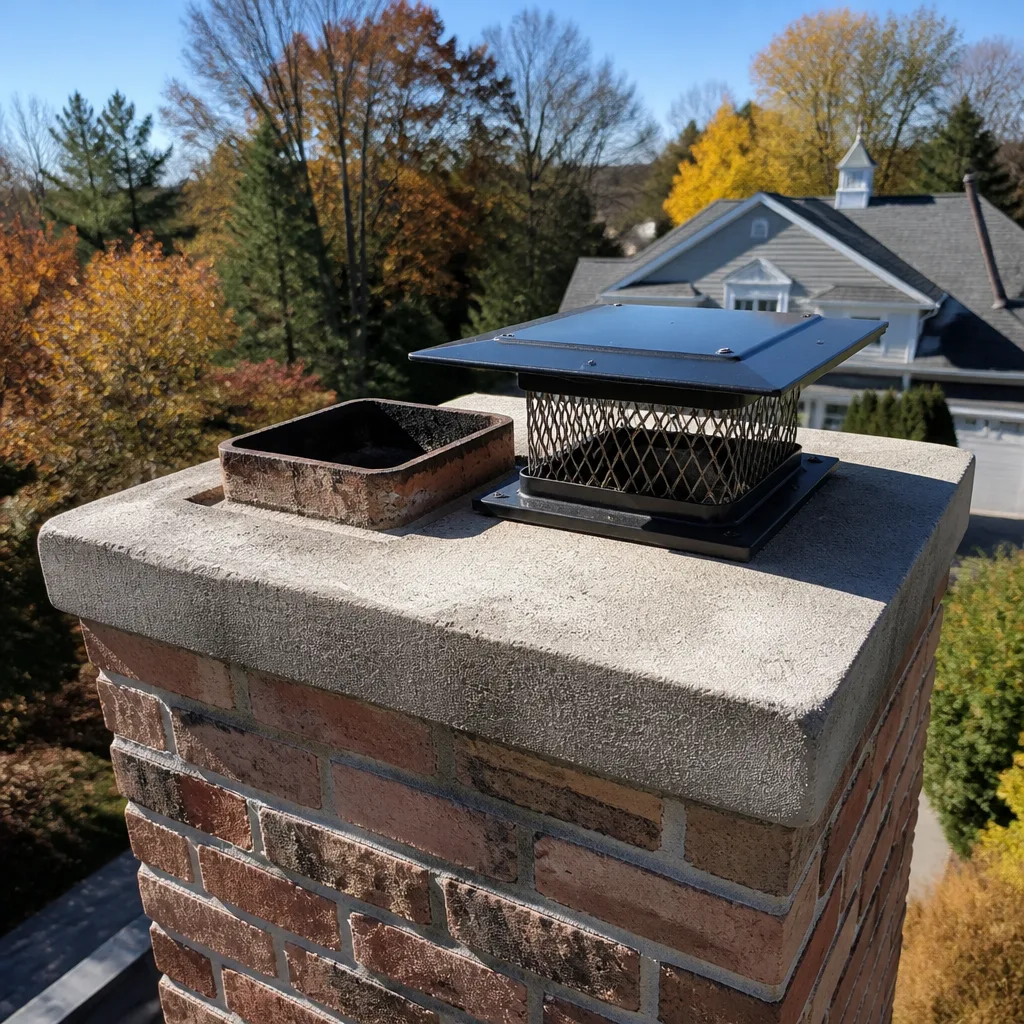 Sweep & inspection
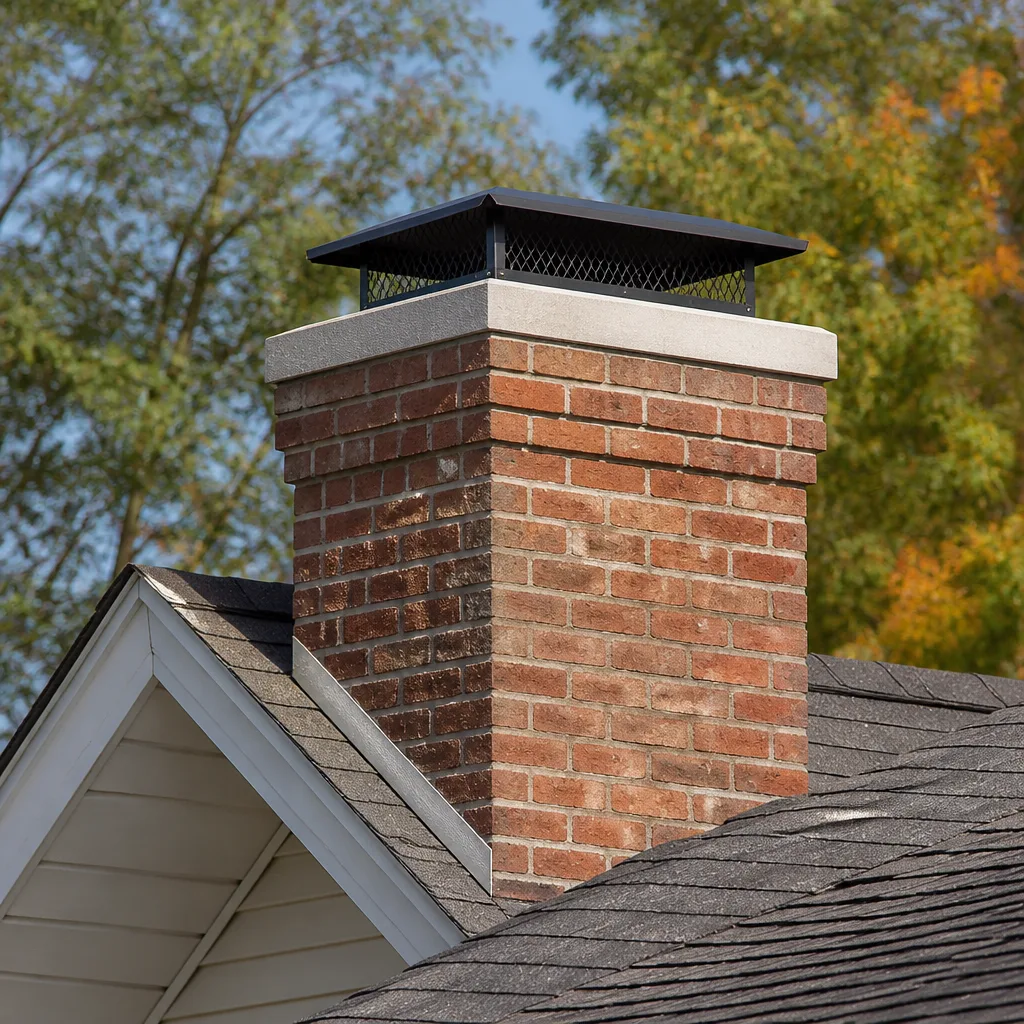 Caps & crowns
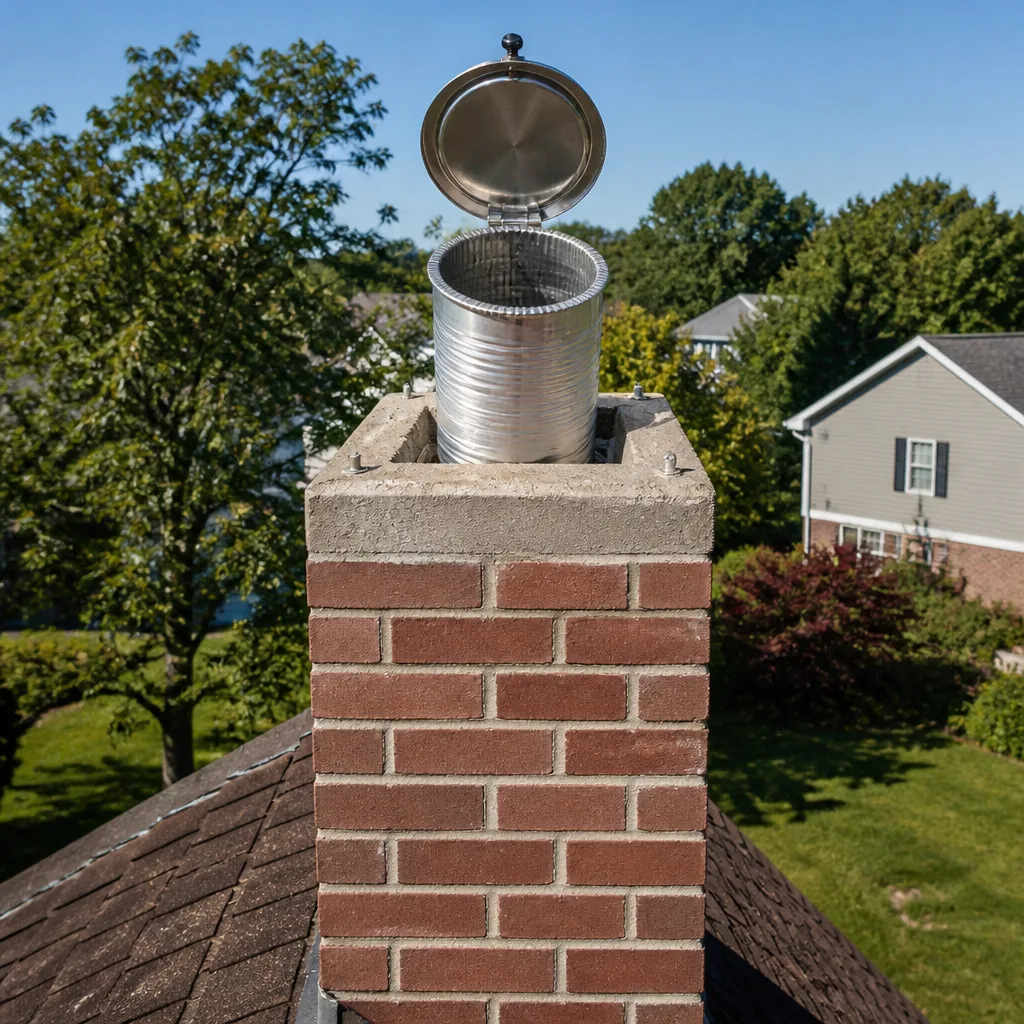 Flue relining
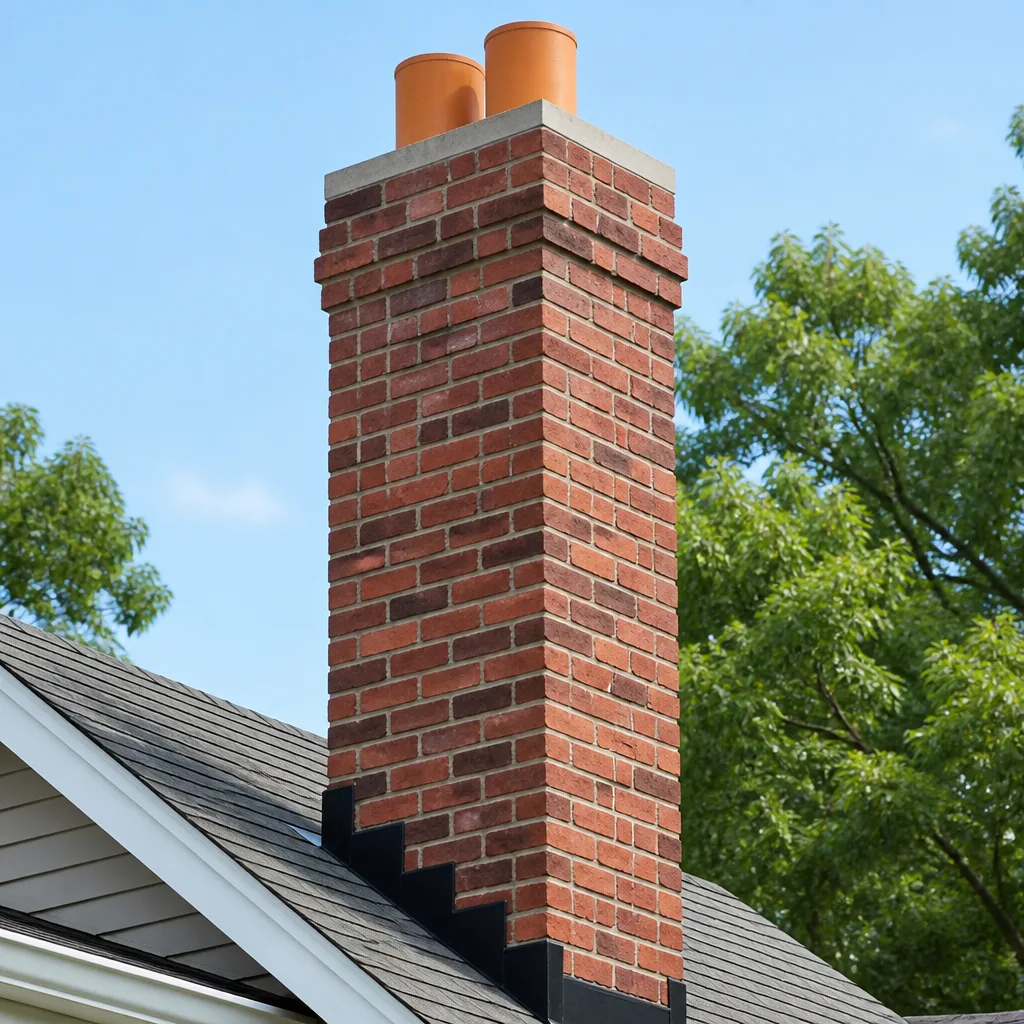 Masonry repair
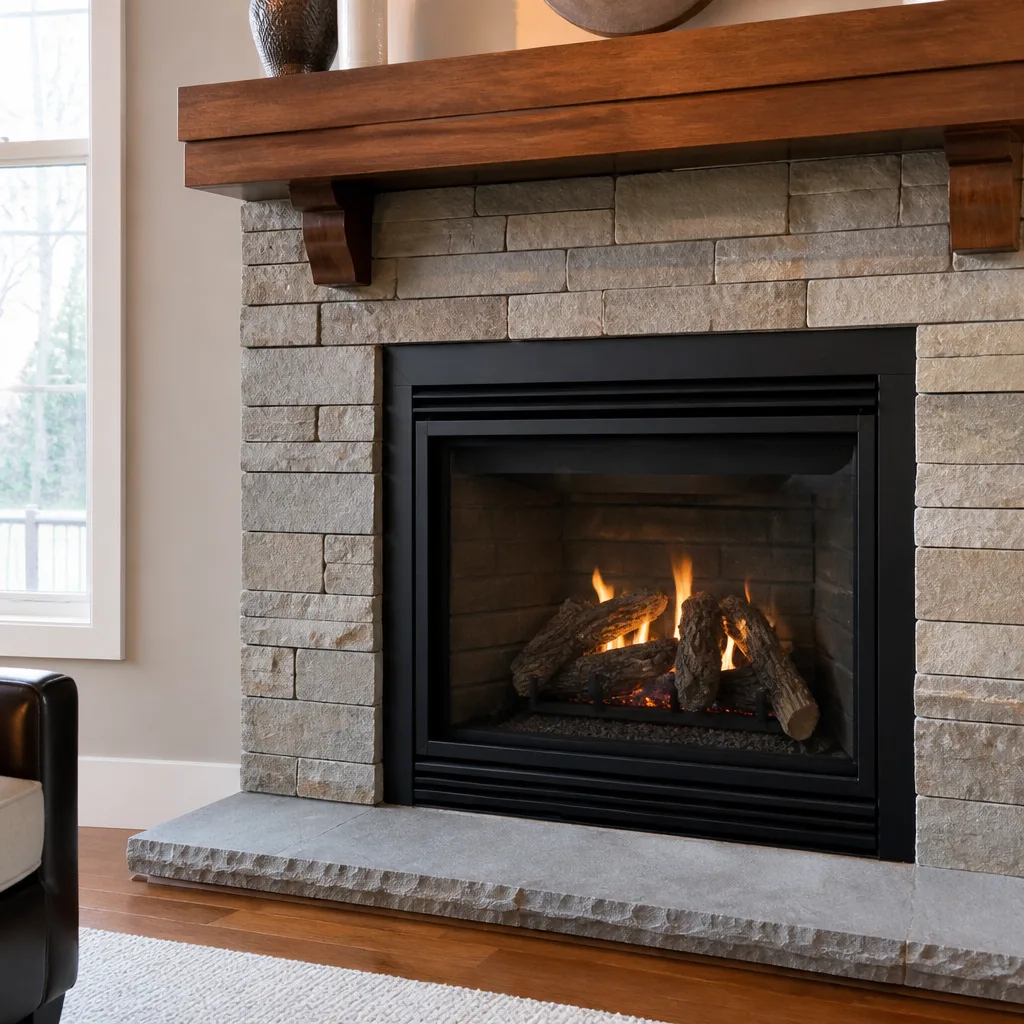 Gas fireplace service
Level 1 sweep and inspection to the NFPA 211 annual standard - flue, crown, cap, and flashing checked and photographed
Chimney sweep logs do not sweep chimneys. They loosen some creosote - which then falls where a brush and vacuum still have to collect it.
Seasonal Chimney Cleaning Care for Mission Viejo: Year-Round Homeowner’s Guide
In Mission Viejo, your chimney sustains more structural stress between May and September, when you’re not using it, than during the handful of cool nights you actually light a fire. That surprises most homeowners. The habit carried over from colder parts of the country is simple: sweep in fall, burn through winter, forget the chimney until next year. Here, the calendar works differently. Long dry heat, a short rainy stretch, and a compressed burning window mean the off-season is when the real wear happens. This guide walks through what each season does to a Mission Viejo chimney, when to schedule service so you beat the rush, and how to spot trouble without climbing onto the roof.
Quick Answer
For a Mission Viejo chimney, the best time to book a sweep and inspection is late summer, ideally August or September. That window comes after the summer heat stress that cracks crowns and seals, and before the holiday demand spike that fills every schedule in October and November. Spring matters too, mostly for checking that nesting animals haven’t moved into a dormant flue. And because Mission Viejo chimneys stay closed most of the year, damper discipline and a post-wind-event look at your cap are year-round habits, not seasonal chores.
Styles & brands we work with
- Sweep & inspection
- Caps & crowns
- Flue relining
- Masonry repair
- Gas fireplace service
Table of Contents
- Why Chimney Care Works Differently in Mission Viejo
- What Happens to Your Chimney Through the Four Seasons
- The Best Time of Year to Schedule Chimney Service in Mission Viejo
- Spring: Nesting Season Inside a Dormant Chimney
- Santa Ana Winds and Your Chimney Cap
- Year-Round Damper Management in a Mild Climate
- Swept Versus Safe: Why Inspection Stands Alone
- A Season-by-Season Homeowner Checklist
Why Chimney Care Works Differently in Mission Viejo
Chimney maintenance advice is usually written for places with long, cold winters and heavy snow. Mission Viejo isn’t that place. The city sits in a warm inland corner of south Orange County, where summers run hot and dry, the rainy season is short and concentrated, and the number of genuinely cold evenings is small. You might burn fires a few dozen times a year, or fewer. That changes the whole logic of chimney care.
In a cold climate, the burning season drives the maintenance calendar. Creosote builds up fast because the fire runs constantly, and the freeze of winter stresses masonry from the outside. Here, the burning season is short enough that creosote accumulation is slower for most households. The dominant force is heat and dryness acting on the parts of the chimney you never see: the crown on top, the sealant at the flashing, the masonry at the roofline.
So the seasonal question flips. Instead of “did I sweep before winter,” the better question in Mission Viejo is “did the summer damage anything, and is the system ready before I light the first fire?” That’s why we treat the off-season as the working season. It’s also why a full-system view matters. Your chimney runs from the firebox to the crown, and in this climate the top of that system takes the worst of it. A company that only sweeps the flue will miss a cracked crown that’s quietly letting water into the structure below. We service all of it.
None of this means sweeping is unimportant. It means the sweep is one part of a cycle that should follow Mission Viejo’s actual weather, not a calendar borrowed from somewhere else.
What Happens to Your Chimney Through the Four Seasons
A Mission Viejo chimney lives four distinct lives each year. Understanding each one tells you what to look for and when to act.
Summer: Heat Stress and Thermal Cycling
Summer is the hardest season on the top of your chimney. Day after day of intense sun heats the crown and the masonry, then the cool of night pulls that heat back out. This cycle of expansion and contraction, repeated over months, is what opens hairline cracks in a crown and dries out sealant at the flashing. A crack that starts small lets water in during the first rain, and water in a chimney is what turns a cheap repair into an expensive one. Summer is when this damage accumulates, quietly, while the fireplace sits cold.
Fall: The Transition and the First Fire
Fall is when Mission Viejo homeowners start thinking about the fireplace again. The first cool evening prompts the first fire, and that’s exactly when problems surface: a downdraft, a smoky room, a damper that won’t open cleanly. These are the symptoms of a system that went unexamined through the off-season. Fall is also when every chimney schedule in the area fills up, which is why we suggest booking earlier.
Winter: Brief Rain and Infrequent Use
Winter here brings the rainy season, short but real. This is when any summer damage shows itself as a stain on the ceiling, a musty smell near the hearth, or rust on the damper. Because fires are infrequent, the chimney spends most of the winter cold and closed, which means moisture that gets in has time to sit rather than being dried out by a hot flue. The rain isn’t heavy by national standards, but it doesn’t take much to find a crack.
Spring: Nesting Season and the Dormant Flue
Once burning stops, the flue becomes an attractive cavity for birds and small animals looking for shelter. Spring is when that activity peaks. We cover this in its own section below, because it’s the seasonal risk Mission Viejo homeowners most often miss.
Put together, the pattern is clear: the seasons you don’t use the chimney are the ones that do the damage. Care that follows that pattern protects the system far better than a single pre-winter sweep.
The Best Time of Year to Schedule Chimney Service in Mission Viejo
Book your chimney sweep and inspection in August or September. That timing sits in a sweet spot: late enough that the summer’s heat stress has already happened and can be assessed, early enough that you’re ahead of the October and November rush when pre-holiday demand spikes. Scheduling in that window means you’re not competing for attention, and any repair the inspection uncovers can be completed before the first fire of the season.
Here’s why that order matters:
- Assess after the stress. A crown or flashing check in spring tells you about the previous year. A check in late summer tells you about the summer that just happened, which is the season that cracks crowns.
- Repair before the rain. Any cap, crown, or flashing issue found in August or September can be fixed before the winter rains arrive. Find it in November and you may be racing the weather.
- Skip the demand spike. October and November are when everyone remembers the fireplace. Schedules tighten and wait times grow. August and September are calmer.
- Confirm the system before you burn. A late-summer inspection means you know the flue is clear, the cap is intact, and the damper works before you light the first fire.
If you’ve already missed the late-summer window, don’t wait for next year. A sweep and inspection at any point in the year is better than none, and we can tell you plainly whether anything needs attention now or can safely wait until the timing is better. A professional chimney sweep is a scheduled service, and the seasonal logic here is about getting ahead of damage, not about hour-by-hour urgency. Booking early is the whole trick.
Spring: Nesting Season Inside a Dormant Chimney
When the burning stops, your chimney stops being a fireplace and starts being a shelter. Birds, squirrels, and other small animals look for a dry cavity with a roof over it, and an open flue with an uncapped or damaged top fits the description. Spring is when this activity peaks in Mission Viejo, and it’s the seasonal risk homeowners most often overlook because it happens silently and out of sight.
What Animals Do Inside a Chimney
Birds build nests on top of the damper or on the smoke shelf. Squirrels and other animals may fall in and become trapped. The result is a blocked flue, nesting material that can catch a spark, and, in the worst cases, an animal that can’t get out. A blocked flue is a real safety problem: smoke and carbon monoxide have nowhere to go but back into the house.
How to Spot Intrusion Without Climbing the Roof
You don’t need to go on the roof to know something is up. Watch for these signs from the ground and from inside:
- Scratching, flapping, or chirping sounds coming from the chimney, especially in the morning.
- Birds or squirrels repeatedly landing on or disappearing near the chimney top.
- Nesting material, twigs, or debris visible at the top of the firebox or on the damper.
- A new musty or animal smell near the hearth when the fireplace is closed.
- A damper that won’t close fully because something is sitting on it.
If you see any of these, don’t light a fire and don’t try to reach in and pull the material out yourself. A nest can be home to more than it looks like, and reaching into a flue is a job for someone with the right tools and a clear view. This is also a good moment to make sure your cap is intact. A properly installed cap is the single best defense against spring nesting, and it’s part of the cap and crown work we handle with components from brands like Gelco and Famco, built for long-term weather resistance. If you’d like the full system checked, an inspection with Mission Viejo Chimney Sweep Pros covers the flue, the cap, and everything between.
Santa Ana Winds and Your Chimney Cap
Santa Ana winds are part of life in this part of Orange County. They arrive with force, they’re dry, and they hit the highest, most exposed part of your house first: the chimney top. A cap is a small piece of metalwork, and it takes the full brunt of those gusts. When a cap loosens, dents, or tears free, the flue sits open to weather, animals, and debris.
What Wind Events Do to a Cap
Wind doesn’t just push on a cap. It vibrates it, works at the fasteners, and stresses the connection to the crown. Over a season of wind events, a marginal installation can work loose. Once a cap is compromised, everything the cap was protecting, from rain to nesting animals, gets in.
Make a Post-Wind Check a Habit
After a strong Santa Ana event, take a walk outside and look up at the chimney from a safe distance on the ground. You’re checking for a few simple things:
- Is the cap still sitting level, or has it shifted or tilted?
- Are there any pieces of metal or debris on the roof or in the yard below the chimney?
- Does the cap look bent, dented, or separated from its base?
- Is there a visible gap between the cap and the crown?
If any of these look wrong, get it checked before the next rain. A loose cap is one of the most common ways water gets into a chimney in this climate, and a post-wind visual check is the cheapest, easiest habit you can build. Caps installed with quality components hold up far better to this kind of abuse than off-the-shelf substitutes, which is why we work with professional-grade product lines rather than hardware-store parts. If a wind event has left your cap looking off, the chimney repair side of our work can put the top of the system back in order.
Year-Round Damper Management in a Mild Climate
Here’s a subtle point about Mission Viejo: your chimney spends the majority of the year closed. With a short burning season and a warm climate, the damper sits shut most of the time, and that changes how you should manage it.
An open damper in a mild climate does two bad things. It lets your home’s conditioned air escape straight up the flue, and it invites outside air, moisture, and smells back down. Because you’re not burning a fire that would dry things out, that moisture has nowhere to go. So the general rule in this climate is simple: keep the damper closed whenever the fireplace isn’t in use.
Working Damper Habits
- Close it after every fire. Once the ashes are cold and the fire is fully out, shut the damper.
- Open it fully before lighting. A partially open damper is a common cause of a smoky room, so open it all the way before you strike a match.
- Check it moves freely each season. A damper that sticks may have rust or debris on it, which often signals moisture in the flue.
- Watch for rust and sticking. Those are early signs that water is getting in from above. Sometimes that leads to a fireplace repair to get the damper working right again.
Damper discipline is boring, and that’s the point. It’s a small habit that protects your home’s efficiency and keeps moisture out of a system that sits idle most of the year. If your damper sticks, rusts, or won’t seat, that’s a diagnostic clue worth taking seriously, not just an inconvenience. A damper that suddenly resists movement after a windy or rainy stretch is telling you something about the top of the chimney.
Swept Versus Safe: Why Inspection Stands Alone
A swept chimney and a safe chimney aren’t always the same thing. A sweep clears the flue of soot and creosote. An inspection tells you what condition the whole system is in: the flue lining, the crown, the cap, the flashing, the damper, the firebox. Those are two different jobs, and in a climate where the off-season does structural damage, the inspection is the one that catches the expensive problems early.
We offer inspection as its own standalone service, not as a hook for selling repairs. That distinction matters. A diagnosis-first approach means the inspection stands on its own merit, and any repair recommendation follows documented evidence, not a sales pitch.
What a Real Inspection Includes
- A look at the firebox and damper, checking for cracks, rust, and free movement.
- An examination of the flue, looking at the lining and any buildup or damage.
- A check of the crown and cap from above, where the climate damage usually shows.
- A look at the flashing and roofline for signs of water intrusion.
- Documented findings, so you have a record of what was observed and what, if anything, needs attention.
The key word is documented. An inspection should give you a written record of what was found, not a verbal estimate shouted down from the roof. That record is what lets you make a decision you can actually stand behind. If we recommend a repair, we can show you why. And if the honest answer is that something can safely wait, we’ll say so. There’s no reason to push a repair that isn’t needed, and you should be skeptical of anyone who does.
When repairs are needed, the materials matter. For liner work, we use professional-grade products like a DuraFlex liner, and HeatShield resurfacing lets us repair a damaged flue lining that sweep-only companies would have to refer out. That resurfacing capability is a specialty most generalists can’t offer. Having inspection and repair under one roof means the company that documents the problem is the company that fixes it, with no handoff in the middle.
A Season-by-Season Homeowner Checklist
Here’s the year pulled together into one sequence you can follow. Some of it is what you do yourself; some of it is what you book.
Spring
- Listen for animal sounds in the chimney; check the firebox and damper for nesting material.
- Confirm your cap is intact and properly seated, since nesting season is about to peak.
- Book your late-summer sweep and inspection now, before the calendar fills.
Summer
- Keep the damper closed to hold conditioned air and keep moisture out.
- Complete your sweep and inspection in August or September to assess heat stress.
- Address any crown, cap, or flashing issue found before the rains arrive.
Fall
- Open the damper fully before the first fire and confirm it moves cleanly.
- Watch for a smoky room or downdraft on that first burn; both are worth a call.
- Check the cap again after any early wind events.
Winter
- Keep the damper closed between fires.
- Watch for ceiling stains, musty smells, or damper rust after rain, all signs of intrusion.
- Do a ground-level cap check after storms and Santa Ana events.
You don’t have to follow this to the letter. But if you hold the shape of it in mind, your maintenance calendar follows the actual behavior of a Mission Viejo chimney instead of a borrowed one.
Common Mistakes to Avoid
- Treating fall as the only season that matters. The pre-winter sweep is a habit from cold climates. Here, the summer off-season is when crowns crack and seals fail, so ignoring it means missing the damage while it’s still cheap to fix.
- Never looking up at the cap. A loose or damaged cap is the most common route for water and animals to get in, and a ground-level look after a wind event catches it early. Most homeowners never glance at the top of their chimney.
- Leaving the damper open most of the year. In a mild climate where the chimney sits closed, an open damper wastes conditioned air and lets moisture in. Close it after every fire.
- Ignoring animal sounds in spring. A scratching sound in the chimney is not background noise. It can mean a blocked flue, which is a smoke and carbon monoxide problem, not just an annoyance.
- Accepting a verbal estimate with no documentation. A recommendation without documented findings is a guess. Ask to see what was found before agreeing to any repair.
- Climbing onto the roof to investigate yourself. Roof work is dangerous, and a chimney top is one of the most exposed places on the house. Leave the height work to a professional and stay safely on the ground.
- Booking in November when schedules are full. Waiting until the holiday rush means longer waits and less room to complete any repair before you want to burn. Late summer is the calmer window.
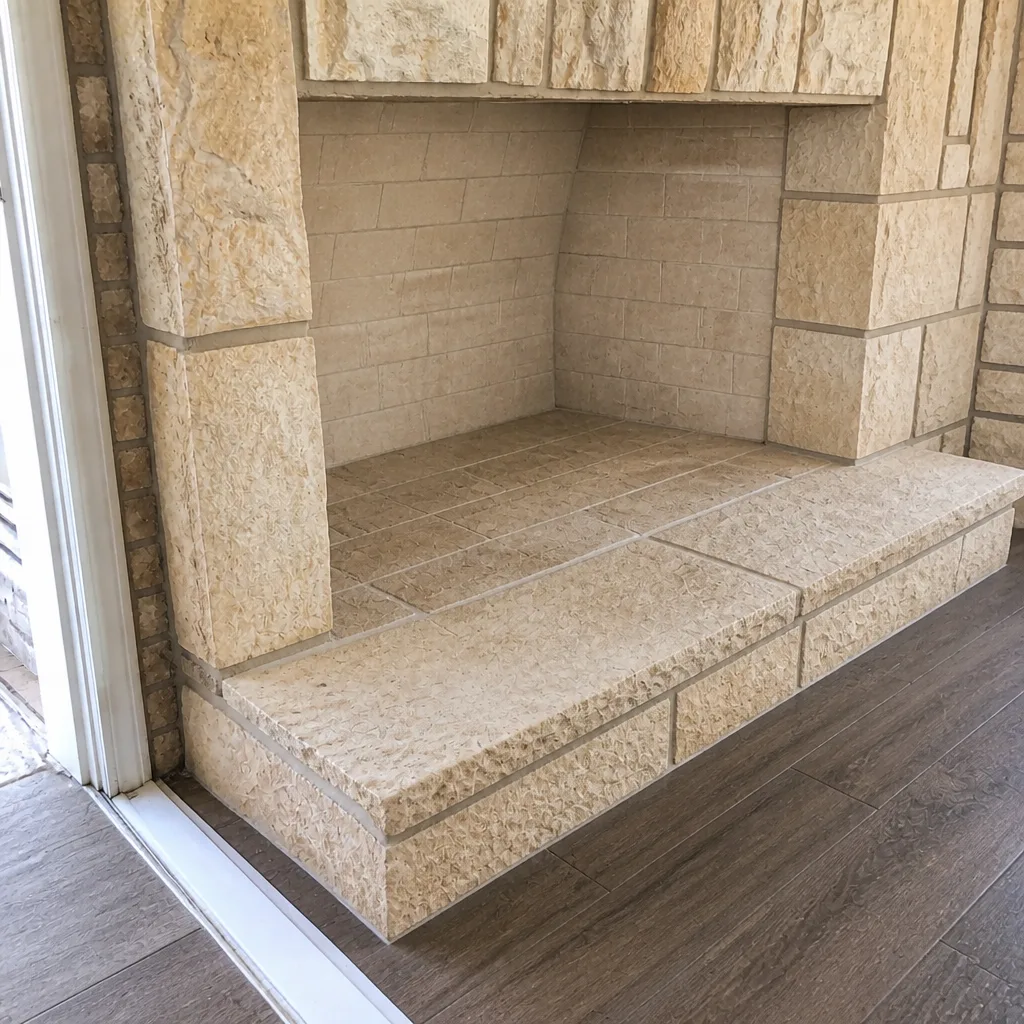
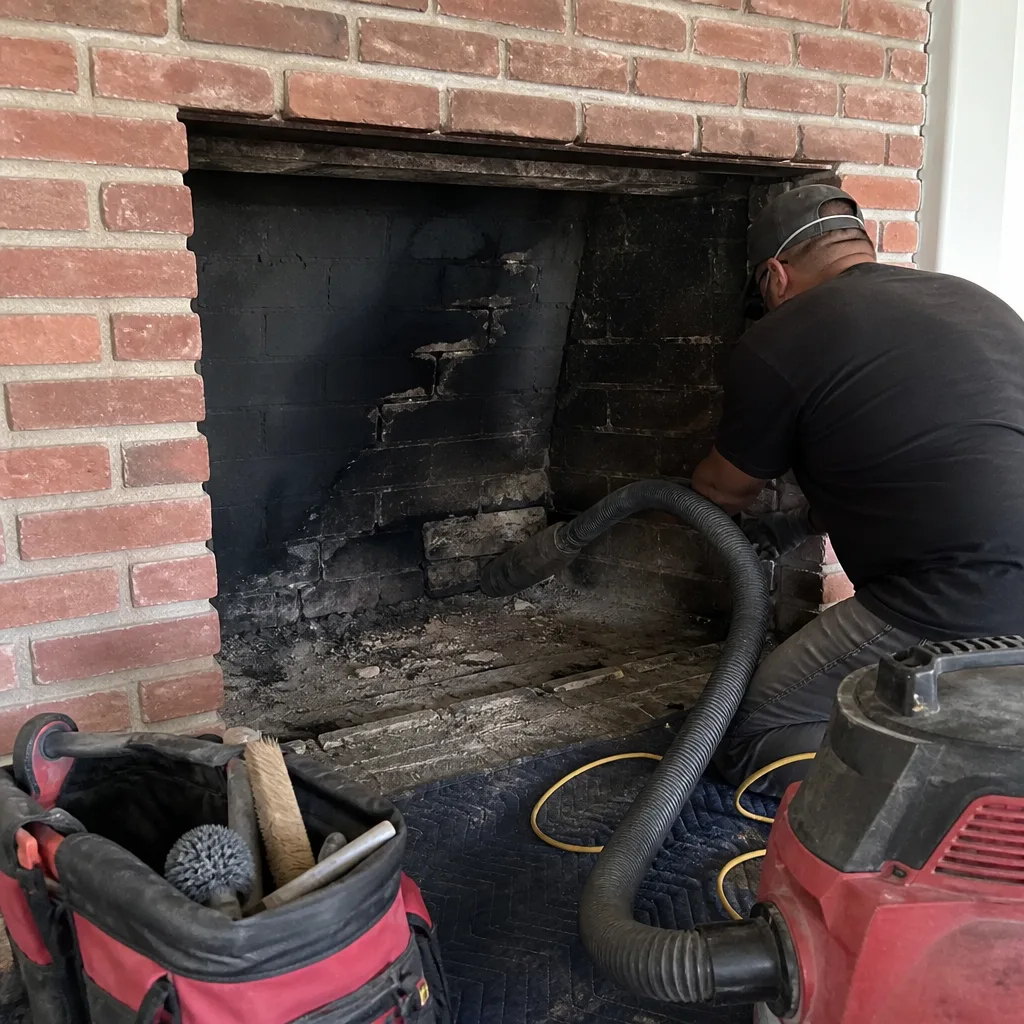
See the difference
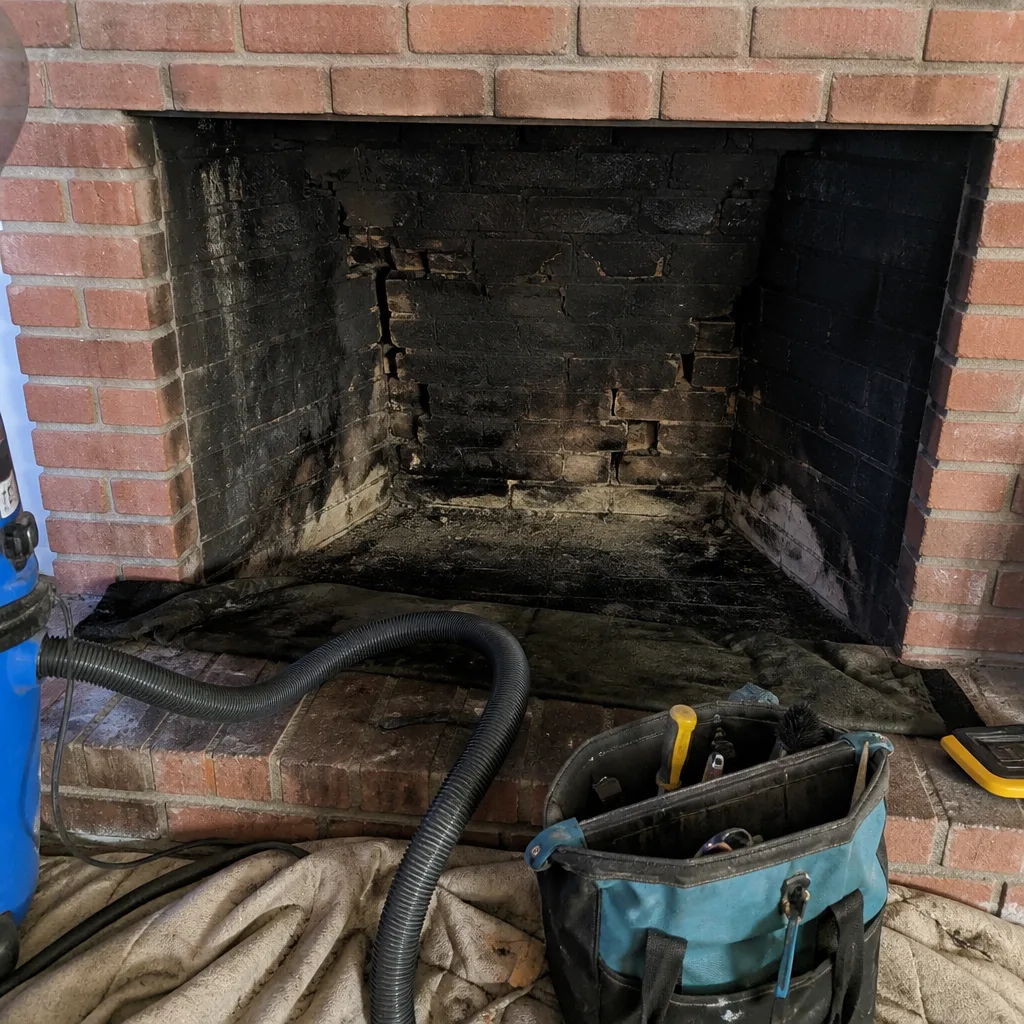 Before
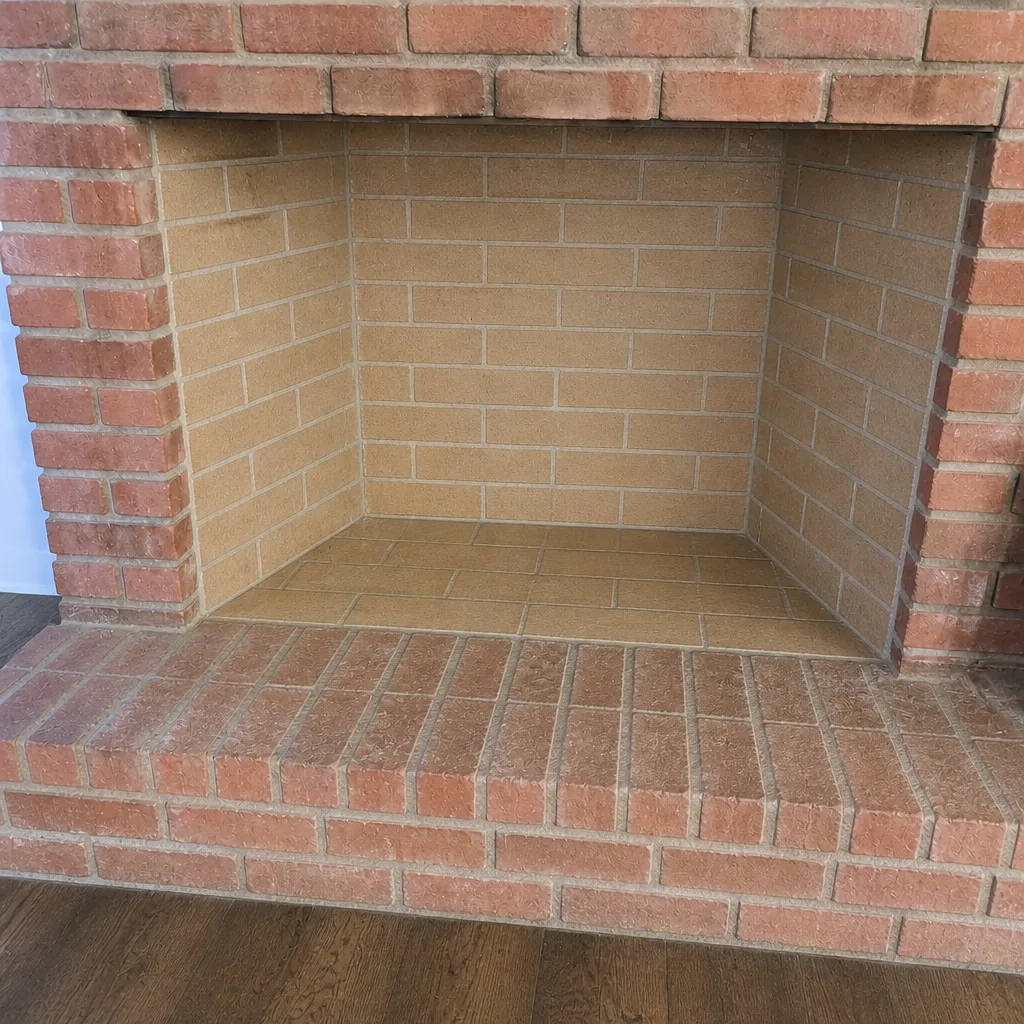 After
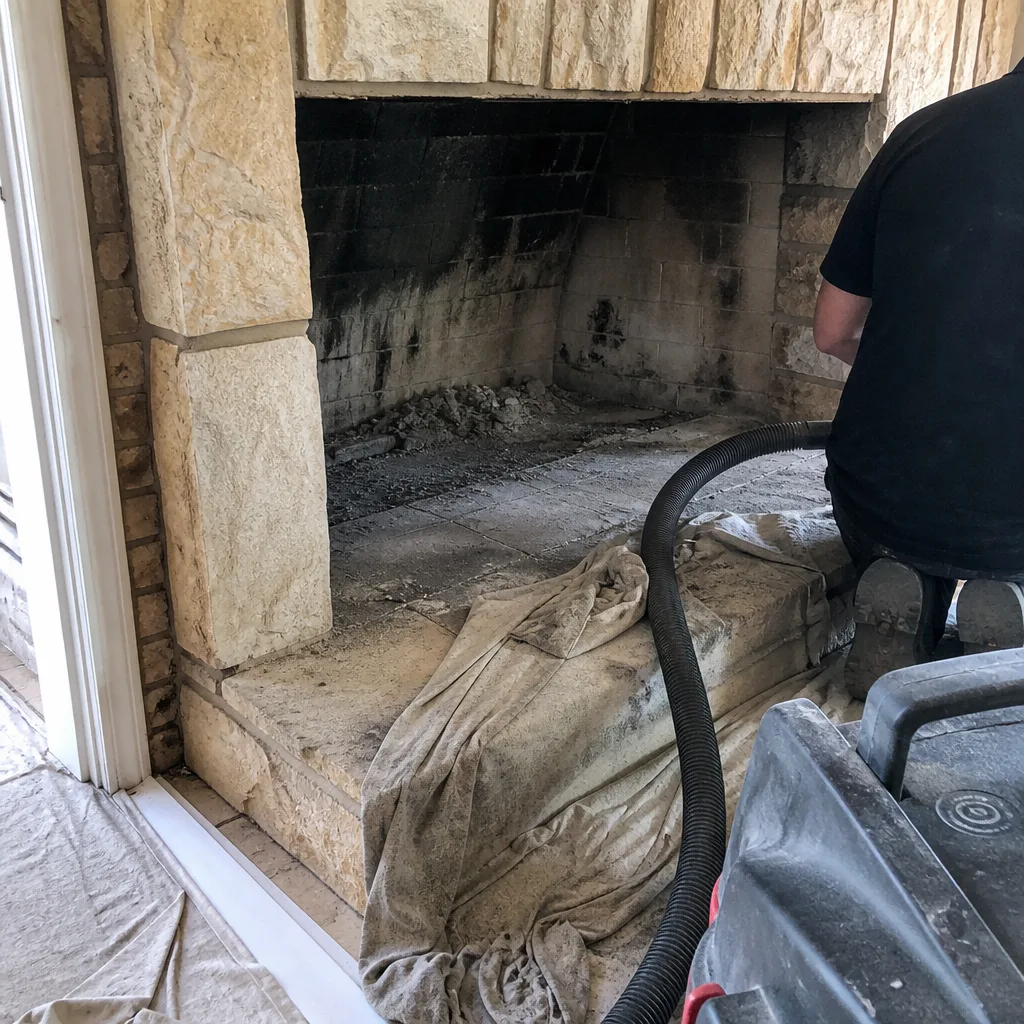 Before
 After
 Before
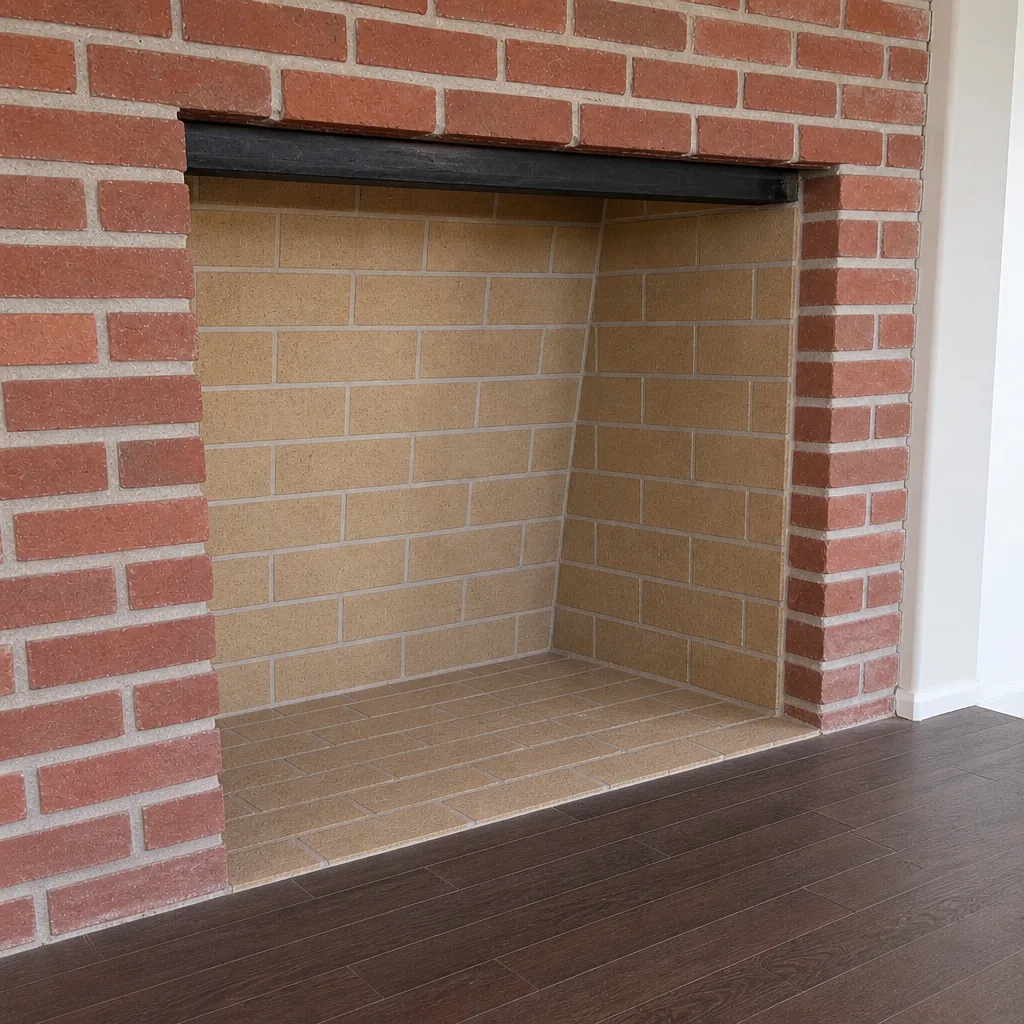 After
When to Call a Professional
Some situations clearly call for a professional rather than a wait-and-see. Call if you hear animals in the chimney or see nesting material at the damper. Call if you notice a smoky room, a downdraft, or a damper that won’t open or close cleanly. Call after any strong Santa Ana wind event that leaves your cap looking shifted, bent, or loose. And call if you see a ceiling stain, a musty smell near the hearth, or rust on the damper, since each points to water getting in from above. If it’s simply been a year since your last sweep and inspection, that’s reason enough. We offer free estimates in Mission Viejo. Call (844) 443-3825. We answer 24/7, with fast dispatch from 7am to 7pm, Sunday through Friday.
Frequently Asked Questions
Late summer, ideally August or September, is the best time to book a chimney sweep and inspection in Mission Viejo. That window comes after the summer heat stress that cracks crowns and seals, and before the October and November demand spike. It also leaves time to complete any repair before the winter rains. Call (844) 443-3825 for an exact quote; estimates are free.
Most Mission Viejo households burn fires far less often than in cold climates, so annual sweeping is the usual recommendation, but the inspection matters more than the sweep frequency here. The off-season does the structural damage, and only an inspection catches that. Book once a year, and treat the inspection as the main event. Call (844) 443-3825 for an exact quote; estimates are free.
Yes, and spring is when it peaks in Mission Viejo. Once burning stops, an open or damaged flue becomes a sheltered cavity for birds and small animals, and nests can block the flue. A properly installed cap is the best defense. If you hear scratching or see nesting material, don’t light a fire. Call (844) 443-3825 for an exact quote; estimates are free.
Santa Ana winds hit the most exposed part of your house first, and the cap takes the full force. Wind can vibrate a cap loose, dent it, or tear it free, leaving the flue open to rain and animals. Make a ground-level cap check a habit after every strong wind event. Call (844) 443-3825 for an exact quote; estimates are free.
Keep it closed whenever the fireplace isn’t in use. In a mild climate where the chimney sits idle most of the year, an open damper wastes conditioned air and lets moisture and outside air in. A damper that sticks or rusts can also signal water getting into the flue. Call (844) 443-3825 for an exact quote; estimates are free.
Yes, because the problems that matter most here happen out of sight. Summer heat stress cracks crowns and seals quietly, and you won’t notice until water gets in. An inspection with documented findings tells you what condition the whole system is in, whether or not something feels wrong. Call (844) 443-3825 for an exact quote; estimates are free.
The Bottom Line
Mission Viejo’s climate rewrites the chimney care calendar. The burning season is short, so the sweep is only part of the job. The long, hot off-season is when your crown cracks, your seals dry out, and your flue fills with nesting animals. Book your sweep and inspection in late summer, after the heat stress and before the holiday rush. Keep your damper closed whenever you aren’t burning. Check your cap after every Santa Ana wind event. And treat the inspection as the diagnostic step that tells you whether your chimney is merely swept or genuinely safe, because those aren’t the same thing. Follow the seasons as they actually happen here, and your chimney holds up through the ones after it.
If you’re ready to get ahead of the season, we handle the full system from firebox to crown, using professional-grade materials, with documented findings before any repair. Reach out at (844) 443-3825 for a free estimate. We answer 24/7, with fast dispatch from 7am to 7pm, Sunday through Friday.
Written by the team at Mission Viejo Chimney Sweep Pros.