
Last updated November 25, 2026
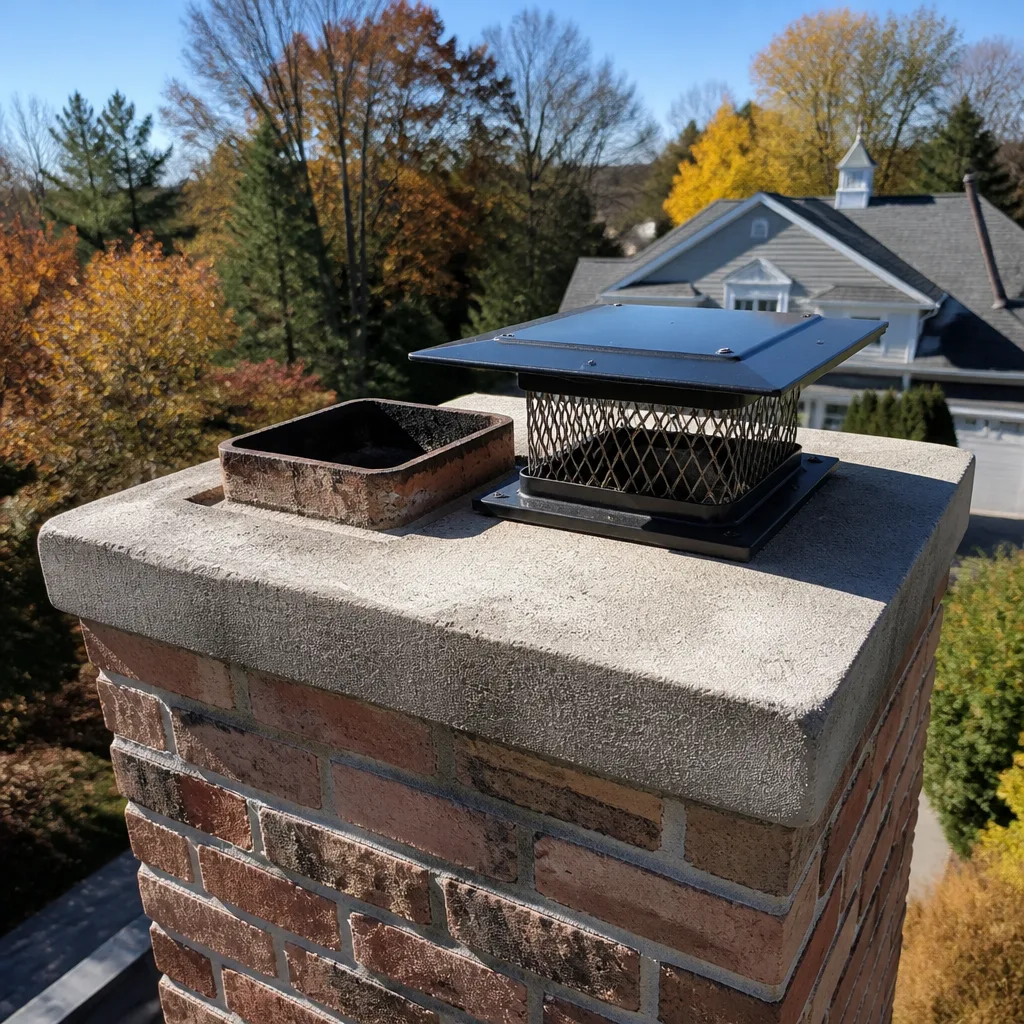 Sweep & inspection
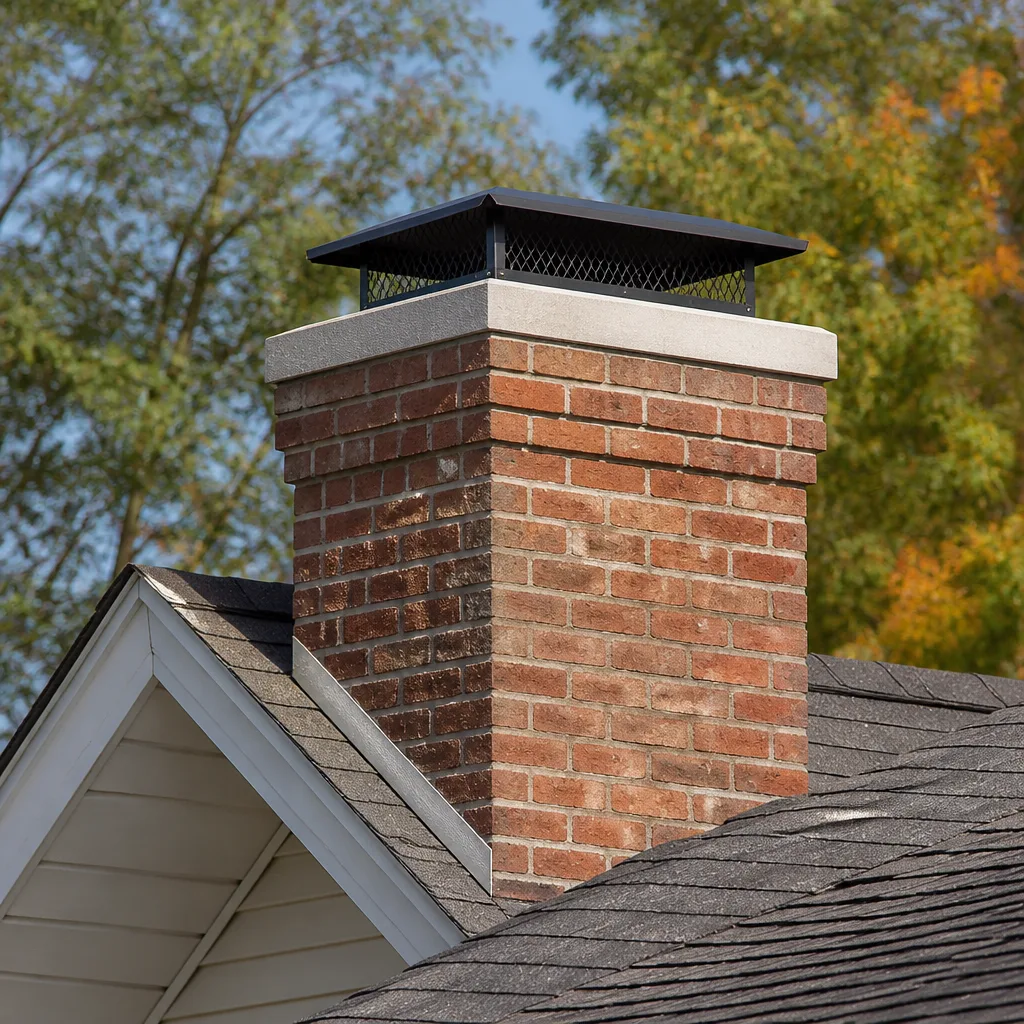 Caps & crowns
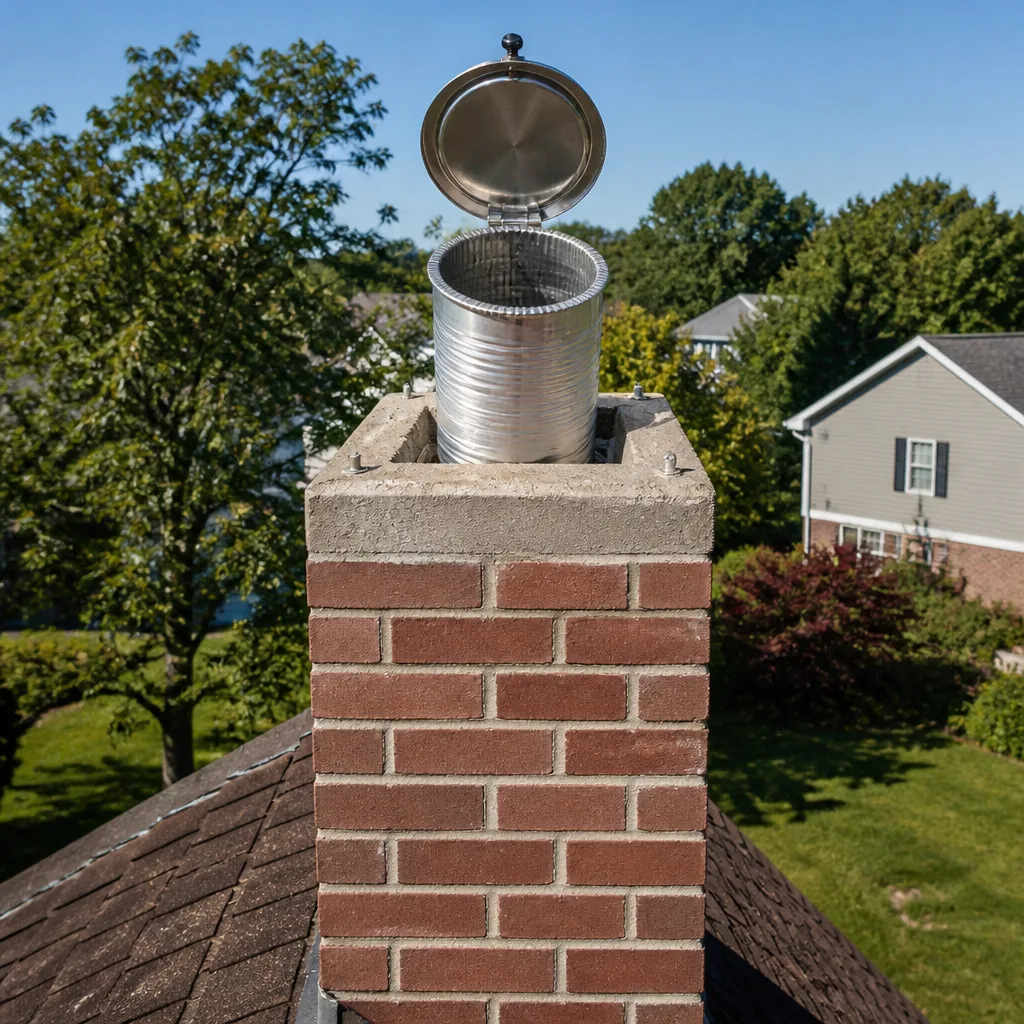 Flue relining
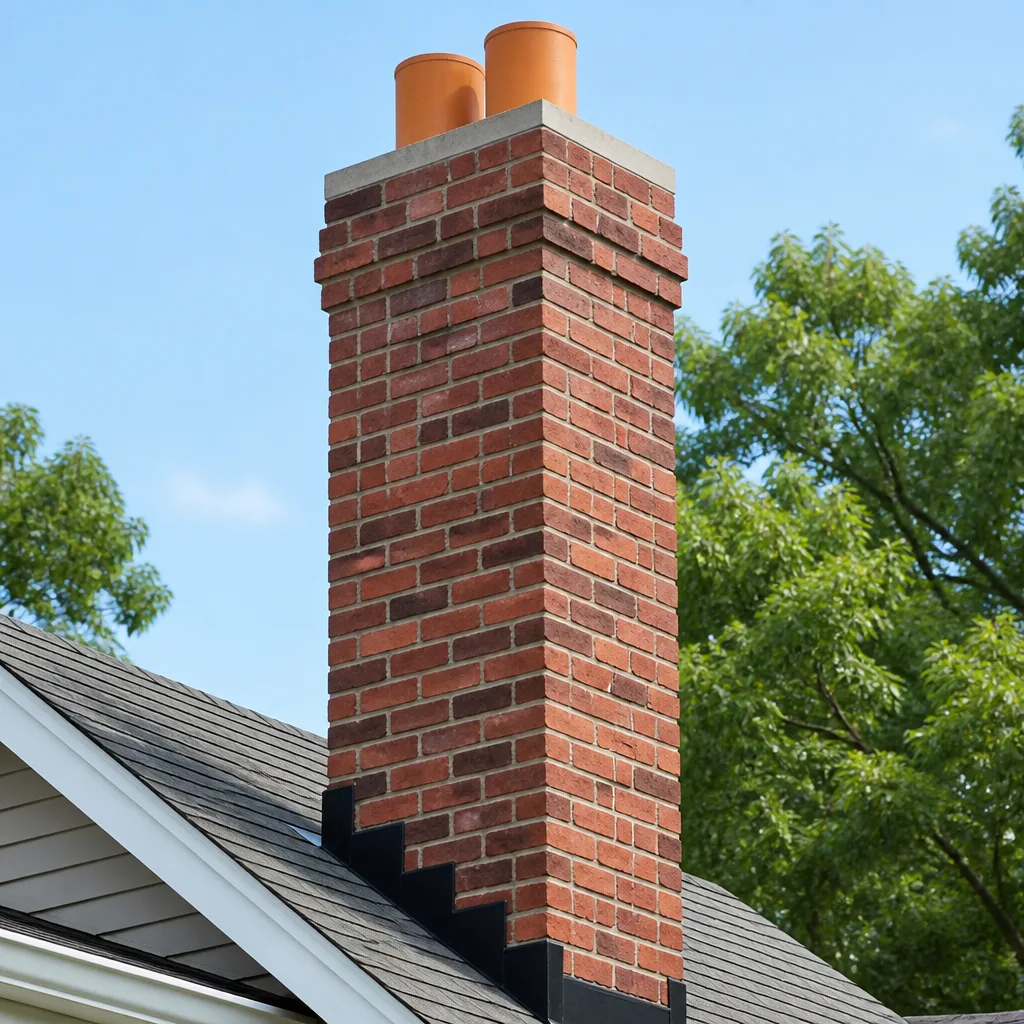 Masonry repair
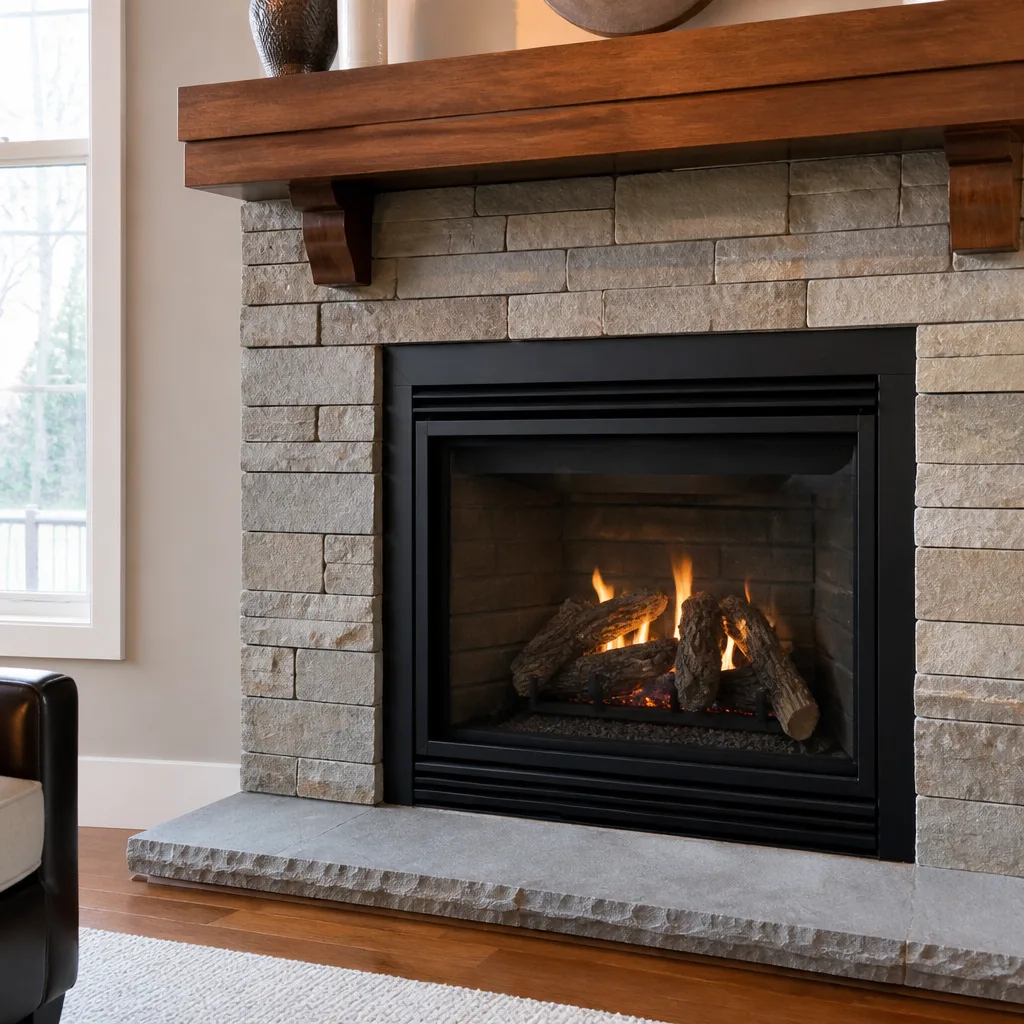 Gas fireplace service
Level 1 sweep and inspection to the NFPA 211 annual standard - flue, crown, cap, and flashing checked and photographed
Chimney sweep logs do not sweep chimneys. They loosen some creosote - which then falls where a brush and vacuum still have to collect it.
Chimney Cleaning Permits, Codes & Inspections in Mission Viejo, CA: What You Need to Know
A chimney liner installed without a permit can leave a homeowner holding the bill if a fire starts in that flue. Insurance carriers in California routinely ask whether permitted work was done, and when the answer is no, coverage for a fire originating in the chimney system can be contested or denied. That single detail rarely comes up during a sales pitch for cheap liner work. Most people assume chimney cleaning and chimney repair sit outside the permit system entirely. The truth is more nuanced: routine cleaning usually is exempt, while a specific set of repairs is not. This guide explains where that line falls in Mission Viejo, how Orange County and California rules interact, what NFPA 211 actually asks of a contractor, and how to check that a job was properly closed out.
Quick Answer
In Mission Viejo, routine chimney cleaning and a Level 1 visual inspection generally do not require a permit. Structural repairs do. Liner replacement, relining, chimney reconstruction, firebox rebuilding, and any alteration to the venting system typically require a permit through the City of Mission Viejo’s building department, and the work should be done to NFPA 211 standards. Unpermitted chimney work can complicate homeowner’s insurance claims and must be disclosed when you sell a home in California.
Styles & brands we work with
- Sweep & inspection
- Caps & crowns
- Flue relining
- Masonry repair
- Gas fireplace service
Table of Contents
- Which Chimney Services Require a Permit in Orange County?
- How California’s Title 24 and Mission Viejo Rules Interact
- What NFPA 211 Means in Practice for California Homeowners
- Insurance and Home-Sale Disclosure Implications
- How to Verify a Repair Was Properly Closed Out
- What to Do If You Discover Prior Unpermitted Work
- Inspections and Sweeps: What’s Covered, What Isn’t
- Common Mistakes to Avoid
Which Chimney Services Require a Permit in Orange County?
The dividing line between “cleaning” and “alteration” is the part most homeowners never hear explained. Cleaning removes creosote, soot, and debris from a system that stays as built. Alteration changes the system’s structure, materials, or venting pathway. One is maintenance. The other is construction, and construction needs a permit.
Here’s how that breaks down for the services a Mission Viejo homeowner is most likely to need:
- Usually exempt: a standard chimney sweep, a Level 1 visual inspection, chimney cap replacement where no flue or crown structure changes, and minor firebox cleaning.
- Usually permitted: liner replacement or relining, conversion from wood-burning to gas venting, chimney chase reconstruction, crown replacement that involves structural repair, firebox rebuild, and any work that changes the flue’s size, material, or route.
- Ask first: masonry crack repair, damper replacement, and spark arrestor installation. These can fall on either side depending on scope, and the honest answer is that it depends on what the building department considers structural in your case.
What makes Orange County different from a lot of California isn’t the code itself, it’s the fire exposure. This is a county where wildland fire risk shapes how seriously inspectors look at anything touching a venting system. A flue that’s been altered without a permit isn’t just a paperwork problem here; it’s a known weak point in a structure that may face ember exposure. We’ve seen homeowners surprised that a liner job triggered an inspection, but that inspection is exactly what confirms the installation was done right.
One more thing: the permit applicant is usually the licensed contractor, not the homeowner. If a company offers to do permitted work and asks you to pull the permit in your own name, that’s a signal to ask why.
How California’s Title 24 and Mission Viejo Rules Interact
Title 24 is California’s building energy code, and it governs how a home’s envelope and systems perform. It touches chimney work in ways homeowners don’t expect. When a chimney is rebuilt, relined, or converted, the assembly has to meet current requirements for how it seals and insulates, not the standards in place when the house was built. A flue that was acceptable decades ago is not automatically acceptable as a repair today.
Layered on top of the state code are Mission Viejo’s own municipal requirements. The city’s building department reviews the permit application, and for chimney work the review usually focuses on a few specific questions:
- What exactly is being altered, and does it change the venting pathway?
- What materials are being installed, and are they listed for the application?
- Does the repair affect the structural integrity of the chimney chase?
- Will the work require inspection before it’s covered up?
In practice, a Mission Viejo homeowner pulling a permit for liner work should expect a plan review and at least one inspection. That inspection matters. It’s the moment an independent party confirms the liner, the connections, and the clearances before the job is closed. When the crew doing the work is also the one that benefits from a quick close-out, third-party verification is the only real check.
We work with listed, professional-grade products for exactly this reason: DuraFlex liners, HeatShield resurfacing material, Olympia Chimney components. When an inspector sees a system built from listed parts installed to manufacturer specification, the review is straightforward. When the parts are unlisted substitutes, it isn’t. Title 24 compliance in Mission Viejo is rarely about the chimney alone. It’s about whether every assembly in the house meets current code at the time it’s touched, and a reline touches the chimney system.
What NFPA 211 Means in Practice for California Homeowners
NFPA 211 is the national standard for chimneys, fireplaces, vents, and solid fuel-burning appliances. It’s the document that tells a trained technician what a safe clearance looks like, how thick a liner has to be for a given appliance, how a crown should shed water, and what an inspection is supposed to cover. It’s also the standard an insurance adjuster or a home inspector will reach for if there’s ever a question about a fire.
What does that mean for you as a homeowner? A few very concrete things:
- Clearances are measurable. The distance between the chimney and combustible framing isn’t a judgment call. It’s spelled out, and a qualified inspector checks it.
- Liner sizing follows the appliance. A liner that’s too large for the appliance vents poorly and accumulates creosote faster. A liner that’s too small restricts draft. NFPA 211 addresses both.
- The crown has a job. It’s supposed to move water off the top of the chimney. A cracked or flat crown fails that job, and the damage shows up in the flue and the firebox long before it shows up in the living room.
- Inspection levels mean something. A Level 1 inspection is a visual check of accessible components. A Level 2 includes a video scan of the flue interior. A Level 3 goes further when a hazard is suspected. Knowing which level you received tells you how much of your system was actually looked at.
California doesn’t have its own chimney code that replaces NFPA 211; it references national standards through the building code. So a contractor working in Mission Viejo should be able to explain how a repair conforms to NFPA 211 and to the manufacturer’s listing for the materials being installed. If you ask that question and get a vague answer, that’s useful information. We document what we find before recommending any repair, which means you see the photos and the inspection findings before you decide.
Insurance and Home-Sale Disclosure Implications
This is the part that costs homeowners the most, and it’s almost never discussed at the point of sale. In California, when you sell a home, you complete a transfer disclosure statement. Chimney work that was done without a permit, and any known defects in the chimney system, are part of what that disclosure addresses. Buyers, and their inspectors, ask questions. Unpermitted alteration is one of the things that turns a simple escrow into a negotiation.
Now imagine the same unpermitted work meets a fire claim. A carrier investigating a chimney fire will look at whether the system was altered, whether the alteration was permitted, and whether it was inspected. If the answer to those questions is no, coverage for a fire originating in that system can be contested. That’s not a scare tactic. It’s how claims evaluation works when the record shows undocumented work.
There’s also a practical asymmetry. Permitted work produces a paper trail. The permit number, the inspection sign-off, and the final are all part of the property record. That record is an asset when you sell, and it’s protection if you ever file a claim. Unpermitted work produces nothing. Worse, if a repair was done over an existing defect, you may be disclosing a problem you didn’t know you inherited.
Orange County’s real estate market is disclosure-heavy by nature. Buyers here ask for documentation on systems, and inspectors look harder at chimneys in fire-risk zones than they might elsewhere. If you’re buying a Mission Viejo property with a fireplace, ask for the chimney records. If there aren’t any, a Level 2 inspection before you close is the cheapest insurance you’ll ever buy on that house.
How to Verify a Repair Was Properly Closed Out
A “we took care of the permit” verbal promise is not verification. What you want is the actual record, and in California the record is usually available through the city’s building department. Here’s the sequence that closes the loop:
- Confirm the permit was pulled before work started. Ask for the permit number in writing. A permit pulled after the fact to cover finished work is a red flag, not a solution.
- Ask what inspection the permit required. Most chimney repairs get at least one. If the answer is “none,” ask the building department directly.
- Get the final inspection sign-off. A permit that’s been pulled but never finaled is an open permit, and open permits can complicate a sale.
- Request the close-out documentation in writing. You should have the permit number, the inspection date, and a copy of the final.
- Cross-check with the city. Call the City of Mission Viejo building department and confirm the permit status against the address. It takes a few minutes.
- Keep the records with your home file. The next owner will want them, and so will your insurer if the question ever comes up.
One habit that makes this easy: get everything in writing before the work starts. The scope, the materials, the permit responsibility, and the inspection schedule. A contractor who works this way is comfortable being checked. A contractor who bristles at it is telling you something. We work with a curated set of professional-grade product lines, DuraFlex, HeatShield, Gelco, Olympia Chimney, Famco, and Copperfield, and when a brand is specified in the written scope it’s also what gets installed.
If you’re already past the job and the documentation is thin, don’t panic. A Level 2 inspection can establish what’s actually in your flue, and from there you can decide whether a retroactive permit or a corrective repair is the right path. Our chimney repair service handles the corrective work when the diagnosis calls for it.
What to Do If You Discover Prior Unpermitted Work
Finding out that work you inherited was never permitted is stressful, but it’s not an emergency, and the path forward is usually manageable. The first thing to do is get an independent look at what’s actually installed. You can’t decide what needs fixing until you know what’s there.
A Level 2 inspection with a video scan of the flue gives you that picture. It shows the liner material, the condition, the connections at the top and bottom, and whether the installation matches what the appliance needs. That inspection report becomes the basis for everything that follows: the permits, the corrections, and the disclosure you’ll eventually write.
From there, the options usually come down to:
- Retroactive permit where possible. Some cities will permit and inspect existing work if it meets current code. Many won’t. It depends on the scope and on Mission Viejo’s review.
- Corrective repair to bring the system to code, then permit it. This is the cleanest path if the installation has real defects, which is common when unlisted parts were used.
- Document and disclose. If the work is sound but unpermitted and the city won’t permit it retroactively, a documented inspection report and disclosure is a defensible position, particularly with a buyer who has an inspector look for themselves.
What you shouldn’t do is leave it undocumented. An unpermitted liner that’s never been inspected is an unknown, and unknowns cost the most at the closing table. Our chimney sweep service is often where this starts, since a sweep appointment is also when a lot of homeowners learn their flue isn’t what they assumed.
Inspections and Sweeps: What’s Covered, What Isn’t
A swept chimney and a safe chimney aren’t always the same thing. A sweep removes creosote from the flue. An inspection evaluates the entire system, from the firebox to the cap and crown, and tells you whether the parts you can’t see are doing their job. You can have a spotless flue and a cracked crown, a failed damper, or a liner that’s pulling away at the top connector.
That’s why we offer inspection as a standalone service. Diagnosis comes first. If an inspection finds nothing that needs repair, that’s a good outcome, and you should hear it plainly. If it finds something, you should see the photos and the video before anyone recommends a repair.
What a Level 2 inspection typically covers:
- The firebox, damper, and smoke chamber
- The flue interior by video scan
- The chimney chase, clearances, and any visible cracking or water damage
- The crown, cap, and spark arrestor
- The appliance connections and any venting configuration
Mission Viejo’s mild winters mean the chimney isn’t fighting snow and ice, but they also mean homeowners burn less often and put off maintenance longer. A chimney that gets used a few times a year is easy to forget between seasons, and that’s exactly when a small crown crack or a loose cap goes unnoticed until it’s a bigger repair. Water intrusion at the top of the system is the most common source of damage we see, and a cap and crown in good condition is what prevents most of it. If you’re due, our fireplace repair team also handles the firebox and damper components so the whole system is addressed together.
Common Mistakes to Avoid
- Assuming a sweep covers the permit question. A sweep won’t tell you whether the work you had done last year was permitted or whether your system has unpermitted history. You have to ask for documentation and check it yourself.
- Letting the contractor skip the permit “to save time.” The time saved comes out of your insurance coverage and your disclosure. Ask for the permit number in writing, before the work begins.
- Skipping the Level 2 inspection before buying a Mission Viejo home with a fireplace. A general home inspection frequently does not include a video scan of the flue. Ask for a chimney-specific inspection and know what you’re buying.
- Treating an open permit as finished work. A permit that was pulled but never finaled is an open item. Confirm the final inspection sign-off exists, not just the permit.
- Accepting unlisted parts to hold the price down. A liner installed with a substitute product may not pass inspection, and it may not be accepted on a future sale. Specify listed materials.
- Ignoring the crown until water shows up inside. Crown and cap work is preventive. By the time a water stain reaches the ceiling, the repair scope is larger than it would have been.
- Hiring on price alone and getting no written diagnosis. If a company recommends thousands of dollars in liner or masonry work without showing you the inspection photos, ask to see them before you decide. You should always have the option to hold off on non-urgent work.
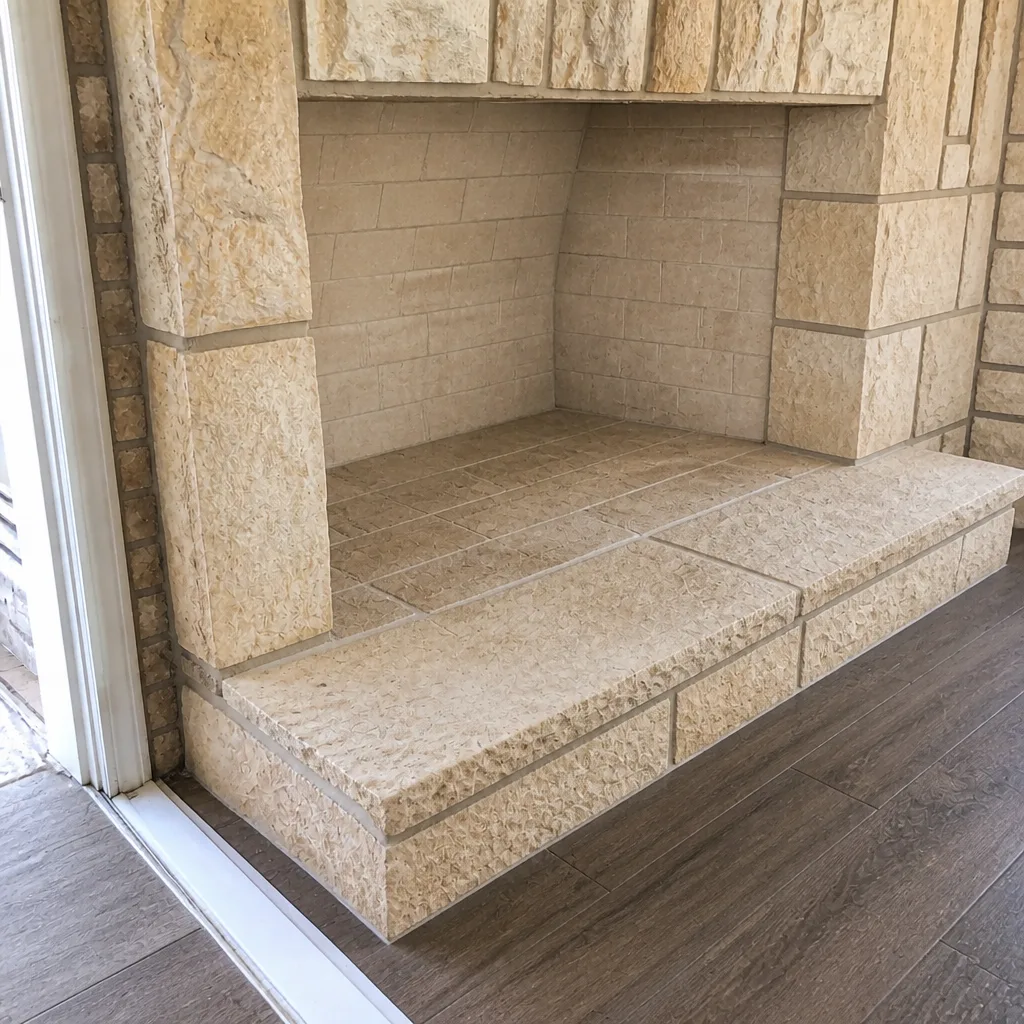
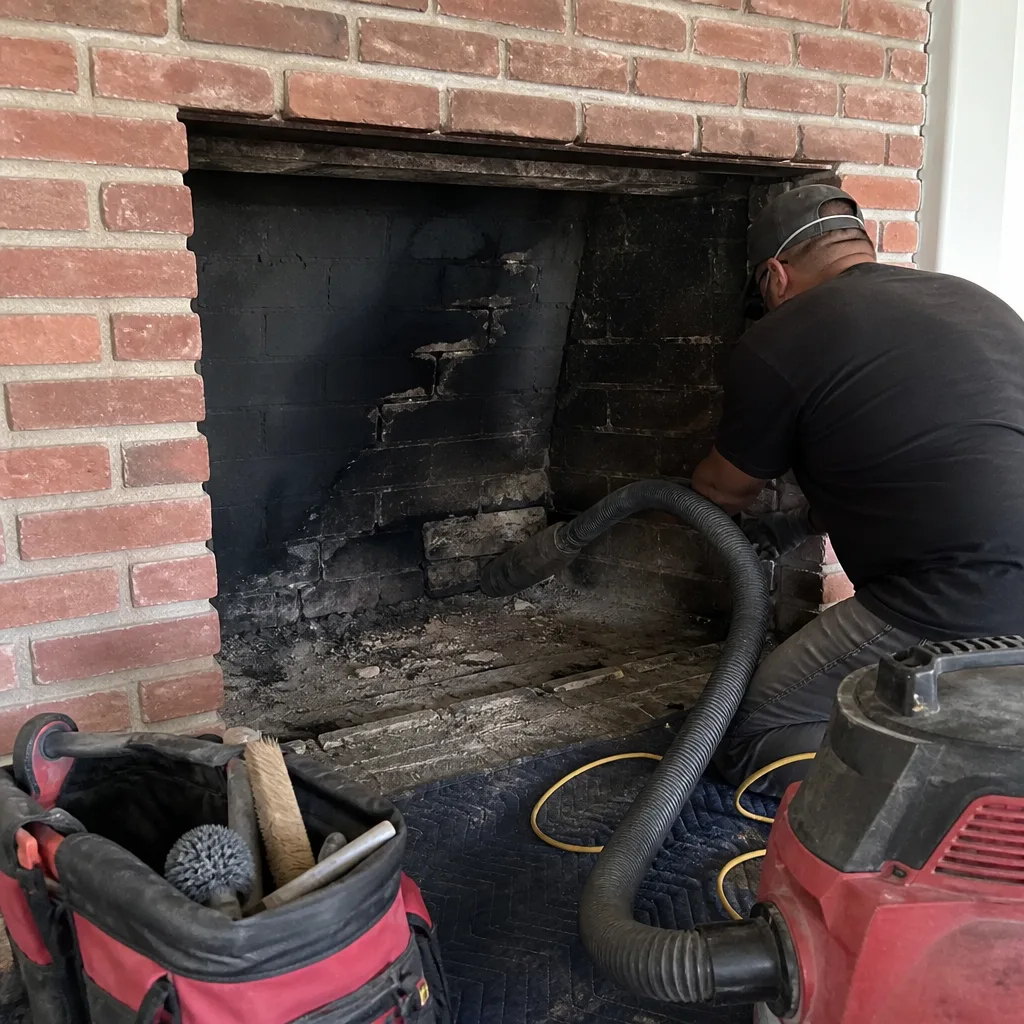
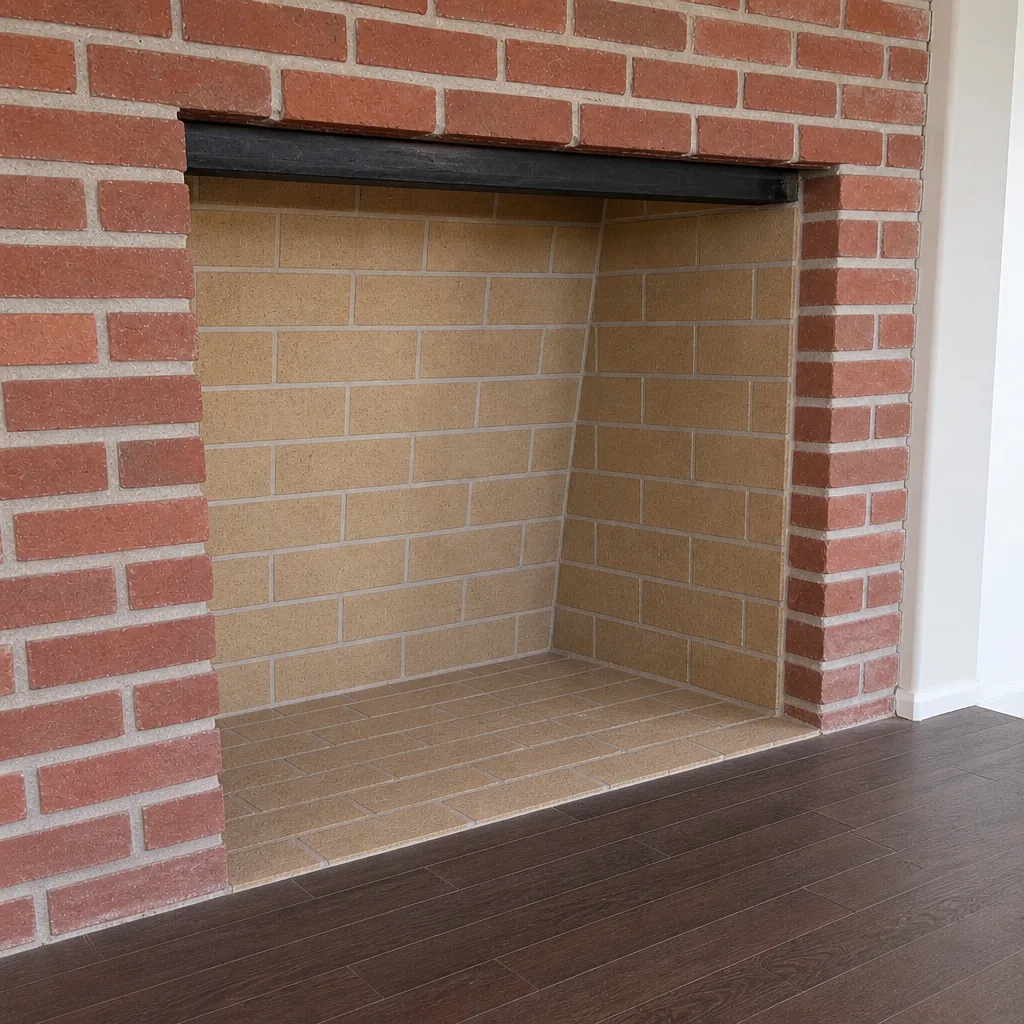
See the difference
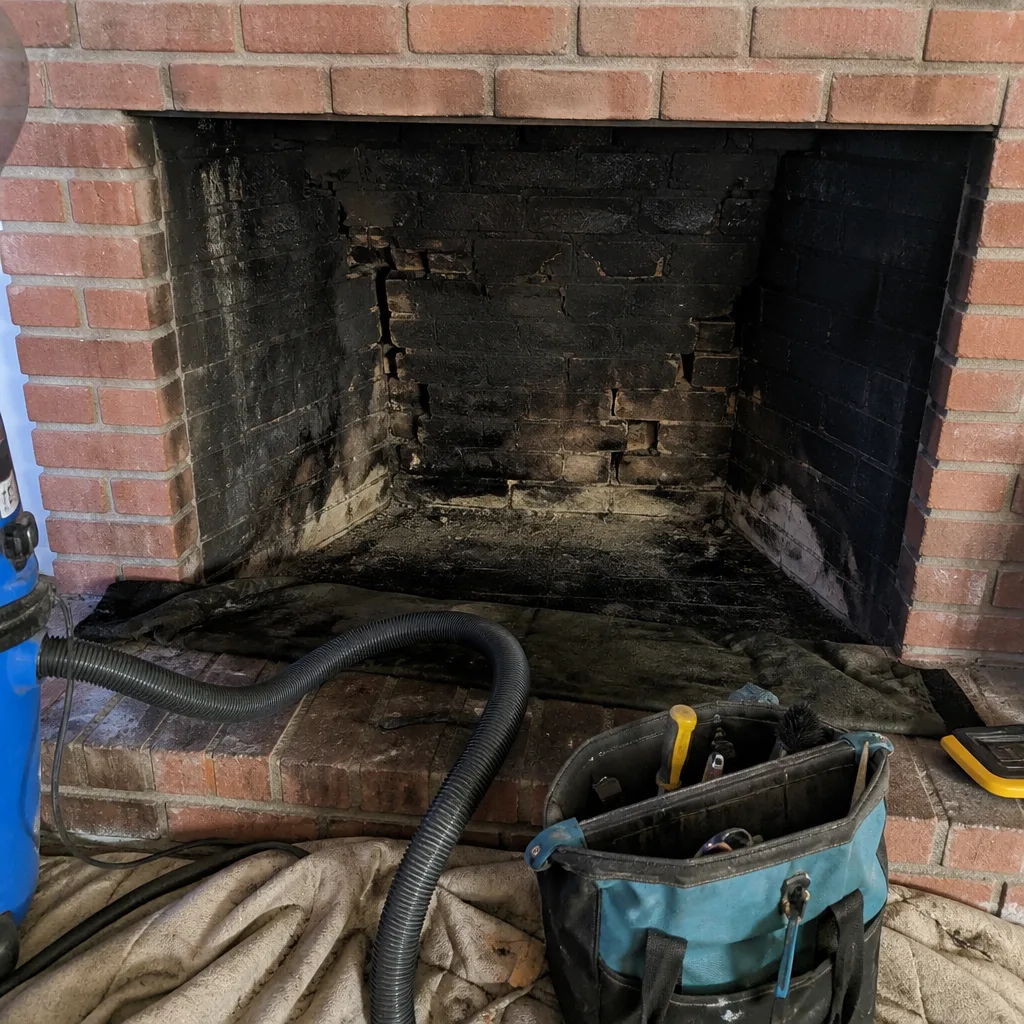 Before
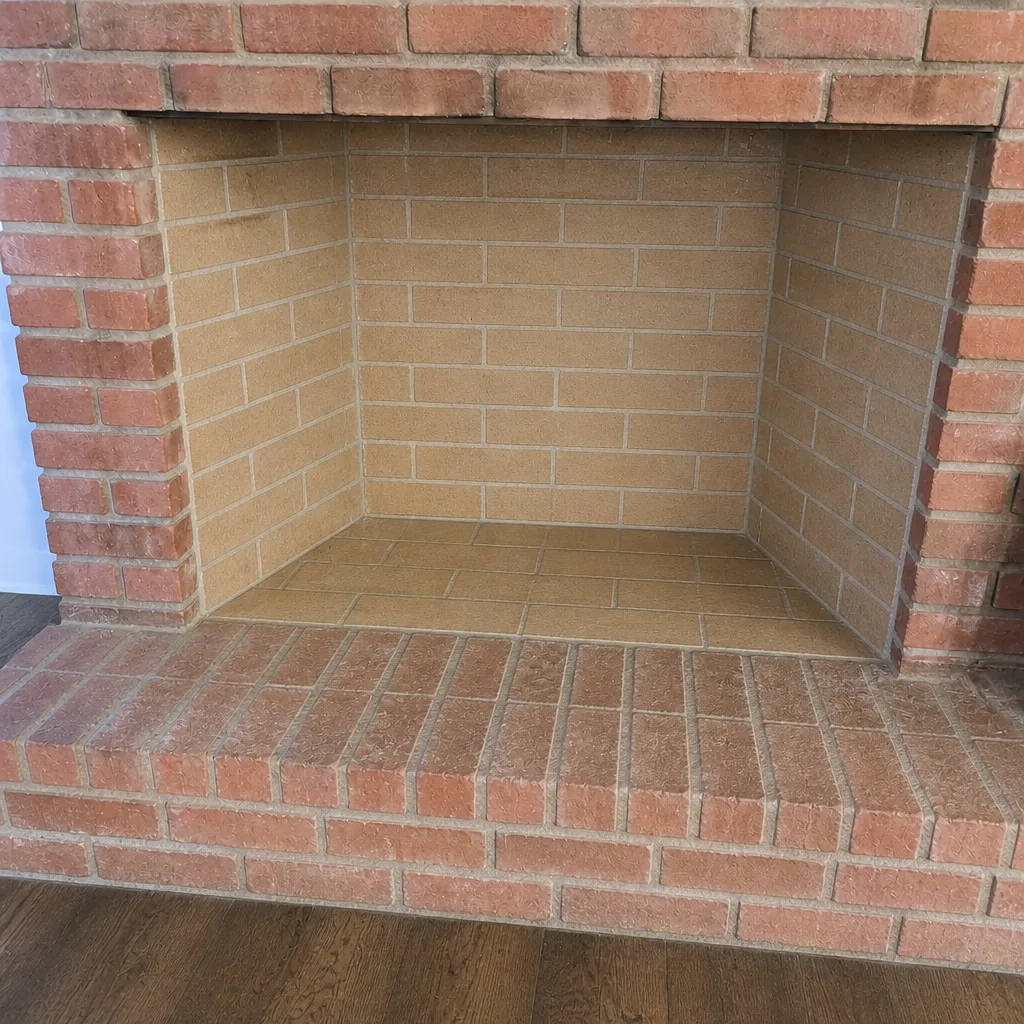 After
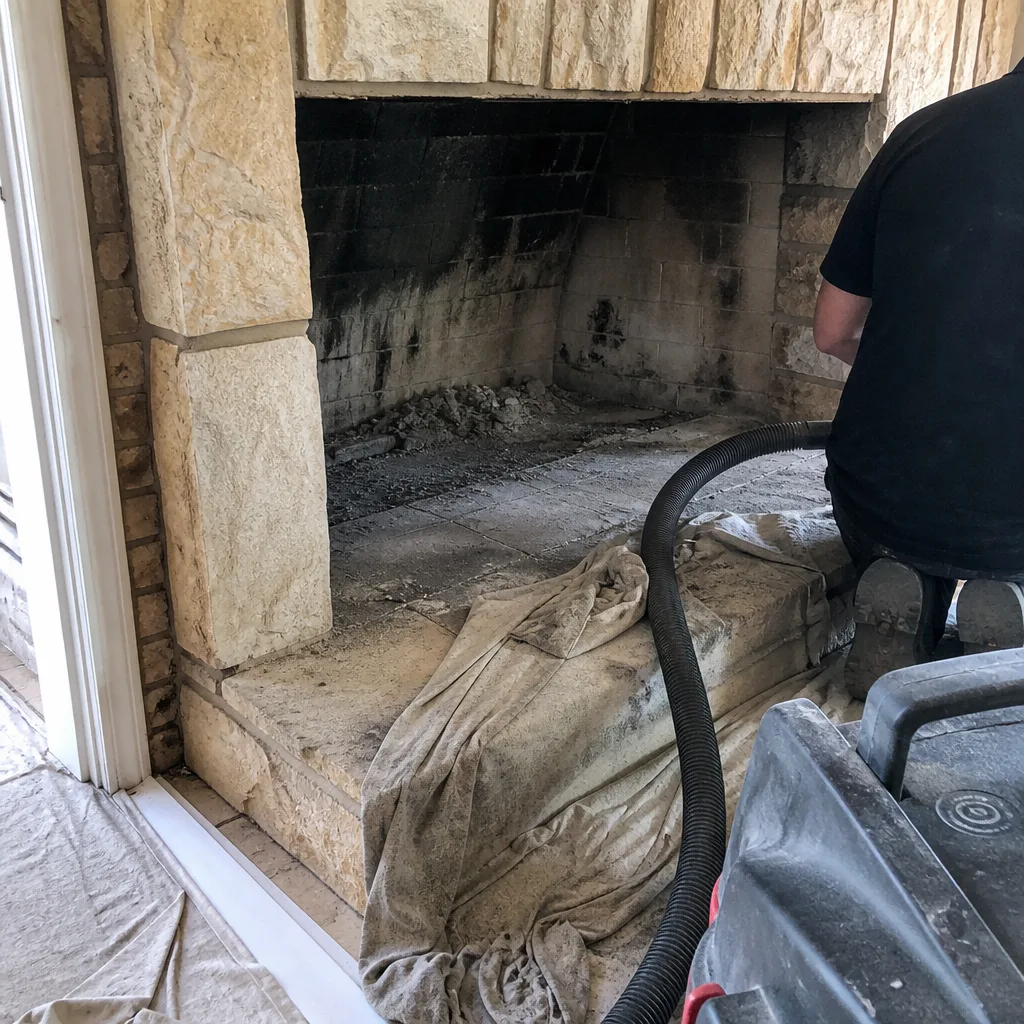 Before
 After
 Before
 After
When to Call a Professional
Call a professional if you’re buying or selling a home with a fireplace and there’s no chimney record; if your last sweep was long enough ago that you can’t remember it; if you’ve noticed staining, a cracked crown, a loose cap, or a damper that doesn’t seal; if you’ve changed fuels or converted from wood to gas; or if you’re the new owner of a system you inherited. Any of these is a reason for a documented inspection before anything else happens. A chimney that’s been altered without a permit and never inspected is a question you want answered before it’s answered for you, by an adjuster or a buyer’s inspector. Mission Viejo Chimney Sweep Pros offers free estimates in Mission Viejo and works with the professional-grade product lines the trade uses. Call (844) 443-3825. We answer 24/7. Fast dispatch from 7am to 7pm, Sunday through Friday. A call outside dispatch hours is booked into the next opening.
Frequently Asked Questions
No, a routine chimney cleaning and a Level 1 visual inspection generally do not require a permit in Mission Viejo. Permits come into play when the work alters the system, such as liner replacement, relining, firebox rebuild, or chimney reconstruction. If you’re unsure which category your job falls into, ask before the work starts and get the answer in writing. Call (844) 443-3825 for an exact scope and estimate, free of charge.
Only if the inspection shows a specific failure: cracks, gaps, a liner that’s too large or too small for the appliance, or a deteriorated flue interior that the liner exists to protect. The honest answer is that many chimneys don’t need a liner, and you should see the video scan or the photos before agreeing to one. A recommendation without evidence is a reason to get a second opinion. Call (844) 443-3825 to review what your inspection found.
NFPA 211 is the national standard for chimneys, fireplaces, and vents, and California’s building code references standards like it, so yes, it applies to any chimney work done in your Mission Viejo home. In practice, it sets the clearances, liner sizing, and inspection levels a qualified contractor follows. Ask your contractor how a proposed repair conforms to NFPA 211 and to the manufacturer’s listing for the parts. A clear answer is a good sign. Call (844) 443-3825 for an inspection with documented findings.
The work may not be inspected, your homeowner’s insurance may contest coverage for a fire originating in that system, and you’ll have to disclose the unpermitted alteration when you sell. None of those consequences show up on the day of the job, which is why they get ignored. The permit record is the paper trail that protects you later. Call (844) 443-3825 if you need a current job reviewed against what was installed.
Contact the City of Mission Viejo building department with your address and ask for the permit history on the chimney system. If a permit exists, confirm it was finaled with an inspection. If nothing exists and the work is older, a Level 2 inspection tells you what’s actually installed, which is the starting point for deciding whether to permit retroactively or plan a corrective repair. Call (844) 443-3825 to book that inspection.
Yes. California’s transfer disclosure statement covers known defects and unpermitted work, and Orange County buyers in fire-risk areas ask for chimney documentation more than most. The cleanest position at the closing table is a documented permit record and a recent inspection. If the record is thin, an inspection report is the next best thing. Call (844) 443-3825 for a documented inspection before you list or close.
The Bottom Line
Cleaning is maintenance and usually permit-free. Alteration is construction and usually permitted. In Mission Viejo, that distinction lives at the intersection of California’s Title 24 code, the city’s building department review, and NFPA 211, which is the standard every qualified contractor should be working to. The permit record matters because it’s what your insurer and a future buyer will look at. Get the inspection first, ask to see the photos, request the permit number in writing, and confirm the final inspection sign-off before a job is called done. If you’re not sure what you have, that’s the moment to call.
Mission Viejo Chimney Sweep Pros provides five core services, a chimney sweep, a standalone inspection with documented findings, fireplace repair, chimney repair, and chimney cap and crown installation. One company diagnoses, repairs, and closes the loop, so nothing gets handed off. Our technicians have up to 10 years of experience, and we work with professional-grade product lines including DuraFlex, HeatShield, Gelco, Olympia Chimney, Famco, and Copperfield, not hardware-store substitutes. Call (844) 443-3825 for a free estimate. We answer 24/7. Fast dispatch from 7am to 7pm, Sunday through Friday. You can also start at Mission Viejo Chimney Sweep Pros and we’ll take it from there.
Written by the team at Mission Viejo Chimney Sweep Pros.