
Last updated November 25, 2026
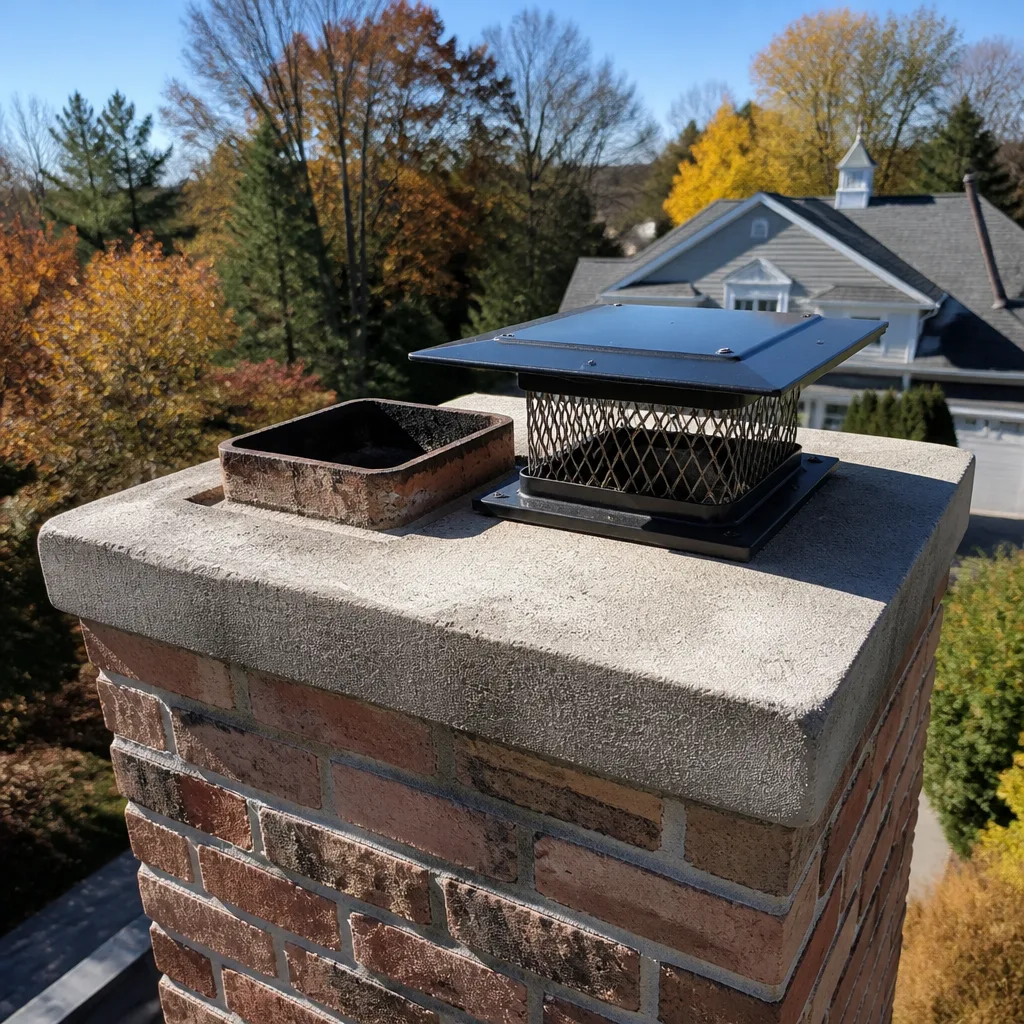 Sweep & inspection
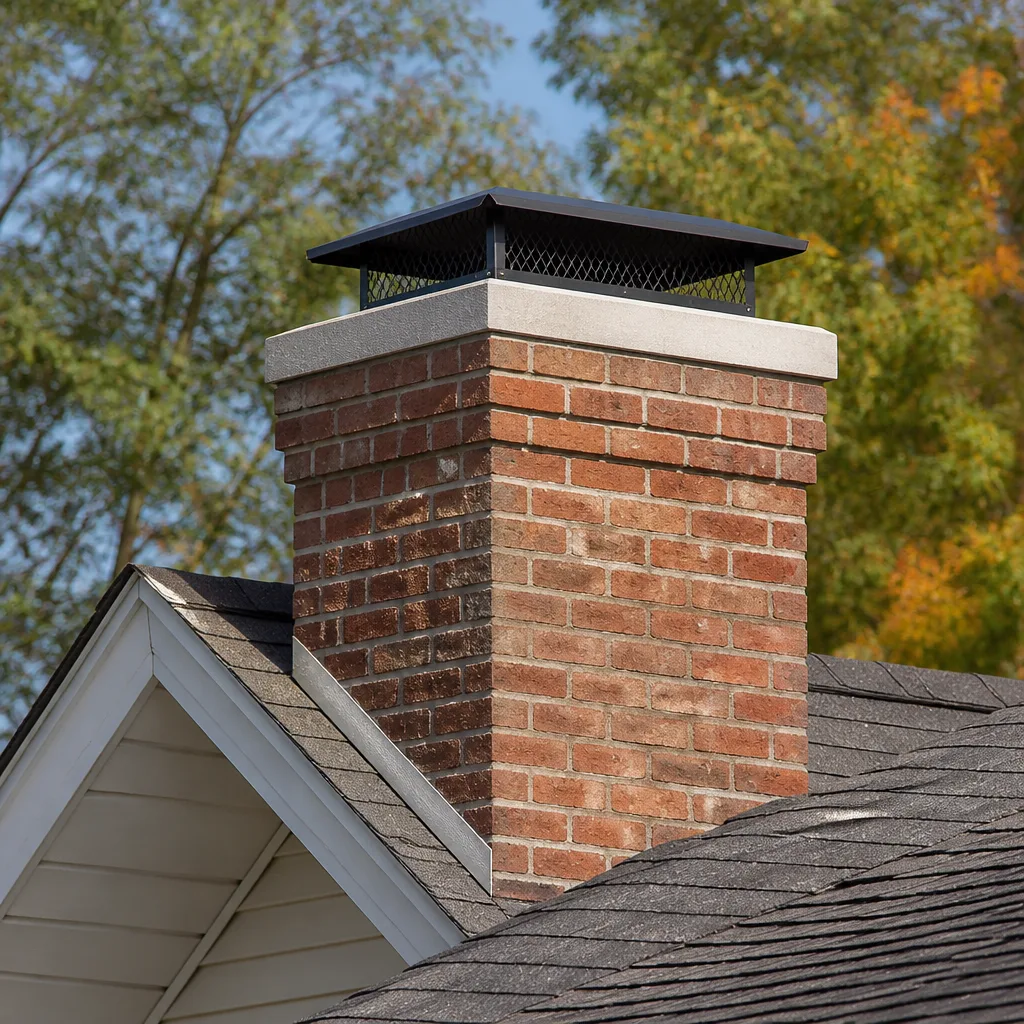 Caps & crowns
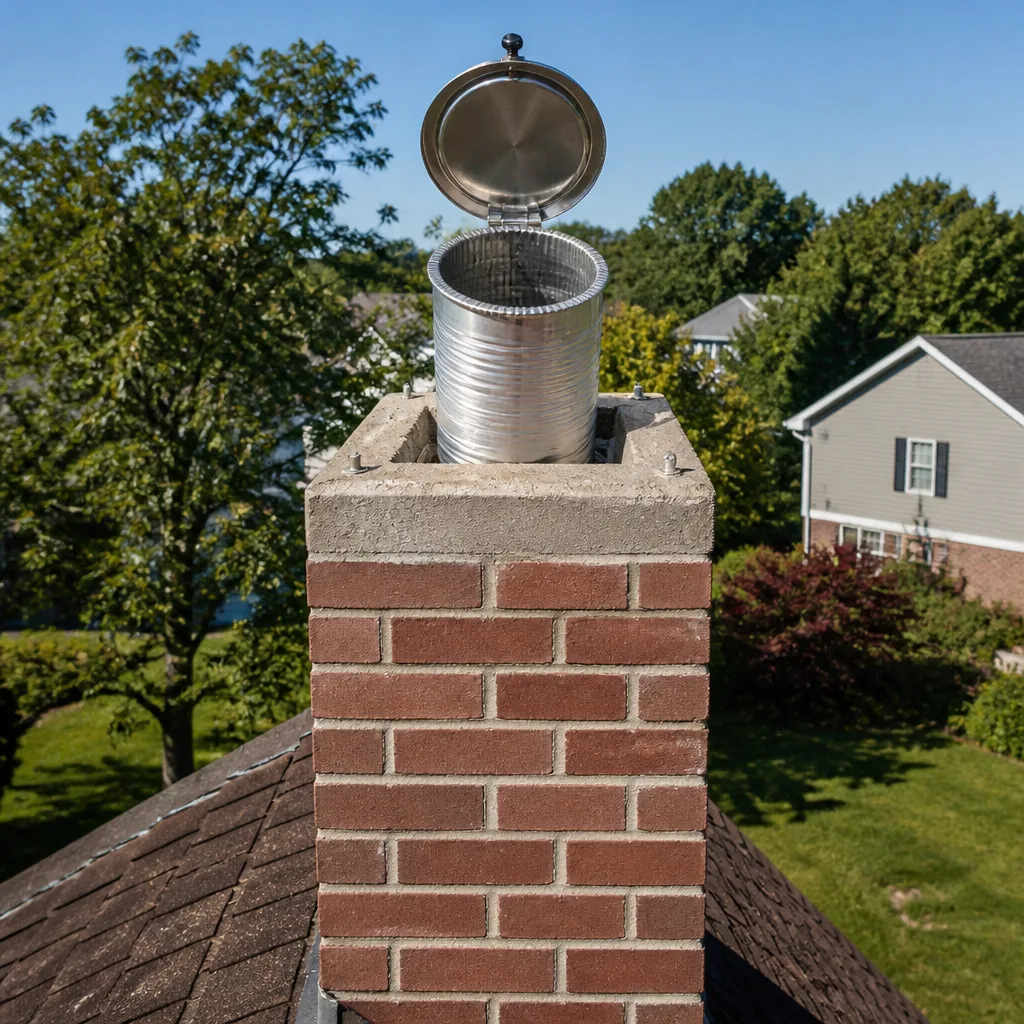 Flue relining
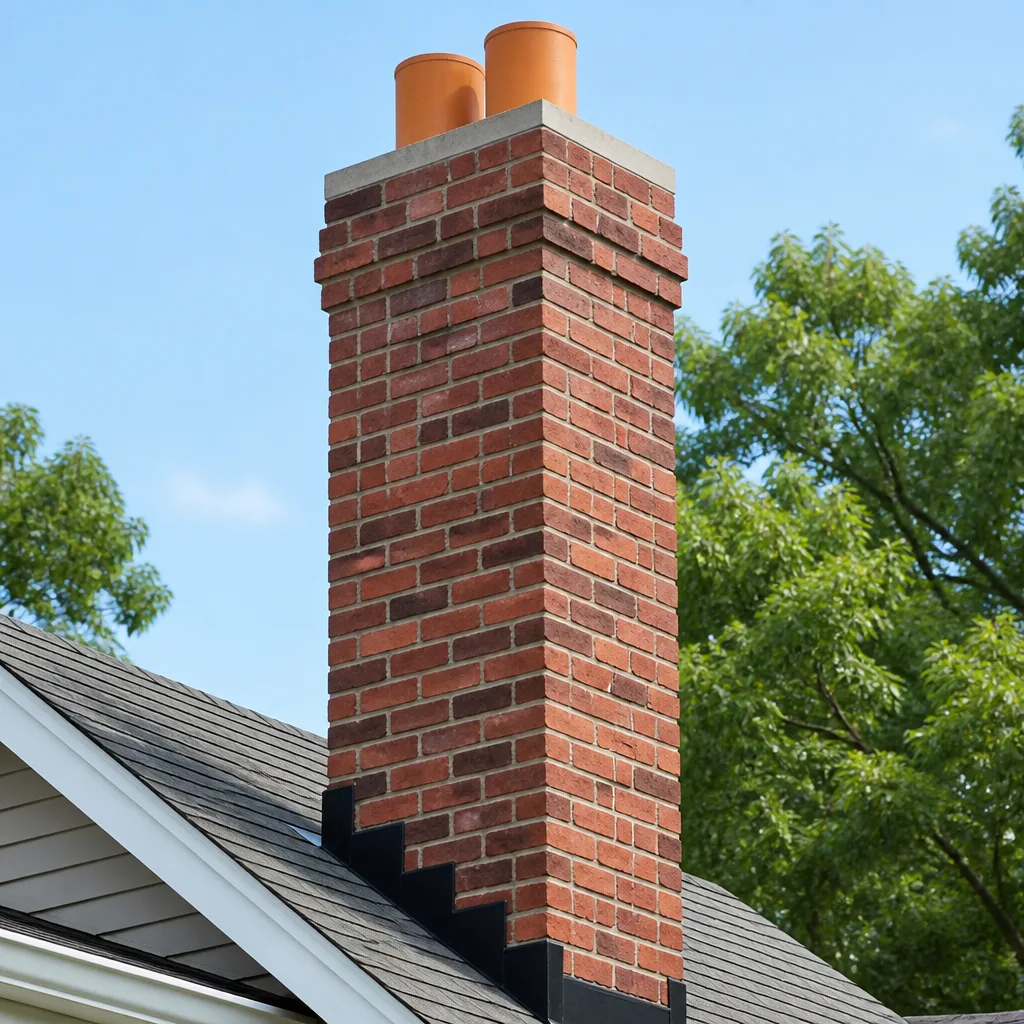 Masonry repair
 Gas fireplace service
Level 1 sweep and inspection to the NFPA 211 annual standard - flue, crown, cap, and flashing checked and photographed
Chimney sweep logs do not sweep chimneys. They loosen some creosote - which then falls where a brush and vacuum still have to collect it.
Chimney Sweep Maintenance Checklist for Mission Viejo Homeowners
If your chimney maintenance checklist doesn’t mention a pre-fire-season inspection before October and an animal exclusion check in spring, it was written for a different climate. Most chimney advice floating around online was built for cold-weather states with hard freezes and heavy snow loads. Mission Viejo doesn’t work that way. Our burning season is short but intense, our summers are hot and dry, and the long stretches when the fireplace sits unused do their own kind of damage. This guide lays out a maintenance calendar built for a Southern California chimney system, from the things you can check yourself to the repairs that need a trained eye and documented evidence.
Quick Answer
A Mission Viejo chimney needs professional sweeping and inspection once a year, ideally in early fall before fire season and again after the burning season ends to catch damage from summer heat. Between those visits, homeowners should check the cap, damper, and visible masonry themselves each season. The full checklist runs year-round because mild winters mean the system’s real enemies are dry summer heat, nesting animals, and long idle periods, not freezing temperatures.
Styles & brands we work with
- Sweep & inspection
- Caps & crowns
- Flue relining
- Masonry repair
- Gas fireplace service
Table of Contents
- Why Mission Viejo Chimneys Need a Different Checklist
- The Month-by-Month Maintenance Calendar
- What You Can Check Yourself vs. What Needs a Technician
- Mortar Joint and Crown Damage After Hot, Dry Summers
- How to Document Your Chimney’s Condition Year Over Year
- What a Professional Maintenance Visit Should Produce
- Preparing the Chimney for Fire Season Before October
- Common Mistakes to Avoid
Why Mission Viejo Chimneys Need a Different Checklist
Chimneys in cold climates spend the winter in constant use and the summer drying out. Mission Viejo runs the opposite pattern. The fireplace sits dormant most of the year, then gets worked hard during the cooler months. That inverted rhythm creates failure modes a generic checklist never addresses.
Our hottest, driest months, roughly July through September, pull moisture out of masonry fast. Clay and mortar shrink slightly as they dry, then expand when the first cool, damp mornings arrive. Repeat that cycle over several years and hairline cracks open along mortar joints and across the crown. Those cracks don’t announce themselves. They show up as a faint dark line on the chimney crown or a bit of loose grit in the firebox, and most homeowners never notice until water has been getting in for a season or two.
The idle season matters too. A chimney that sits unused for eight months is a shelter. Birds nest in the flue, squirrels and raccoons find their way onto the crown, and insects and rodents settle in. Creosote from last season’s fires sits there aging and hardening. When you finally light the first fire in November, you’re burning through a flue that’s been accumulating debris since spring.
That’s why the Mission Viejo approach is a full-system view rather than a once-a-year sweeping. Our technicians have up to 10 years of experience working on systems that see this exact pattern, and the calendar you’ll find below reflects what we actually see here. If your current checklist was copied from a national blog, it’s missing at least half the picture. A proper chimney sweep here accounts for the idle season as much as the burning season.
The Month-by-Month Maintenance Calendar
Here’s the calendar we recommend for Mission Viejo homes with a wood-burning or gas fireplace. It’s built around our actual seasons, and it spreads the work so you’re never facing a surprise in November.
- January – February (mid fire season). Keep an eye and a nose on things. Notice how the fire draws, whether smoke backs into the room, and whether you smell that sharp, resinous creosote odor when the fireplace isn’t lit. A well-drawing fire and no lingering smell are good signs. Backdrafting or a persistent odor means it’s time for a technician to look.
- March – April (end of burning season). This is the month to schedule a post-season inspection. You want to catch heat damage, cracked masonry, and creosote buildup before the system sits idle for months. Burn only dry, seasoned wood in these last fires to keep new creosote from layering on.
- April – May (spring nesting season). Check for animal activity. Look at the cap from the ground with binoculars, listen for birds in the flue, and watch for nesting material at the damper. This is the season when exclusion work pays off. A professionally installed cap with proper mesh is the single best defense.
- June – July (hot, dry summer). Watch the masonry. Run your eyes over the crown and the visible brick from the ground after a hot stretch and look for new cracks or loose mortar. Summer is when dry-shrink cracking develops, and catching it in July means it can be repaired before the fall rains arrive.
- August – September (pre-fire-season window). Book your professional sweep and inspection now, before the October rush. This is the critical visit. The flue gets cleaned, the whole system gets inspected, and any repair is identified with documentation so you know exactly what you’re dealing with before you burn.
- October – December (burning season). Burn dry wood, keep the firebox clear of ash buildup, and keep the damper open until the fire is fully out. Do a quick visual check of the cap and crown before the first fire, and confirm the damper opens and closes smoothly.
The two anchor points are the post-season inspection in spring and the pre-fire-season sweep in early fall. Everything else is quick self-checks that take minutes.
What You Can Check Yourself vs. What Needs a Technician
Not every item on a chimney checklist needs a professional. Some are things any homeowner can and should check. Others, especially anything involving the flue interior, the crown, or the firebox structure, require a trained eye and proper tools. Here’s the honest split.
You can check these yourself
- Damper operation. Open and close it through its full range. It should move smoothly and seal reasonably when closed. A damper that sticks or won’t close fully is a technician’s job to fix, but noticing it is yours.
- Smoke smell. When the fireplace is cold, does the room smell like old smoke or creosote? Clean systems don’t. A persistent smell can mean a blocked flue, a damaged damper, or heavy creosote.
- Cap visibility. From the ground with binoculars, look at the cap on top of the chimney. Is the mesh intact or torn? Is the cap sitting level? Is there debris or a nest visible?
- Visible masonry. Scan the exterior chimney for cracks, missing mortar, efflorescence (white mineral staining), or brick spalling (faces flaking off).
- Firebox appearance. Look for cracked firebrick, loose mortar at the joints, or rust on the grate or damper.
Leave these to a technician
- The interior of the flue. You cannot see creosote buildup, hairline cracks in a liner, or hidden deterioration without a camera and proper equipment.
- Creosote level. The difference between stage 1 and stage 3 creosote is significant and requires a professional to assess safely. Glazed, hardened creosote is a genuine fire risk.
- Crown integrity close up. Cracks on the crown can be subtle from the ground, and repairing or resurfacing one properly is skilled work.
- Liner condition. Liners fail in ways you cannot see. Only a camera inspection reveals whether a liner is sound, deteriorated, or missing.
- Carbon monoxide checks. Properly assessing draft and combustion needs instruments and training. Chimneys vent carbon monoxide, and any symptom of poor draft warrants a professional.
Safety is the reason that second list exists. Creosote catches fire, and a chimney fire can spread into the framing. Carbon monoxide is invisible and odorless. If you notice smoke backing up, a strong creosote smell, or a damper that won’t work, that’s not a self-check, it’s a call.
Mortar Joint and Crown Damage After Hot, Dry Summers
Mission Viejo’s hot, dry summers are the biggest single driver of masonry wear on local chimneys. The mechanism is straightforward. Mortar is porous. When it dries out, it shrinks slightly and loses a little flexibility. Our long dry season pulls moisture slowly out of brick and mortar, and the seasonal swing back toward damp fall mornings creates stress at every joint. Over multiple years, that cycle opens hairline cracks, and once a crack opens, water gets in, and the crack grows.
What to watch for on a Mission Viejo chimney after summer:
- Hairline cracks in the mortar joints. They start thin, often on the sunny side of the chimney. Check from the ground each July and look for new lines.
- Loose or crumbling mortar. Mortar that has degraded will look sandy or powdery, and you may find grit on the roof or ground below. This is a sign the joints need repointing.
- Cracks in the crown. The crown is the concrete or masonry top that sheds water off the chimney. A hot, dry summer can open cracks across it, and each crack becomes an entry point for water into the chimney body.
- Spalling brick faces. When water gets in behind the brick face and freezes (rare here) or simply expands with heat, the face can pop off. Once the face is gone, the brick core is exposed and breaks down fast.
- Efflorescence. White, chalky mineral deposits on the outside of the chimney mean moisture is moving through the masonry. It’s a warning sign even when the brick looks intact.
This is where a specialty repair matters. Ordinary sweep companies clean and leave. A full-system chimney specialist can resurface and reline, and HeatShield is the material that makes that possible for interior flue resurfacing. On the outside of the system, chimney repair handles cracked crowns, spalling brick, and repointing. A properly installed Gelco or Famco cap and crown assembly, rated for long-term weather resistance, is what prevents the whole cycle from starting again. When we recommend that kind of repair, we document what we found first, so you know exactly why it’s needed.
How to Document Your Chimney’s Condition Year Over Year
Most homeowners only think about the chimney when something goes wrong. That’s reactive maintenance, and it’s expensive. The alternative is tracking the system over time so you can see trends instead of surprises. A yearly record turns guessing into evidence.
Here’s a simple documentation system you can run yourself, alongside a professional’s documented findings:
- Keep a dated folder or cloud file. Each year gets its own entry. Include the date, the technician’s findings if you had a visit, and your own observations.
- Photograph the exterior each year. Take the same framing of the chimney from the same spot every year. New cracks, spalling, or staining will show up side by side when you compare.
- Photograph the crown. If you can safely see the crown from a window or a safe vantage point, photograph it in July each year. Crown cracks are one of the most visible signs of deterioration.
- Note the sweep results. Ask how much creosote was removed and at what stage. A house that produces heavy buildup every year may need a different burning habit or a different wood source.
- Record any repair. What was repaired, when, and with what material. This matters if you sell, and it matters for tracking whether a repair is holding.
When a professional performs an inspection, ask for photographs and written findings. A one-page report with annotated photos is worth more than all the verbal summaries in the world. If a company can’t produce written documentation, that’s your cue to look elsewhere. Our approach is to document what we find before recommending any repair, precisely because a record you can see and compare is what makes the system’s history visible.
What a Professional Maintenance Visit Should Produce
A proper visit produces paperwork. Not a verbal “all good,” not a vague note on a receipt, but a documented inspection with findings you can hold in your hand and compare next year.
Here’s what a completed maintenance visit should leave you with:
- A written inspection report. It should identify the condition of the flue, the firebox, the damper, the cap, the crown, and the visible masonry. Each finding should be tied to an observation.
- Photographs of anything notable. If there’s a crack in the crown, you should see it. If there’s deterioration in the liner, you should see the photo. This is what protects you from being told you need work you can’t verify.
- Creosote assessment. The amount and stage of creosote removed should be reported, because it tells you how the system is being used.
- Written recommendations, and their urgency. What should be done, and whether it’s a “do it before the first fire” item or a “watch it next year” item. Reputable technicians say plainly when work can wait.
- The materials used. If a cap, crown, or liner component is installed, the brand and type should be listed. Trade-grade materials matter, and DuraFlex, HeatShield, Gelco, Olympia Chimney, and Famco are the standard we work with.
Verbal-only reports are a red flag for a specific reason. They leave you with nothing to compare, nothing to verify, and no way to see whether a “repair” actually fixed a documented problem. A diagnosis-first company will always give you the evidence. An inspection is offered as a standalone service here for that reason: you get the findings before anyone talks about repairs. If you’re also chasing fireplace issues, the same documentation standard applies to fireplace repair.
Preparing the Chimney for Fire Season Before October
The pre-fire-season window is the most important item on the whole checklist, and it’s the one most homeowners miss. The goal is simple: on the night you first light the fire, the flue is clean, the cap is sound, the crown is sealed, and you know what condition the system is in. Everything below should be done before October.
- Schedule the sweep and inspection in August or September. Booking early beats getting squeezed into a backlog. This is the annual chimney sweep that removes the season’s buildup and the year’s accumulation from the idle months.
- Confirm the cap is in place and the mesh is intact. A missing or torn cap lets in water and wildlife. A sound cap does both jobs at once.
- Inspect the crown for cracks. If cracks are visible, get them repaired before the fall damp arrives.
- Test the damper. It should open and close smoothly and seal reasonably when closed.
- Have the firebox and liner assessed. Cracked firebrick, a degraded liner, or heavy creosote should all be handled before the first fire.
- Check that the wood you plan to burn is dry and seasoned. Wet wood produces more creosote and burns poorly. The wood you buy in late summer often needs more time, so buy early.
- Confirm carbon monoxide detectors are working. This is a home-safety item every fireplace owner should confirm each fall, regardless of chimney condition.
Fire season in Southern California raises the stakes here. Dry brush and hot, windy conditions make a chimney fire a serious concern, and a clean, well-maintained system is the best protection. The window to get there is early fall, not the week the first cool evening arrives.
Common Mistakes to Avoid
- Following a cold-climate checklist. If your maintenance calendar is built around freeze-thaw and snow, it’s wrong for Mission Viejo. Our real threats are dry-summer cracking, idle-season debris, and animal intrusion, and a template that ignores them leaves the system exposed.
- Skipping the post-season inspection. It’s tempting to sweep in fall and forget the chimney until next fall. But heat damage and dry-weather cracking happen all spring and summer, and a spring look catches them before they cost more.
- Ignoring the cap and crown. These are the top-of-system parts most homeowners never think about, and they’re where most water damage starts. A sound cap and crown prevent the cracked masonry that becomes a major repair.
- Burning wet or unseasoned wood. Wet wood produces more creosote and hotter, dirtier fires. Buy seasoned wood early, store it covered, and burn dry.
- Treating a verbal report as an inspection. If you can’t see the findings in writing and in photos, you can’t know what condition your chimney is in. Documented findings are the standard.
- Assuming a swept chimney is a safe chimney. Sweeping removes creosote; inspection tells you whether the liner, crown, and firebox are sound. They’re different jobs, and the second one is what catches hidden problems.
- Letting animals nest through spring. A bird nest in the flue is a fire hazard and a draft blocker. Spring exclusion work is cheaper than a summer of deterioration.
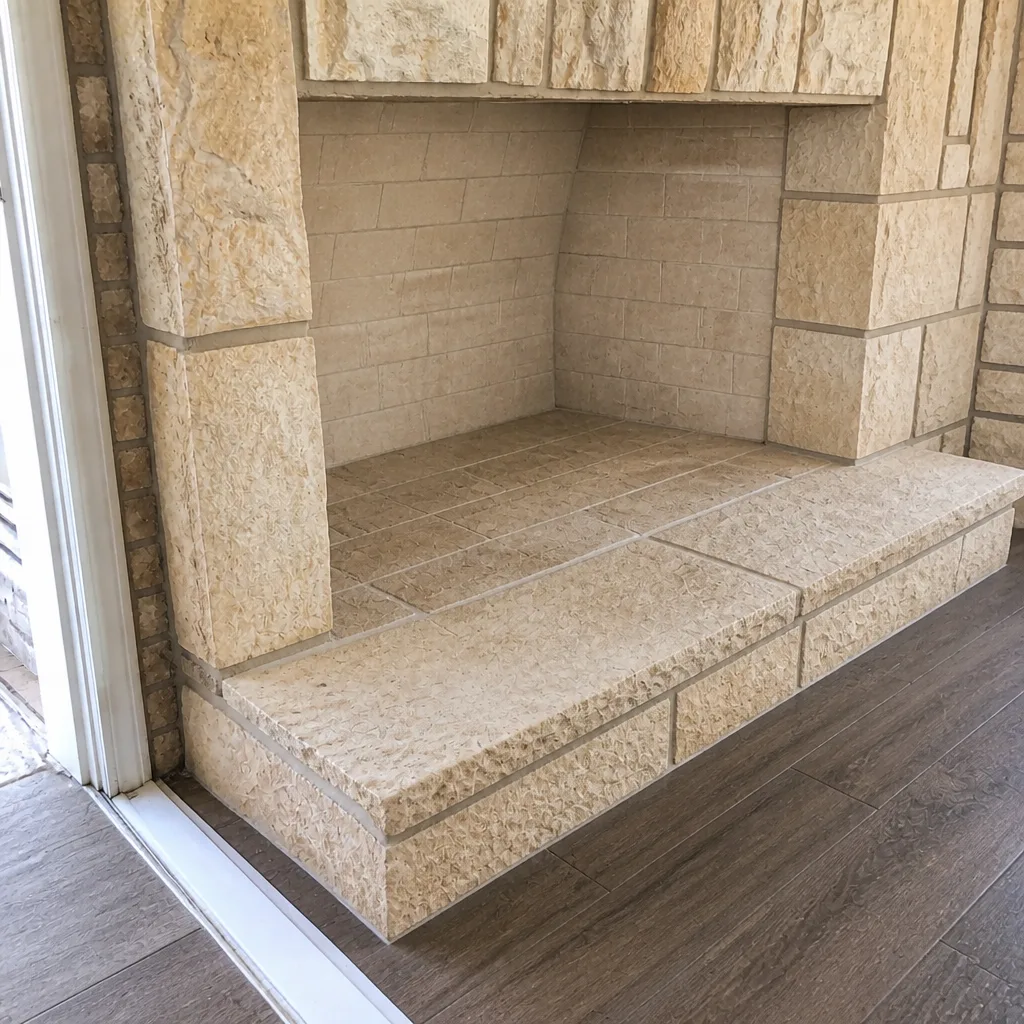
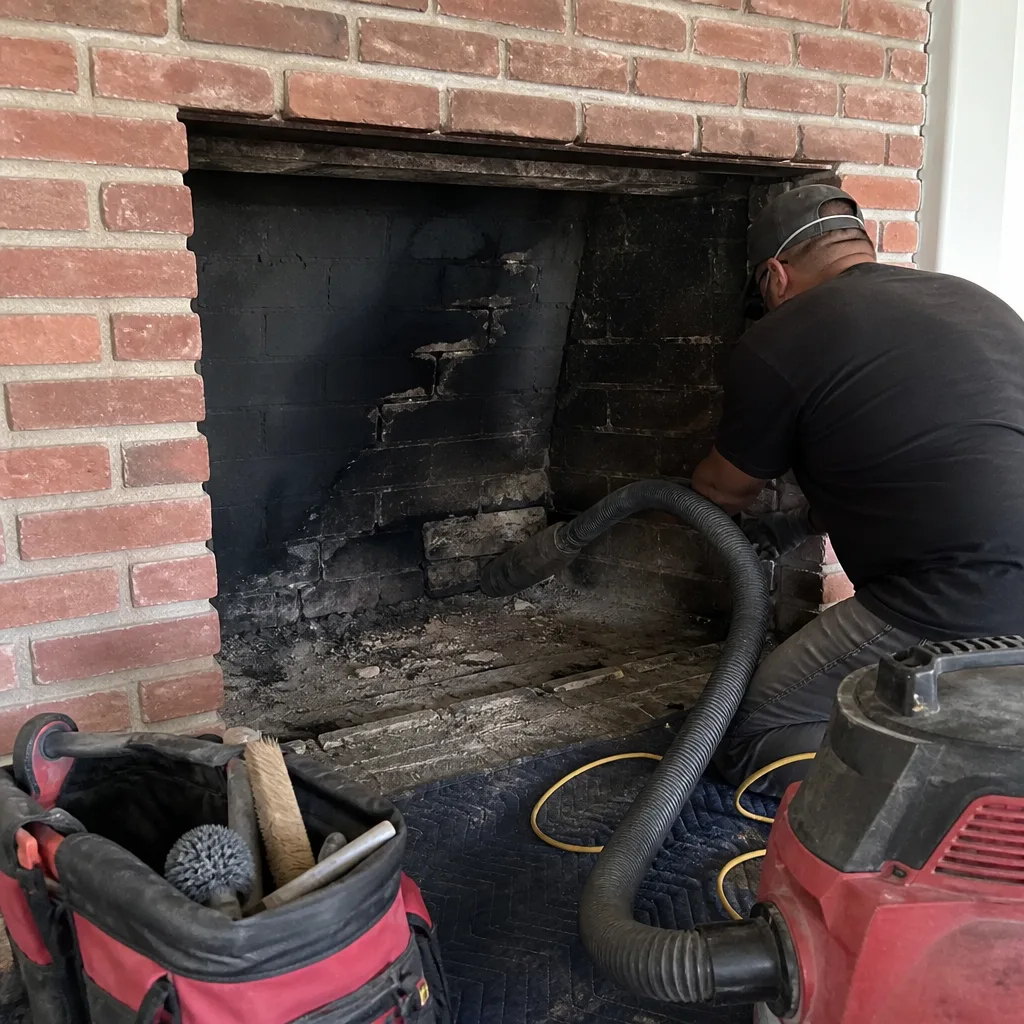
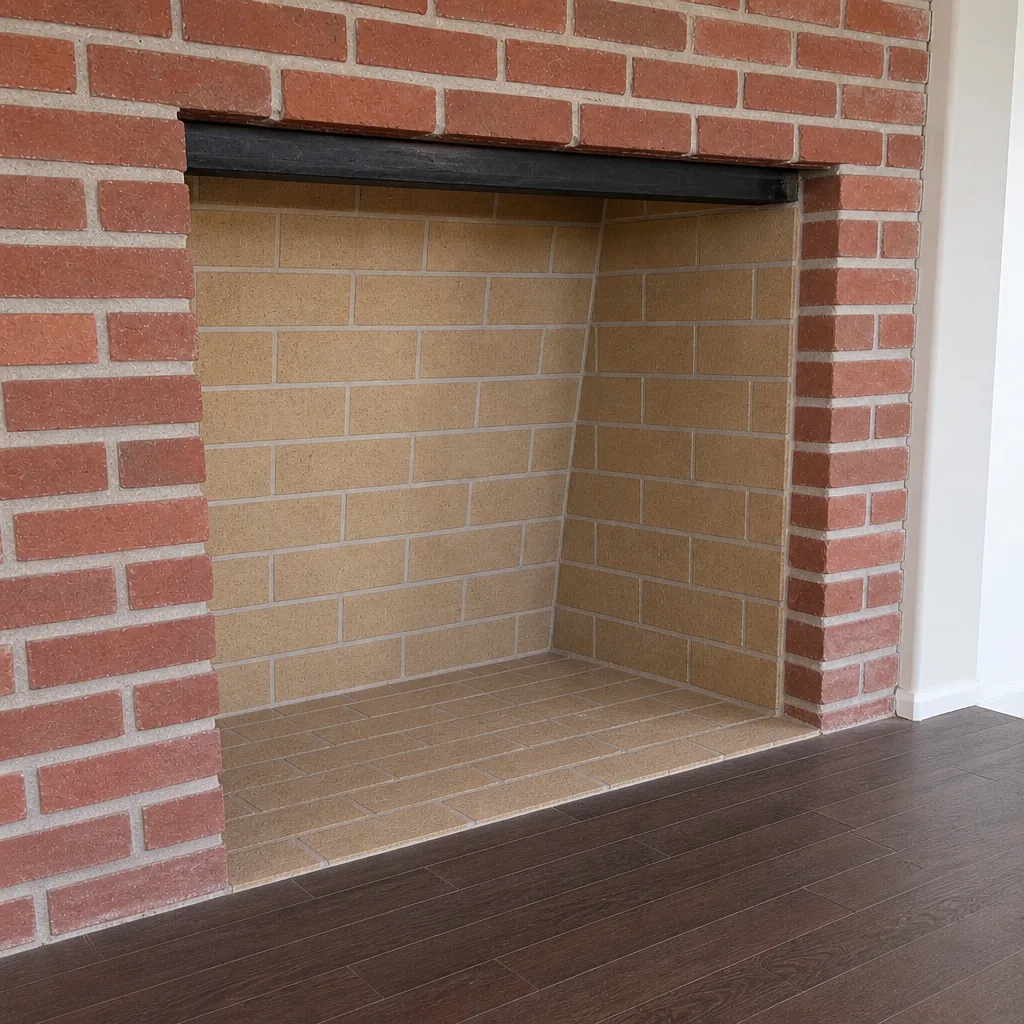
See the difference
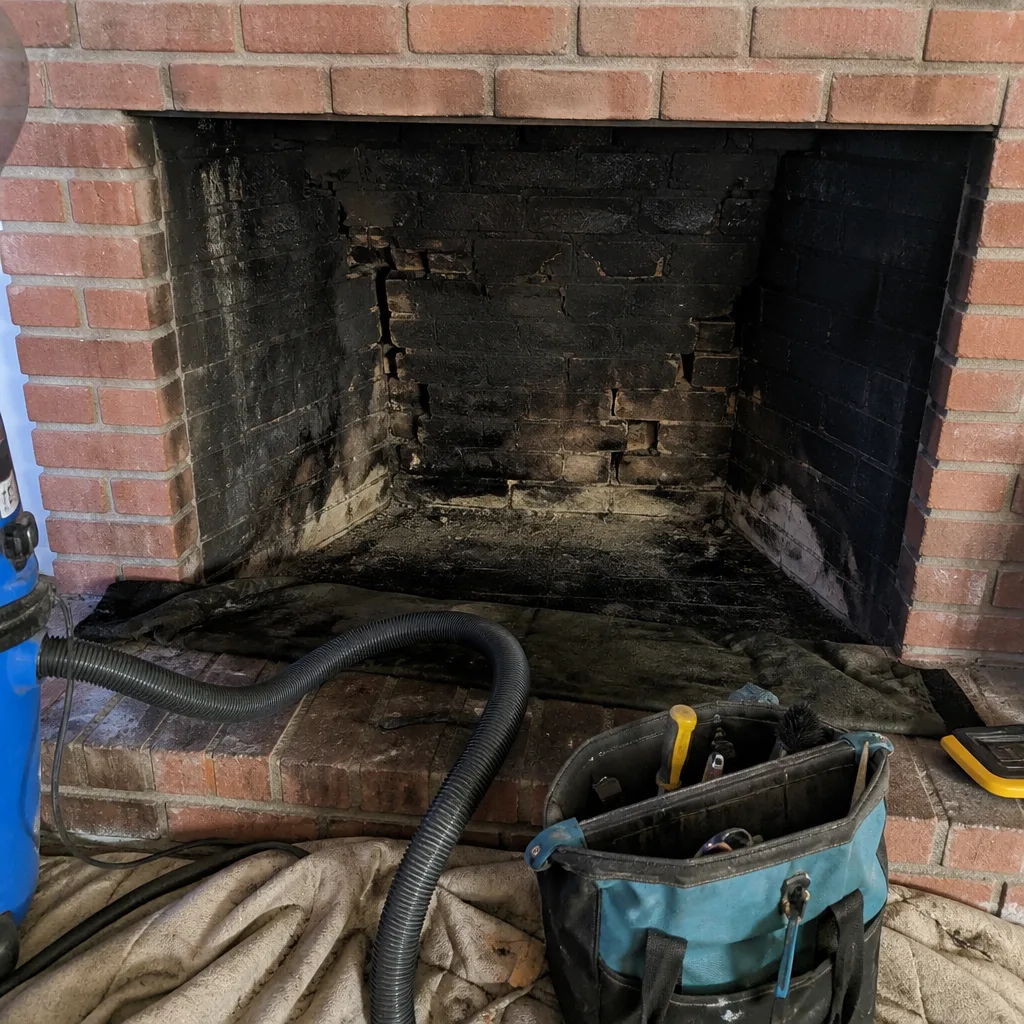 Before
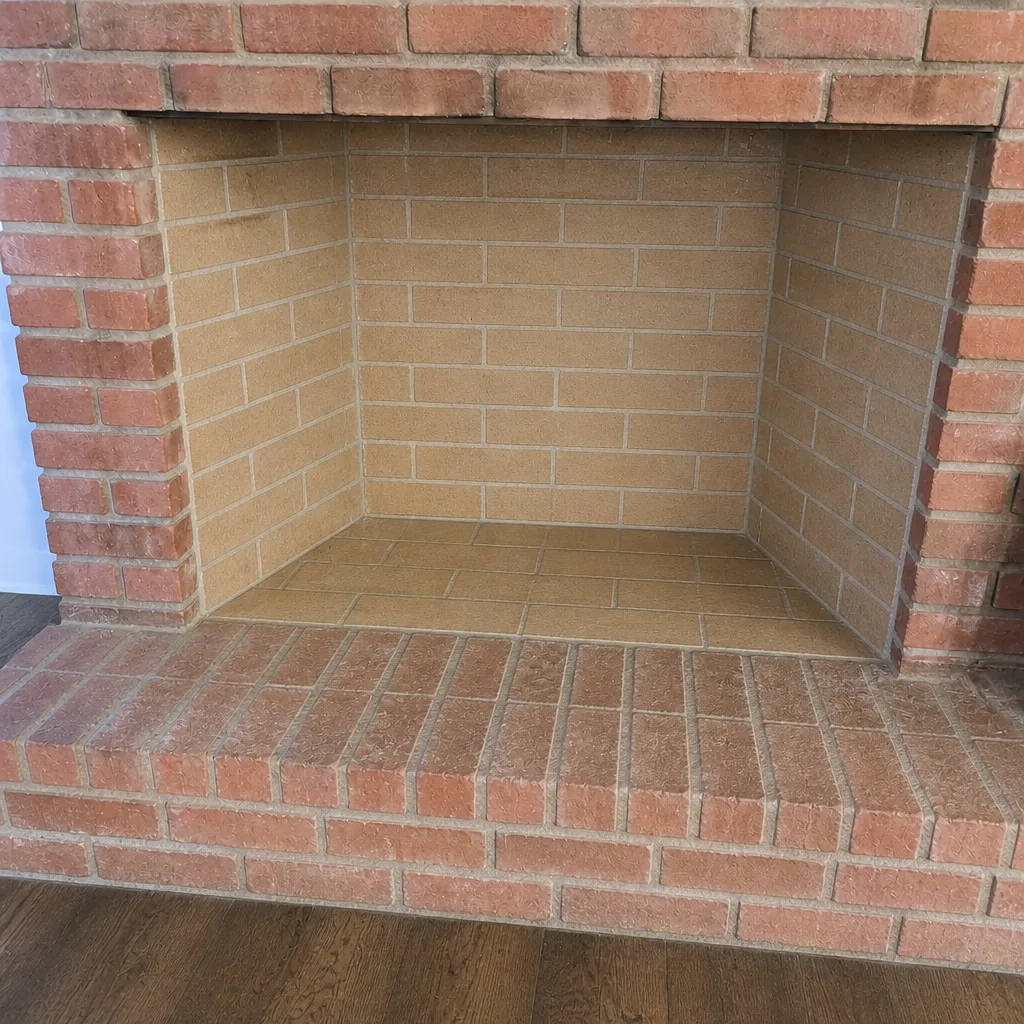 After
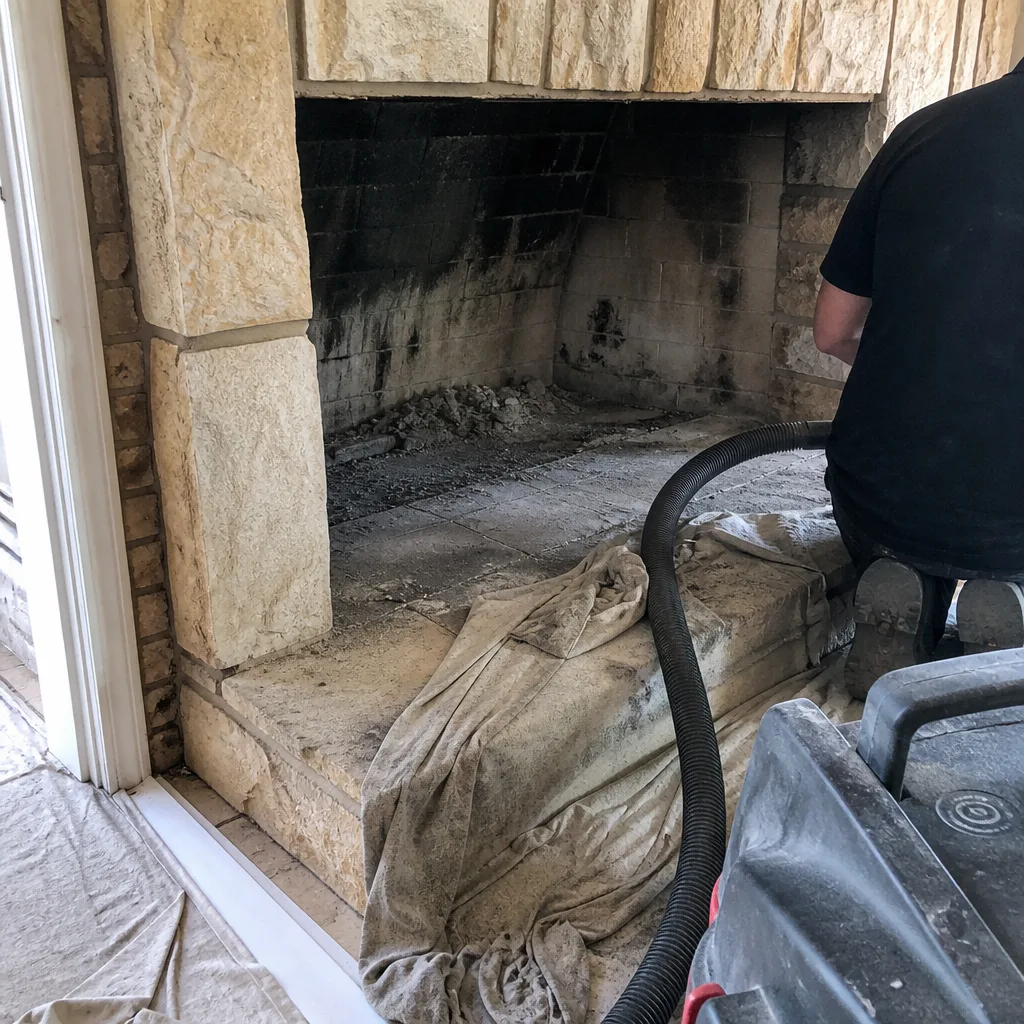 Before
 After
 Before
 After
When to Call a Professional
Some situations need a technician rather than a self-check. Call if smoke backs into the room when you light a fire, if you smell a strong creosote odor when the fireplace is cold, if the damper sticks or won’t close, if you see cracks in the crown or mortar joints, or if you’ve inherited a chimney with unknown history. Call if you spot a nest or animal activity in the flue, or if it’s been more than a year since the last documented inspection. Carbon monoxide symptoms in a home with a fireplace warrant a professional visit immediately. Mission Viejo Chimney Sweep Pros offers free estimates in Mission Viejo. Call (844) 443-3825. We answer 24/7. Fast dispatch from 7am to 7pm, Sunday through Friday.
Frequently Asked Questions
At least once a year, and ideally twice a year: an inspection after the burning season and a sweep before the next fire season. Mission Viejo’s long idle season lets creosote harden and debris accumulate, so an annual sweep timed to early fall is the minimum for a wood-burning fireplace. Call (844) 443-3825 to book a sweep and get an exact estimate.
Sweeping removes creosote and debris from the flue; inspection evaluates the whole system, including the liner, crown, cap, damper, and firebox, and documents condition. A swept chimney and a safe chimney aren’t always the same thing. We offer inspection as a standalone service so you get findings before any repair is discussed. Call (844) 443-3825 for a free estimate.
No. Even occasional use builds creosote, and the idle season adds debris and possible animal intrusion. A low-use chimney often has a different problem than a heavily used one: it accumulates in the flue and sits there. The annual sweep is what keeps the system predictable. Call (844) 443-3825 to schedule.
A strong creosote smell when the fireplace is cold, smoke backing into the room, a weak or reduced draft, and visible dark buildup on the flue walls during inspection are the common signs. The only way to assess creosote level and stage safely is a professional look. Call (844) 443-3825 for a documented inspection.
Only a camera inspection confirms whether a liner is sound. Signs that point toward a liner assessment include a strong creosote smell, smoke backdrafting, visible deterioration, or a chimney with unknown history. If a liner does need work, HeatShield resurfacing and DuraFlex liners are the professional-grade options we work with. Call (844) 443-3825 to get the findings first.
It starts with a documented assessment of your chimney’s condition, so you know what we found before we recommend anything. Findings come in writing with photos where relevant, and any estimate is set per job by the written estimate. Call (844) 443-3825. We answer 24/7. Fast dispatch from 7am to 7pm, Sunday through Friday.
The Bottom Line
A chimney maintenance checklist for Mission Viejo has to match Mission Viejo’s climate, not a cold-weather template. The core items are simple: inspect after the burning season, sweep and prepare before fire season, exclude animals in spring, watch the crown and mortar through the hot, dry summer, and document everything year over year. Everything you can check yourself is worth checking. Everything you can’t needs a technician and a written report. Do that and your chimney stays predictable, your family stays safe, and you’re never caught off guard by a repair you didn’t see coming. When you’re ready, we’re here to help. Call (844) 443-3825 for a free estimate. We answer 24/7. Fast dispatch from 7am to 7pm, Sunday through Friday.
Written by the team at Mission Viejo Chimney Sweep Pros.