
Last updated November 25, 2026
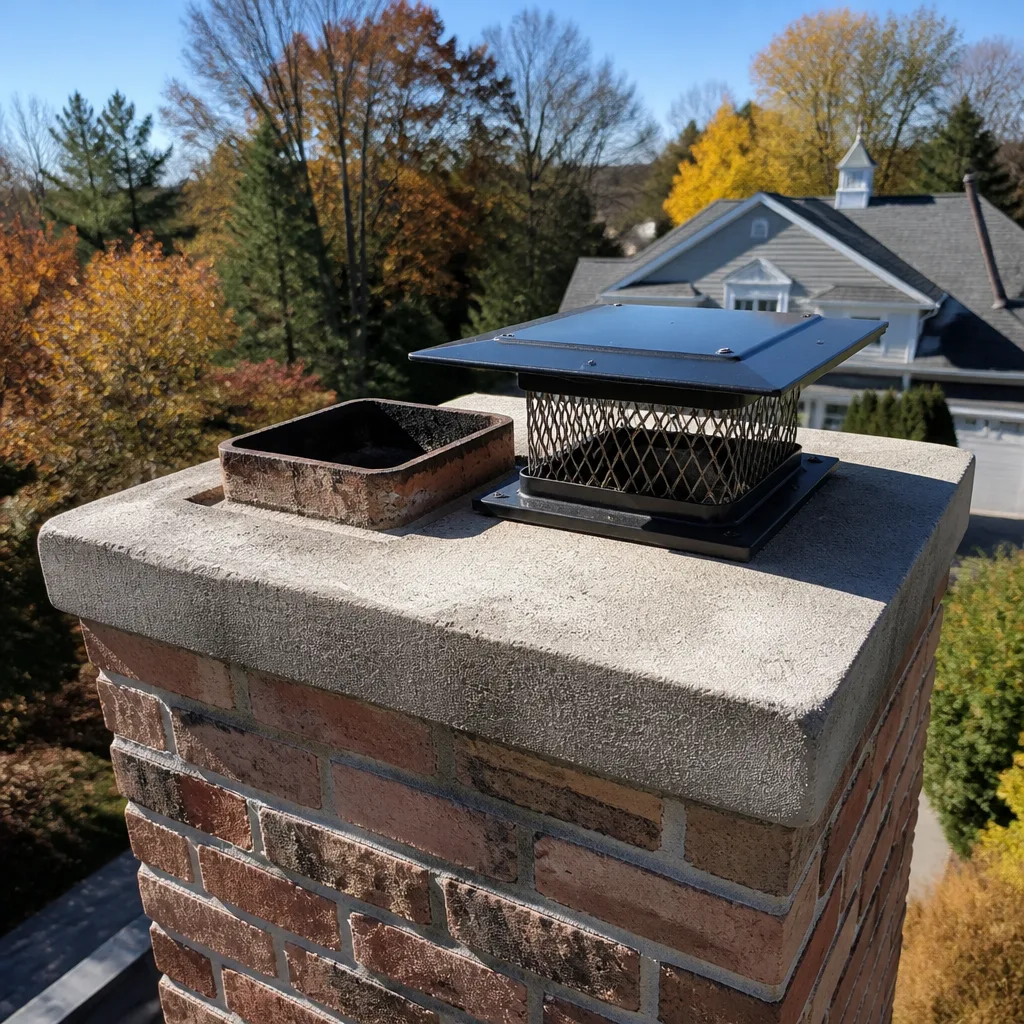 Sweep & inspection
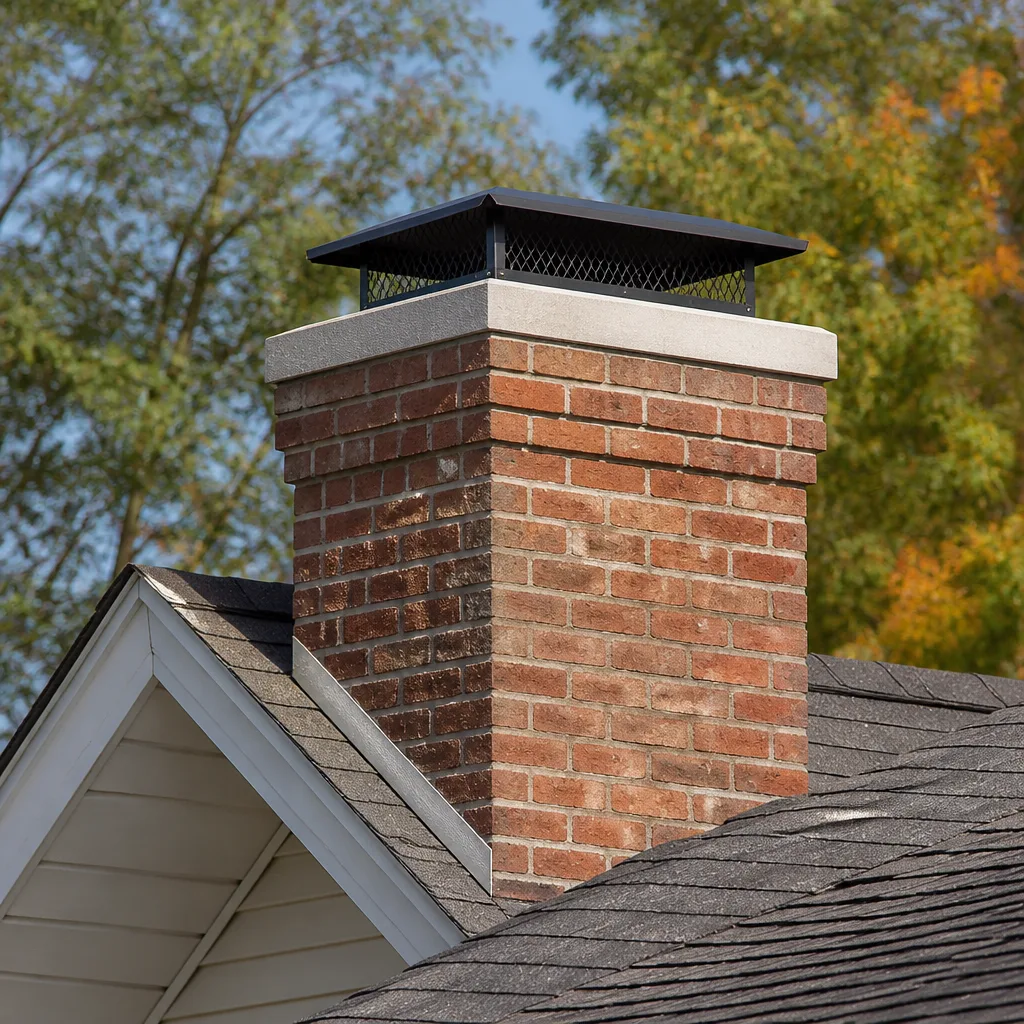 Caps & crowns
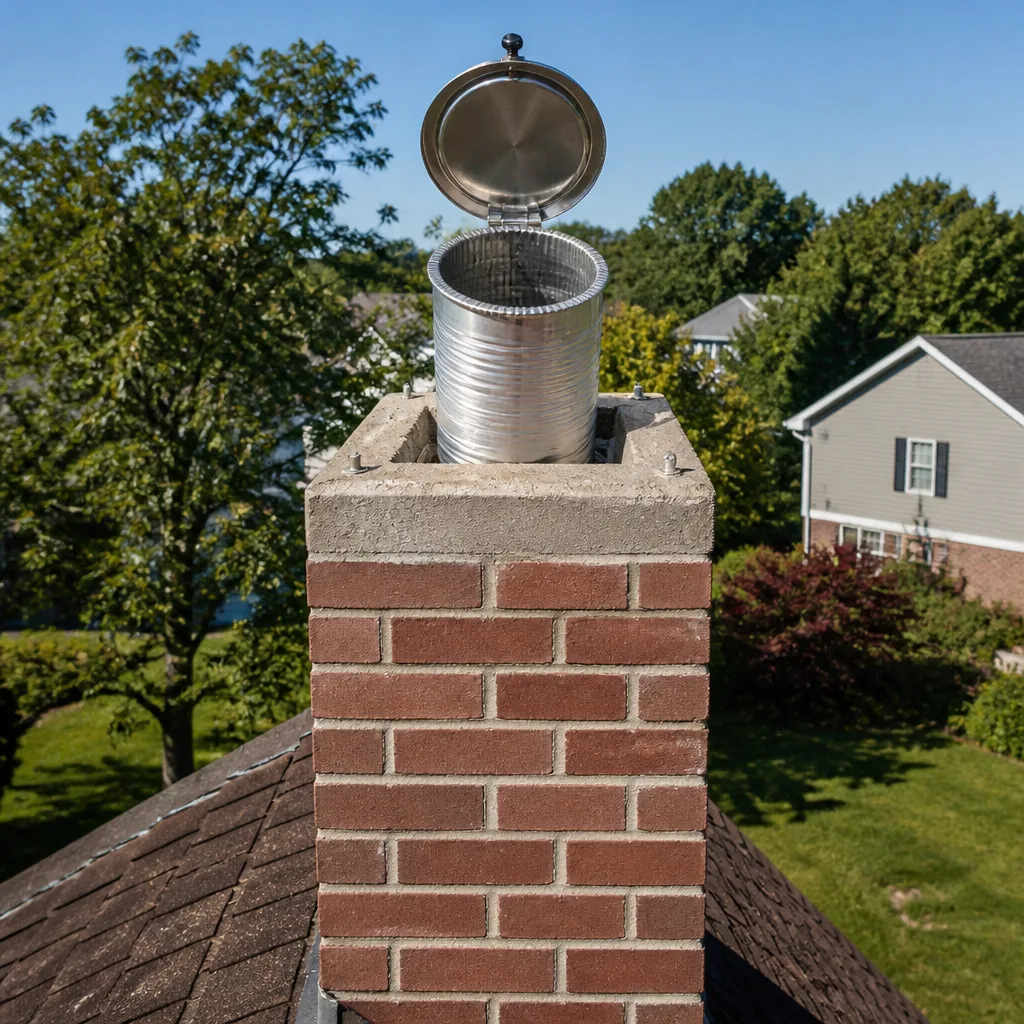 Flue relining
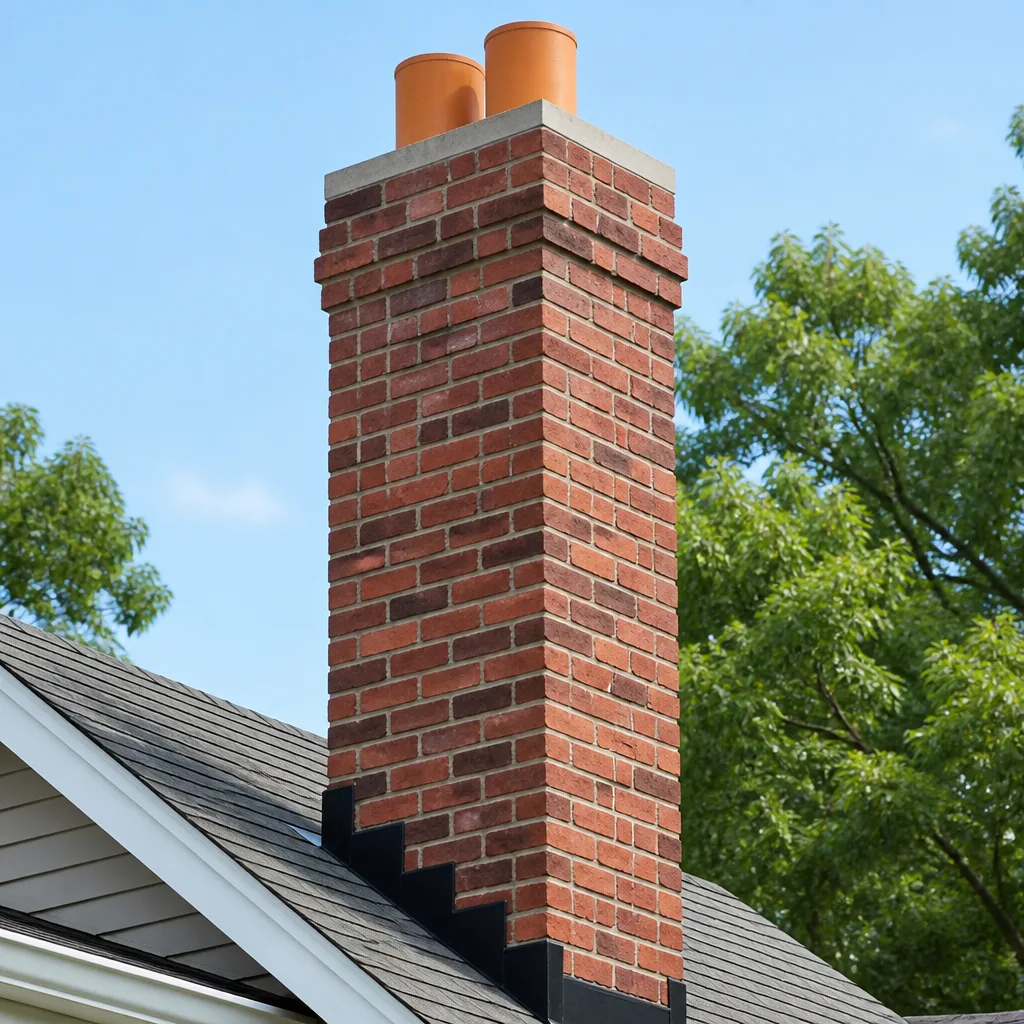 Masonry repair
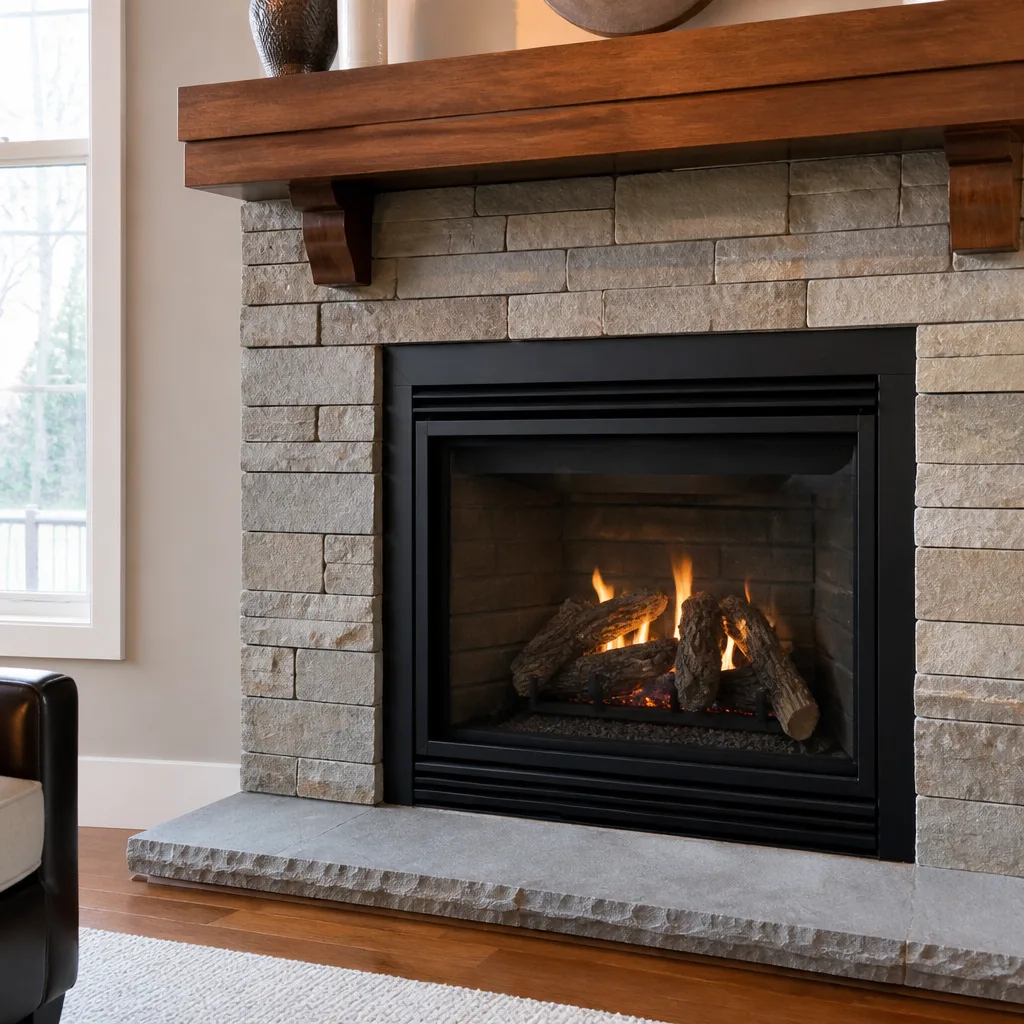 Gas fireplace service
Level 1 sweep and inspection to the NFPA 211 annual standard - flue, crown, cap, and flashing checked and photographed
Chimney sweep logs do not sweep chimneys. They loosen some creosote - which then falls where a brush and vacuum still have to collect it.
DIY vs Professional Chimney Cleaning: The Mission Viejo Homeowner’s Decision Guide
A chimney brush kit costs less than a tank of gas, and it will scrape loose soot off the inside of your flue. What it cannot do is tell you whether the fire you lit last winter was venting into your living room or into the wall cavity behind the brick. That gap between cleaning and diagnosing is the whole conversation, and it’s the one most DIY guides skip. In this guide we’ll break down exactly what a homeowner can safely handle, what tools and protections a real DIY sweep demands, which three conditions make DIY the wrong call no matter your skill, and how to get more out of a professional visit by doing your own homework first. Mission Viejo fireplaces don’t get the workout they would in a colder climate, and that low-use pattern hides problems rather than preventing them.
Quick Answer
DIY chimney cleaning can remove surface soot and creosote from an accessible flue, and it’s a reasonable option for a light-use fireplace that has been inspected and found sound. It cannot assess flue liner integrity, crown condition, or damper function, which are the parts that determine whether the fireplace is safe to burn. For most Mission Viejo homeowners, a professional sweep plus a documented inspection is the only way to know what you actually have.
Styles & brands we work with
- Sweep & inspection
- Caps & crowns
- Flue relining
- Masonry repair
- Gas fireplace service
Table of Contents
- What DIY Chimney Cleaning Can Actually Accomplish
- What DIY Cleaning Cannot Tell You
- Why Low-Use Chimneys in Mission Viejo Hide Structural Problems
- The Real Toolkit: Brushes, PPE, and Disposal
- Three Conditions Where DIY Is Never Appropriate
- Using a DIY Visual Inspection to Prepare for a Pro
- DIY vs Professional: A Task-by-Task Comparison
- Common Mistakes to Avoid
- When to Call a Professional
- Frequently Asked Questions
What DIY Chimney Cleaning Can Actually Accomplish
A homeowner with the right brush and a free afternoon can genuinely accomplish a few things. It’s worth being honest about them, because the case for professional service isn’t that DIY is useless. It’s that DIY is a narrower tool than the internet makes it out to be.
Here’s what a careful DIY cleaning can realistically do:
- Remove light soot and soft creosote from a straight, accessible flue using a correctly sized polypropylene brush.
- Clear a minor bird nest or leaf blockage near the top of an open flue, if you can reach it safely from the roof or through a top-mounted access.
- Knock down surface buildup on the firebox walls and smoke shelf with a hand brush.
- Vacuum loose ash from the firebox floor once the firebox is fully cool.
- Wipe soot film off the firebox surround and glass doors.
What all of those tasks have in common: they’re visible, surface-level, and reversible. None of them require a judgment call about the condition of the chimney system itself. In our experience, that’s where the DIY conversation usually breaks down. The homeowner thinks they’ve cleaned the chimney; what they’ve actually done is clean the part of the chimney they can see. The flue liner, the damper assembly, the smoke chamber, and the crown are all still unknown.
For a Mission Viejo homeowner with a gas fireplace insert or a wood-burning fireplace that sees maybe a dozen fires a season, a light DIY pass on visible soot is not going to hurt anything, provided the system has already been inspected and cleared. The key phrase is “provided it’s been inspected.” A DIY cleaning is not a substitute for that baseline.
What DIY Cleaning Cannot Tell You
This is the part of the decision that rarely makes it into the DIY conversation, and it’s the part that matters most for your family’s safety. A brush removes soot. It does not evaluate the system. Those are different jobs.
Here’s what a homeowner sweep leaves unexamined:
- Flue liner integrity. Terra cotta tiles can develop hairline cracks that vent combustion gases into the surrounding masonry and wall cavity. You can’t see a hairline crack from the firebox with a flashlight; you need a camera run down the flue with proper lighting, and the training to interpret what you’re seeing.
- Crown condition. The concrete crown at the top of the chimney sheds water away from the masonry. A cracked or spalling crown lets water straight into the structure, and the damage happens slowly and invisibly from the top down.
- Damper function. A damper that no longer seals properly wastes heat up the flue when the fireplace is cold, and a damper that’s stuck partly open can let smoke back into the room. You need to see it operate, not just look at it.
- Smoke chamber shape. The smoke chamber above the damper is where a lot of performance problems live, and it’s the hardest part of the system to see without a camera.
- Creosote stage. Soft, flaky creosote brushes away. Glazed, tar-like creosote (the dangerous kind) doesn’t come off with a homeowner brush and needs professional treatment before you burn again.
- Chimney cap and top-seal. The cap and crown are where most water damage starts. A cracked cap or missing screen is a preventive fix if you catch it early and an expensive repair if you don’t.
None of this is meant to scare anyone off the ladder. It’s meant to be clear about the boundary: DIY cleans. Professional service inspects. A swept chimney and a safe chimney aren’t always the same thing, and inspection is what tells you which one you have.
Why Low-Use Chimneys in Mission Viejo Hide Structural Problems
Mission Viejo winters are mild, which is exactly the reason local chimney problems tend to hide. In a cold-weather climate, homeowners burn frequently through the winter and get a lot of feedback from their system. Smoke rolls into the room, the fire struggles, the creosote builds up quickly. In Mission Viejo, a fireplace might run a few evenings a year, and a system with a developing issue just doesn’t get the use that would reveal it.
What that means in practice:
- Slow-developing liner cracks go unnoticed because the fireplace isn’t run often enough to produce obvious symptoms. A small crack may not vent enough carbon monoxide to make anyone feel sick, but it’s still a pathway that shouldn’t exist.
- Crown and cap deterioration accumulates between burns. The top of the chimney is exposed to sun, rain, and the temperature swing between warm days and cool nights year-round, whether or not the fireplace runs.
- Inherited chimneys get assumed safe. Mission Viejo has a lot of homes that have changed hands, and the previous owner’s burning habits, cleaning history, and repair record don’t always travel with the property. A chimney can look perfectly normal from the living room and have a decade of deferred maintenance behind it.
- Gas fireplace inserts mask problems. A vented gas insert looks clean and burns without smoke, but the flue, liner, and termination still have to be evaluated for proper venting and condition. Gas fireplaces are not maintenance-free.
- Seasonal transitions catch homeowners off guard. The first cool evening of the year is a bad time to discover the damper won’t move. Booking a sweep and inspection before burning season avoids that surprise.
If you own or are buying a Mission Viejo home with a fireplace and you don’t have documented inspection history, an inspection is the starting point, not a cleaning. That’s the diagnosis-first approach that a full-system chimney specialist takes, and it’s the reason we treat inspection as a standalone offering. You should be able to get a written report on what your chimney actually needs before you commit to any repair.
The Real Toolkit: Brushes, PPE, and Disposal
If you’ve read this far and still want to handle a light cleaning yourself, you deserve an honest list. A lot of DIY guides leave out the parts that turn a $40 brush kit into a $200 project and a weekend of cleanup. Here’s what a legitimate DIY chimney cleaning actually requires.
Tools
- Correctly sized chimney brush (polypropylene for a metal flue, wire for terra cotta, sized to the exact flue dimension). An undersized brush skips the corners; an oversized brush jams.
- Rods or a weighted pull ring long enough to reach the full flue run from the top down, with the brush able to articulate through any offset.
- A proper chimney drop cloth or plastic sheeting taped across the firebox opening, plus painter’s tape at the seams, to keep soot out of the room.
- A HEPA-rated shop vacuum (not a household vacuum, which will redistribute fine soot through the room).
- A bright headlamp and a handheld mirror for looking up the flue from the firebox.
- Sturdy work gloves and eye protection rated for fine dust.
PPE
- N95 or better respirator rated for fine particulate. Soot and creosote dust are the primary hazard on a cleaning job.
- Sealed safety glasses rather than open safety glasses, so soot doesn’t drop into the eye from above.
- Long sleeves and a hat you don’t mind throwing away after the job.
Disposal
Soot and creosote need to go out in a sealed heavy-duty bag, not shaken into the kitchen trash. Sweep the firebox and the drop cloth into the bag while the vacuum is running, tape the bag shut, and dispose of it with household waste. Don’t wash soot down a drain, and don’t store the bag in a warm garage where the creosote smell can migrate into the house.
One more thing worth saying plainly: the biggest risk in a DIY job isn’t the soot. It’s the ladder and the roof. Getting to the top of a chimney safely on a sloped or aging roof takes equipment and experience most homeowners don’t have. If you’re not fully confident in the roof access, stop there and book the professional.
Three Conditions Where DIY Is Never Appropriate
There are three chimney conditions where DIY cleaning is the wrong answer no matter how experienced or careful the homeowner is. In each case the risk isn’t that the cleaning will be insufficient. It’s that cleaning without inspection will hide what needs to be addressed.
- After a chimney fire. Even a small chimney fire can damage the flue liner, distort metal components, and crack the smoke chamber in ways you cannot see from below. Burning again after an unassessed chimney fire is a serious risk, and the liner needs a professional evaluation with a camera before the fireplace is used again. If you suspect you’ve had one (a loud roar, a popping sound, or a puff of black smoke at the top), stop burning and book an inspection.
- Visible structural cracking. Cracks in the firebox brickwork, crumbling mortar joints inside the firebox, a crack in the crown, or a rusted damper assembly all point to problems that need a trained eye. Cleaning around them and continuing to burn is the wrong response; diagnosing and repairing the cause is the right one. Any masonry that holds fire or vents combustion gas should be assessed by a professional before use.
- Flue liner uncertainty. If you don’t know the age or condition of your liner, or you can’t confirm that it’s continuous and undamaged, you’re in the “don’t burn until it’s assessed” category. A camera inspection answers the question in one visit. Guessing that “it’s probably fine” is how liner cracks keep venting combustion gases into a wall cavity across multiple winters.
Carbon monoxide is the other reason to take liner uncertainty seriously. An intact flue liner is the barrier that keeps combustion gases on their way up and out of the house. A crack in that barrier is a pathway you can’t smell, see, or detect without the right equipment. We don’t say that to alarm anyone; we say it because the barrier is the whole point of the liner, and it’s the part DIY cleaning has the least chance of evaluating.
Using a DIY Visual Inspection to Prepare for a Pro
Here’s a way to make a professional visit dramatically more valuable: do a careful visual pass yourself first, take notes, and bring those notes to the appointment. You’re not doing the inspection; you’re giving the technician a head start on the diagnosis.
Here’s a step-by-step pre-visit walkthrough you can do safely, without tools beyond a flashlight and a camera:
- Look inside the firebox. Note anything obvious: crumbling mortar between the bricks, cracks in the firebrick, discoloration patterns, or whitish efflorescence (which can point to water intrusion). Take photos.
- Operate the damper. Open and close it fully. Note any binding, sticking, or play in the handle. If it doesn’t seal, that’s a fact worth reporting.
- Look up the flue from the firebox with a flashlight. You won’t see the full flue, but you can see the first run and any obvious buildup. If you see shiny, tar-like deposits rather than powdery flakes, stop and note it, since glazed creosote needs professional treatment.
- Step outside and look at the top of the chimney from the ground. Binoculars help. Look for a missing or damaged cap, a cracked crown, spalling brickwork at the top, or anything that looks off in the mortar.
- Check the exterior around the chimney on the interior side of the wall (if your chimney runs along a wall) for water staining or discoloration. That’s a signal the exterior needs a closer look.
- Write down the history you know. When was it last cleaned? Who lived here before? Have you ever had smoke roll back into the room? Any roof work done recently? The technician can use all of it.
When you book, share those notes and photos. A professional who can go straight to the areas you flagged spends less time on discovery and more time on diagnosis and repair recommendations. Our Mission Viejo Chimney Sweep Pros team can work from your notes, then document what we find with our own camera inspection. You’ll see the same footage we use to reach a conclusion, and we don’t recommend repair until we’ve documented the cause.
DIY vs Professional: A Task-by-Task Comparison
Here’s the decision laid out task by task. The right answer isn’t the same for every line.
- Brush loose soot from an accessible flue: DIY possible on a system already inspected and cleared; professional sweep is more thorough and includes proper containment.
- Clear a bird nest or leaf blockage: DIY possible if the top of the chimney can be safely reached; professional sweep is safer on any chimney with roof access issues.
- Evaluate flue liner condition: professional only. Requires a camera inspection and interpretation.
- Evaluate crown and cap condition: professional inspection. Cap and crown repair uses rated components such as Gelco and Famco.
- Diagnose smoke rollback or draft issues: professional only. These are pressure, smoke chamber, or liner problems, not cleaning problems.
- Repair a cracked firebox or damper: professional only, and a chimney repair or fireplace repair scope rather than a cleaning.
- Relining a damaged flue: professional only. This is a specialty repair for a full-system chimney specialist, not a generalist.
- Annual pre-season check: professional sweep and inspection is the standard. DIY doesn’t replace the documentation.
The pattern is clear when it’s laid out that way. Cleaning is on the line where DIY can compete. Everything that determines whether the chimney is safe to burn belongs to the professional. And because a damaged liner or crown can look fine from inside the living room, the inspection is what makes the cleaned chimney safe, not the cleaning itself.
Common Mistakes to Avoid
- Assuming the fireplace is fine because it looks fine from inside. The most consequential issues (liner cracks, crown damage, glazed creosote) are invisible from the firebox, and a clean-looking firebox says nothing about the flue above it.
- Burning a Mission Viejo fireplace a few times a year without an inspection history. Low use doesn’t mean low risk; it means structural problems have more time to develop between the fires that would reveal them.
- Skipping a camera inspection to save a step. A sweep without inspection is a cleaning without a diagnosis, and you don’t actually know whether the chimney is safe to use afterwards. Ask specifically for documented findings.
- Ignoring the top of the chimney. The cap and crown are where most water damage begins in the Mission Viejo area. It’s a preventive repair if caught early and an expensive masonry job if left.
- Using the wrong brush on the wrong flue. A wire brush on a metal liner or a polypropylene brush on a heavy terra cotta buildup under-cleans at best and damages at worst. The brush has to match the flue.
- Cleaning after a suspected chimney fire and burning again without inspection. Chimney fire damage to the liner can be invisible from below, and continuing to burn is a genuine risk. Inspection before the next fire is mandatory.
- Booking a sweep from a low-bid operator without asking what the visit includes. “We’ll come sweep it” is not a diagnostic service. The right question is, “Do you camera-inspect and do I get documented findings?” If the answer is no, that’s not the right provider for a system you can’t verify yourself.
If you’ve inherited a home or a chimney with an unknown history, the annual chimney sweep and inspection are the two visits that build the record you don’t currently have. That record matters for insurance, for resale, and most of all for the family sitting in front of the fire.
When to Call a Professional
Call a professional if you’ve never had a documented inspection of the chimney, if you’ve had a chimney fire (even a small one), if you see cracking in the firebox or crown, if smoke has ever rolled back into the room, if the damper is stuck or won’t seal, or if you’re buying a Mission Viejo home with a fireplace and the seller can’t produce inspection history. Also call if the flue hasn’t been swept in recent memory, or you can’t confirm when it was. Any of those is a signal to stop guessing and get a diagnosis. Mission Viejo Chimney Sweep Pros offers free estimates in Mission Viejo, and our inspection comes with documented findings, not a verbal estimate you have to take on faith. Call (844) 443-3825. We answer 24/7. Fast dispatch from 7am to 7pm, Sunday through Friday.
When a repair is needed, a full-system specialist handles the whole system from firebox to crown, using professional-grade materials such as DuraFlex liners, HeatShield resurfacing for liner repair where the existing flue can be renewed rather than replaced, and Famco cap components rated for long-term weather resistance. The same company that inspects also performs the chimney repair, so there’s no handoff and no finger-pointing if something needs a second look. Fireplace-side issues (damper, firebox masonry, doors) are handled with fireplace repair.
Frequently Asked Questions
You can clean a light-soot chimney yourself if it has been professionally inspected and found sound, but you cannot safely evaluate the liner, crown, or damper on your own. DIY cleans surface buildup; it doesn’t diagnose the system. A chimney that has been inspected and cleared can be maintained with a careful DIY sweep between professional visits, but it should never be assumed safe without that baseline inspection.
A sweep removes soot and creosote. An inspection evaluates the condition of the system (liner, crown, cap, damper, smoke chamber) and documents what it finds. A mission-critical distinction: a swept chimney and a safe chimney aren’t always the same thing. The sweep is cleaning; the inspection is diagnosis. We offer both, and we recommend the inspection be the starting point for any chimney with unknown history.
You can end up with a clean fireplace that still has a cracked liner, a compromised crown, or a damper that doesn’t work. None of those will be visible from the firebox, and a Mission Viejo fireplace that burns a few times a year may not produce obvious symptoms even when something is wrong. The real risk isn’t the soot; it’s assuming the system is fine because the visible part looks fine.
Yes. A vented gas insert still has a flue, a termination, and a vent system that need to be evaluated for proper venting and condition. Gas fireplaces don’t produce the same volume of creosote as wood, but they aren’t maintenance-free. The venting pathway is the safety-critical part, and an inspection confirms it’s clear, connected properly, and in good condition.
Ask what the visit actually includes. A full-system specialist should camera-inspect, document findings, and be able to repair what the inspection reveals (sweep, inspection, fireplace repair, chimney repair, and cap and crown installation). A sweep-only operator cleans and leaves. For a chimney you can’t verify yourself, the diagnostic capability is the value, and it’s how you avoid being told you need repair work without evidence to support it.
Walk the firebox and the damper yourself, look at the top of the chimney from the ground with binoculars, and write down anything that looks off along with any history you have (last cleaning, previous owners’ burning habits, smoke rollback events). Then share those notes when you book. It helps the technician target the visit, and it means you’ll get a better diagnosis out of the same appointment. Call (844) 443-3825 for a free estimate. We answer 24/7. Fast dispatch from 7am to 7pm, Sunday through Friday.
The Bottom Line
The DIY versus professional debate isn’t really about cost. It’s about diagnostic capability. A homeowner with the right brush can remove soot from a flue they can reach. Only a professional can tell them whether that flue is lined, whether the crown is going to keep water out of the masonry for another season, and whether the fireplace is safe to burn. In a mild-winter place like Mission Viejo, where fires are occasional and structural problems hide between seasons, that diagnosis is the whole product. Clean the chimney if it’s been inspected. Inspect it before you trust it. And if you’ve inherited a fireplace with an unknown history, start with a documented inspection, not a brush kit. Written by the team at Mission Viejo Chimney Sweep Pros.
Call Mission Viejo Chimney Sweep Pros at (844) 443-3825 for a free estimate. We answer 24/7. Fast dispatch from 7am to 7pm, Sunday through Friday. Our technicians have up to 10 years of experience, and we work with professional-grade brands such as Copperfield, HeatShield, and Olympia Chimney, not hardware-store substitutes.
Written by the team at Mission Viejo Chimney Sweep Pros.
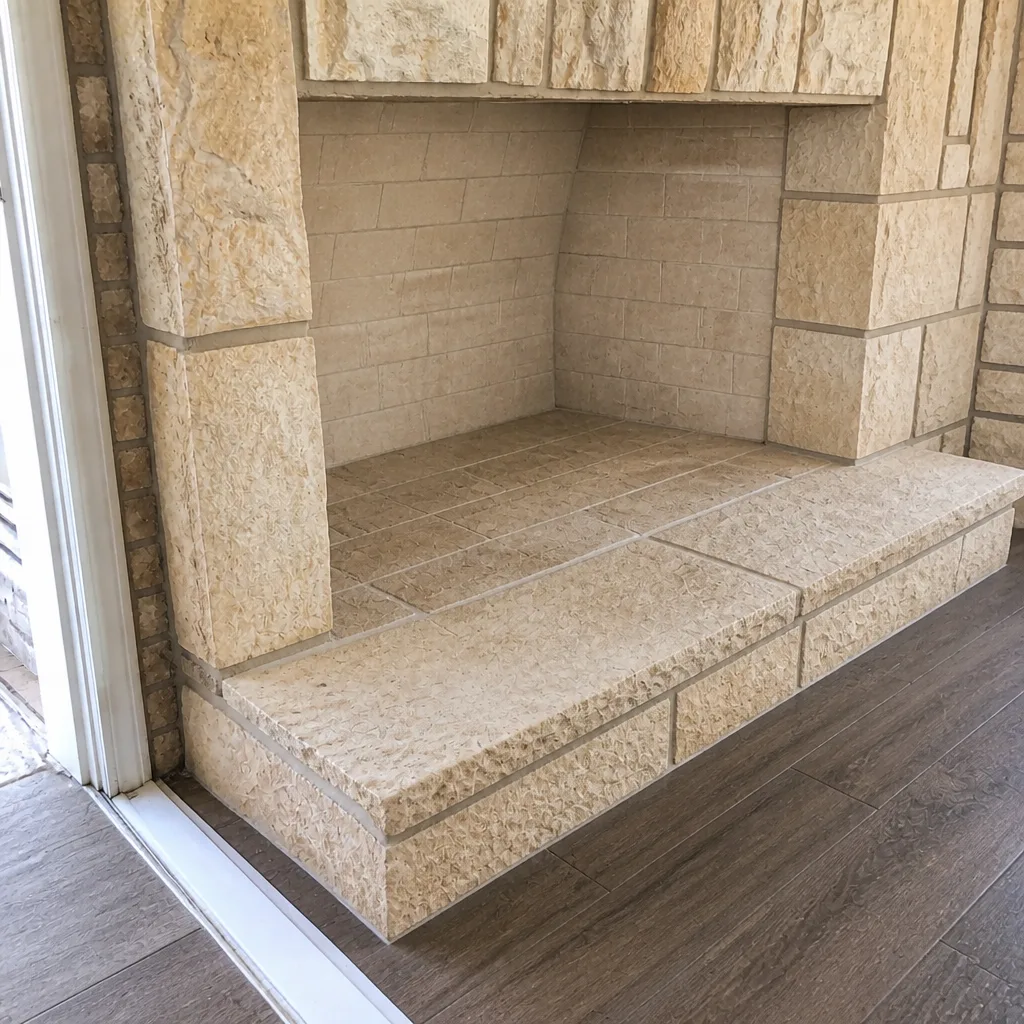
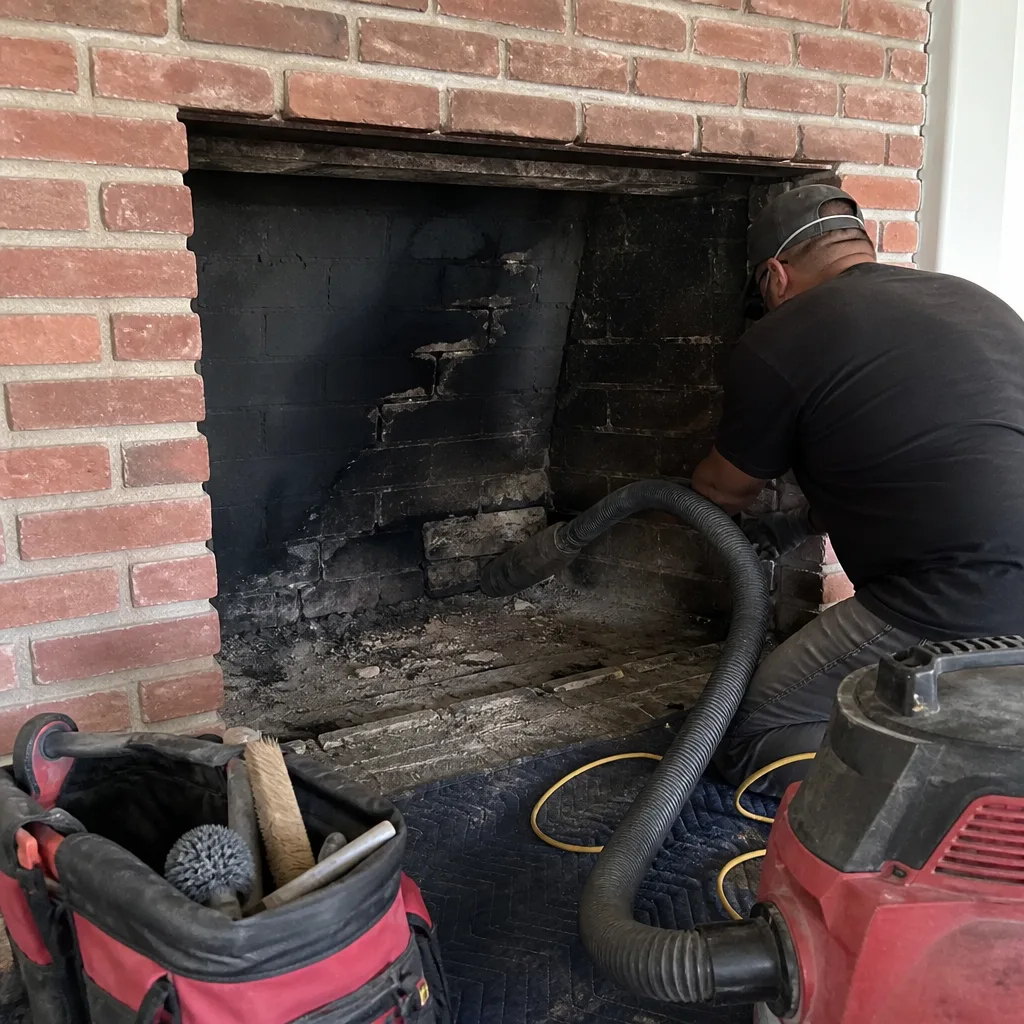
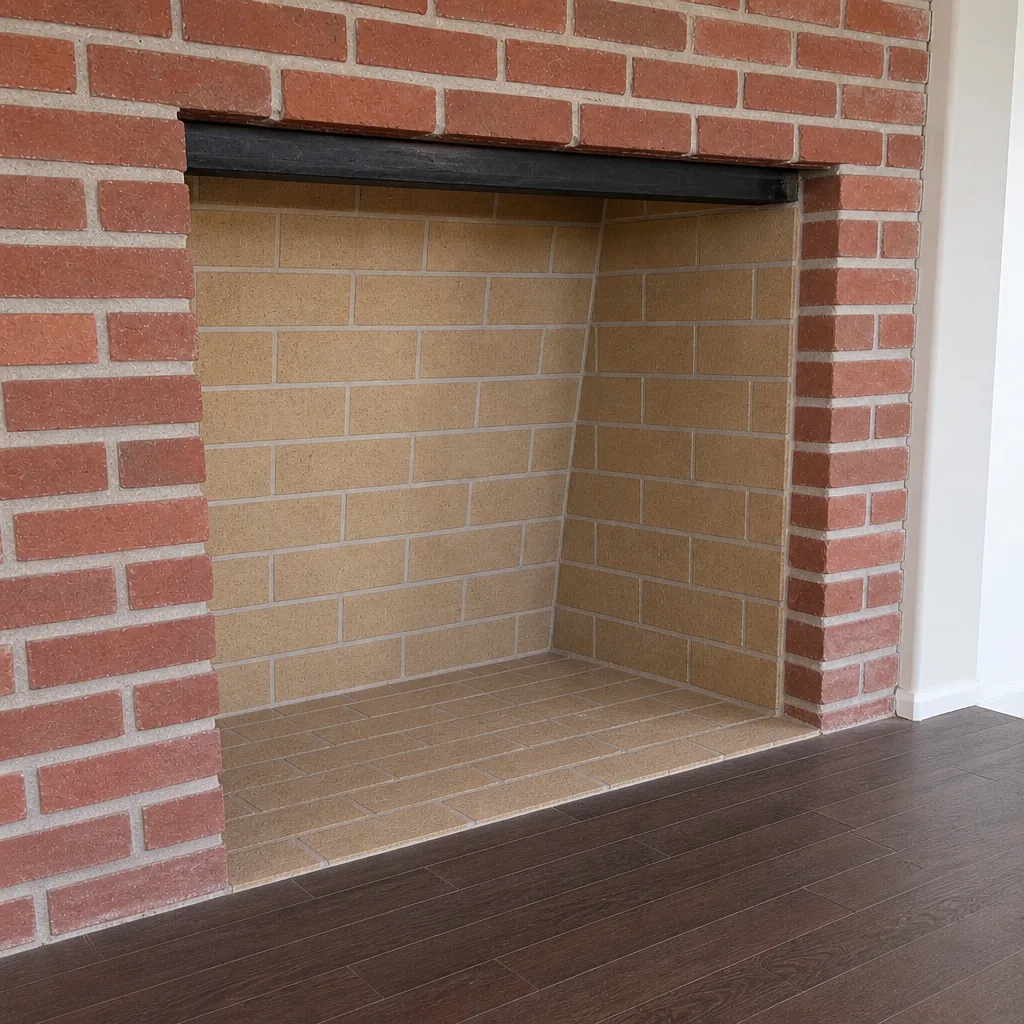
See the difference
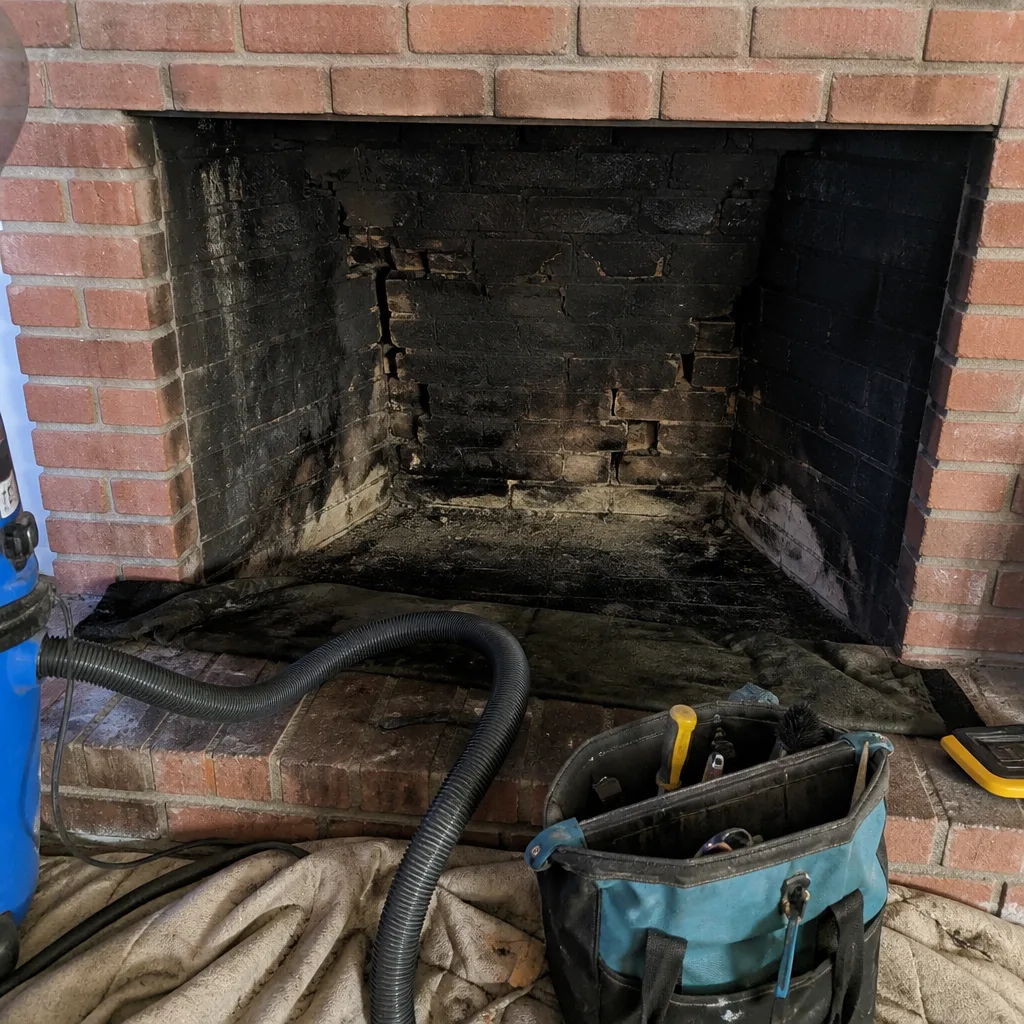 Before
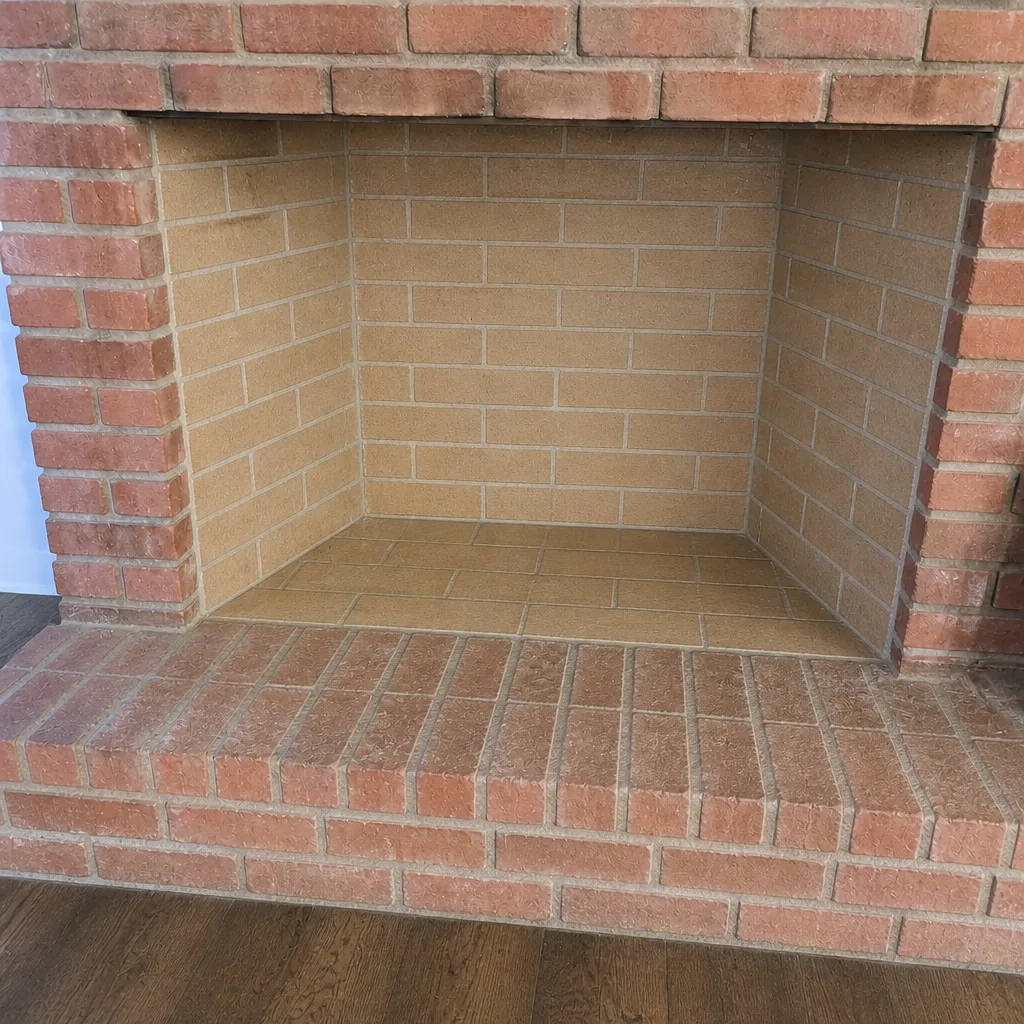 After
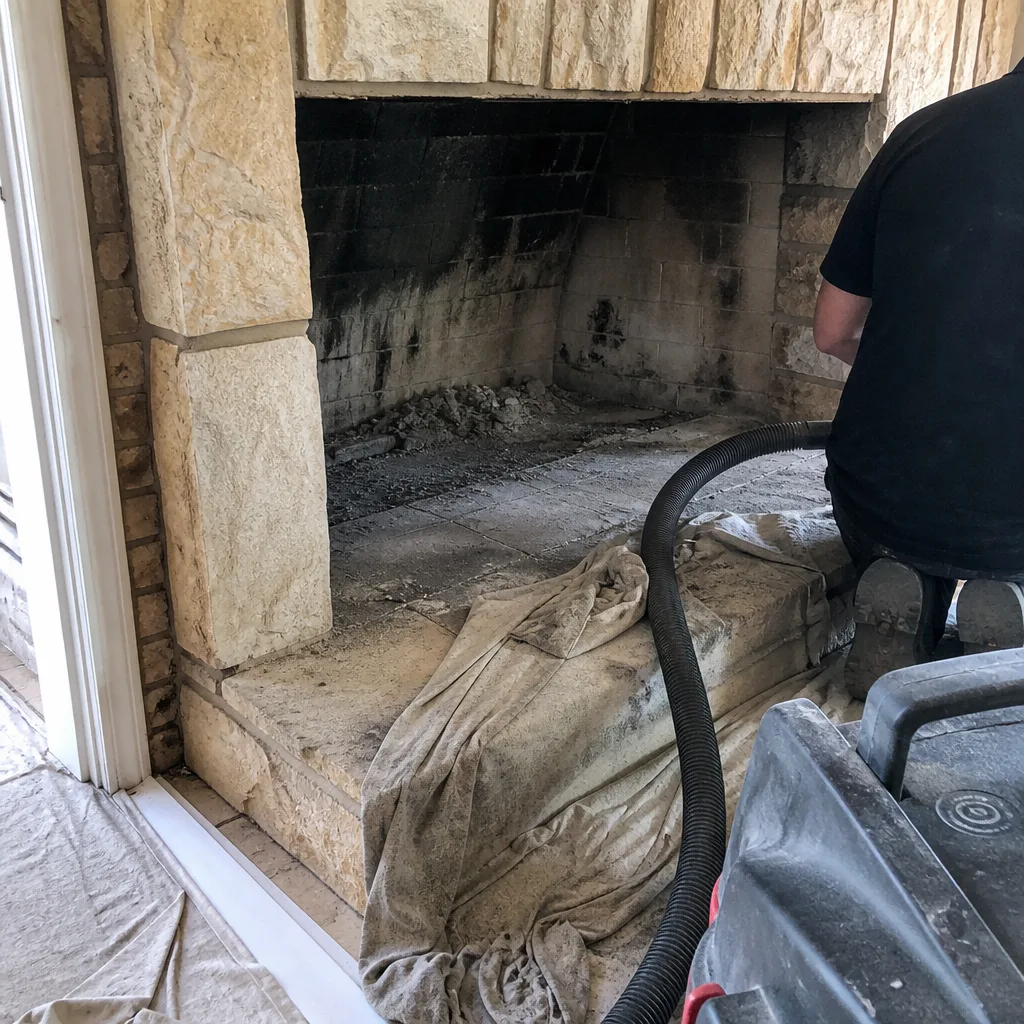 Before
 After
 Before
 After