
Last updated November 25, 2026
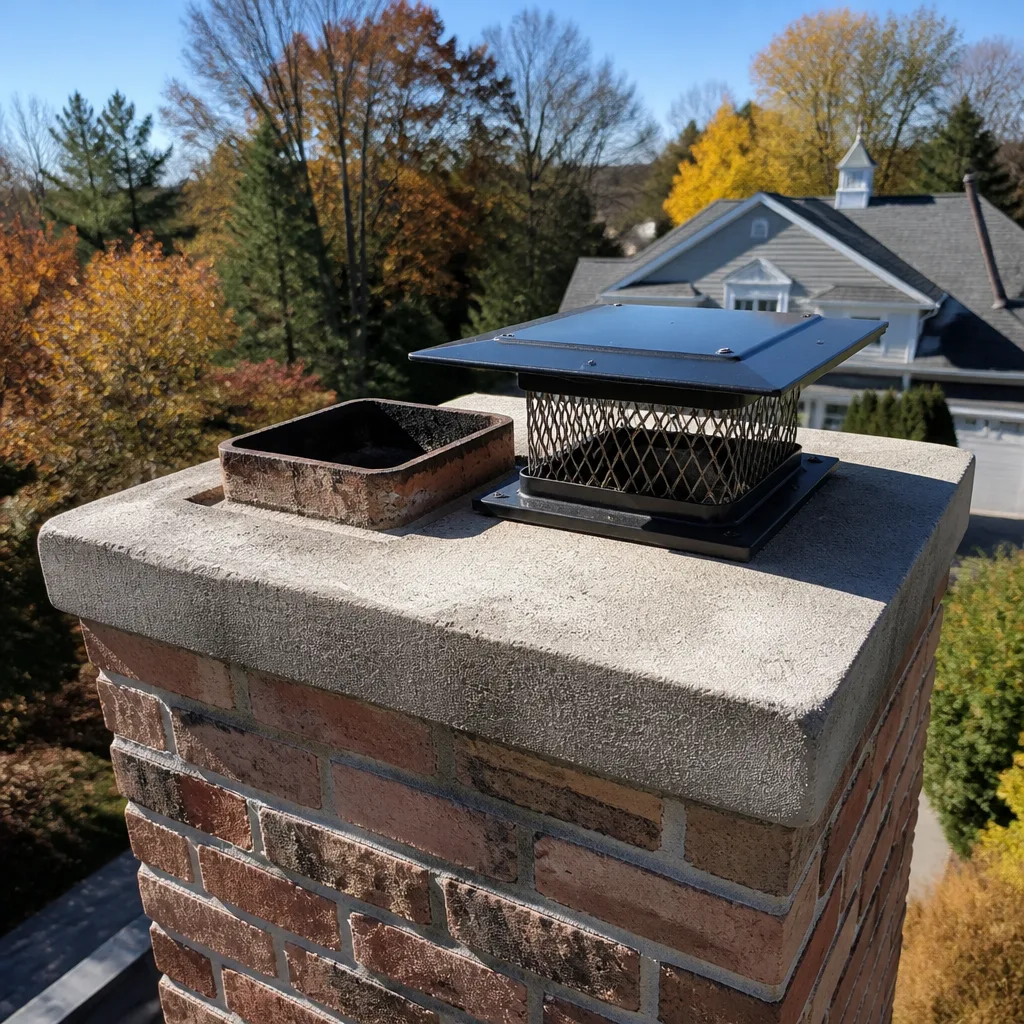 Sweep & inspection
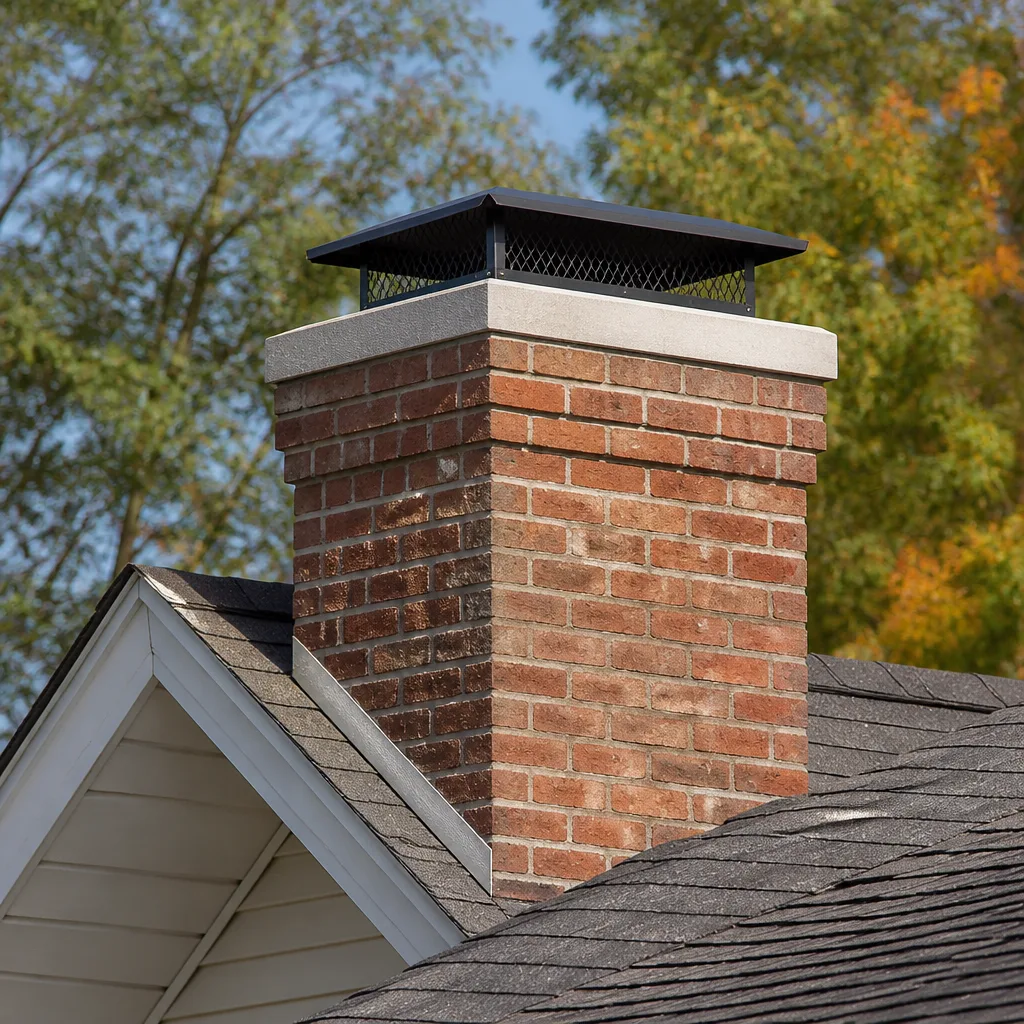 Caps & crowns
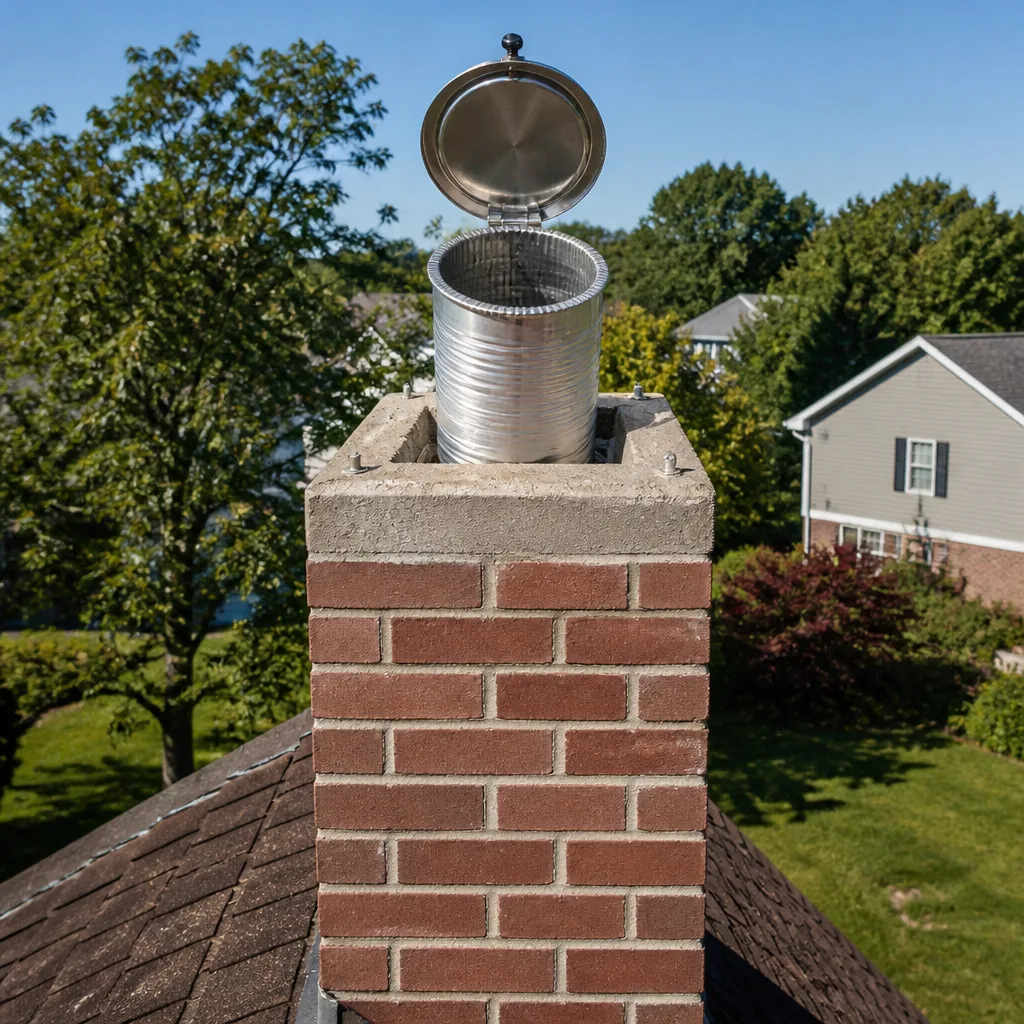 Flue relining
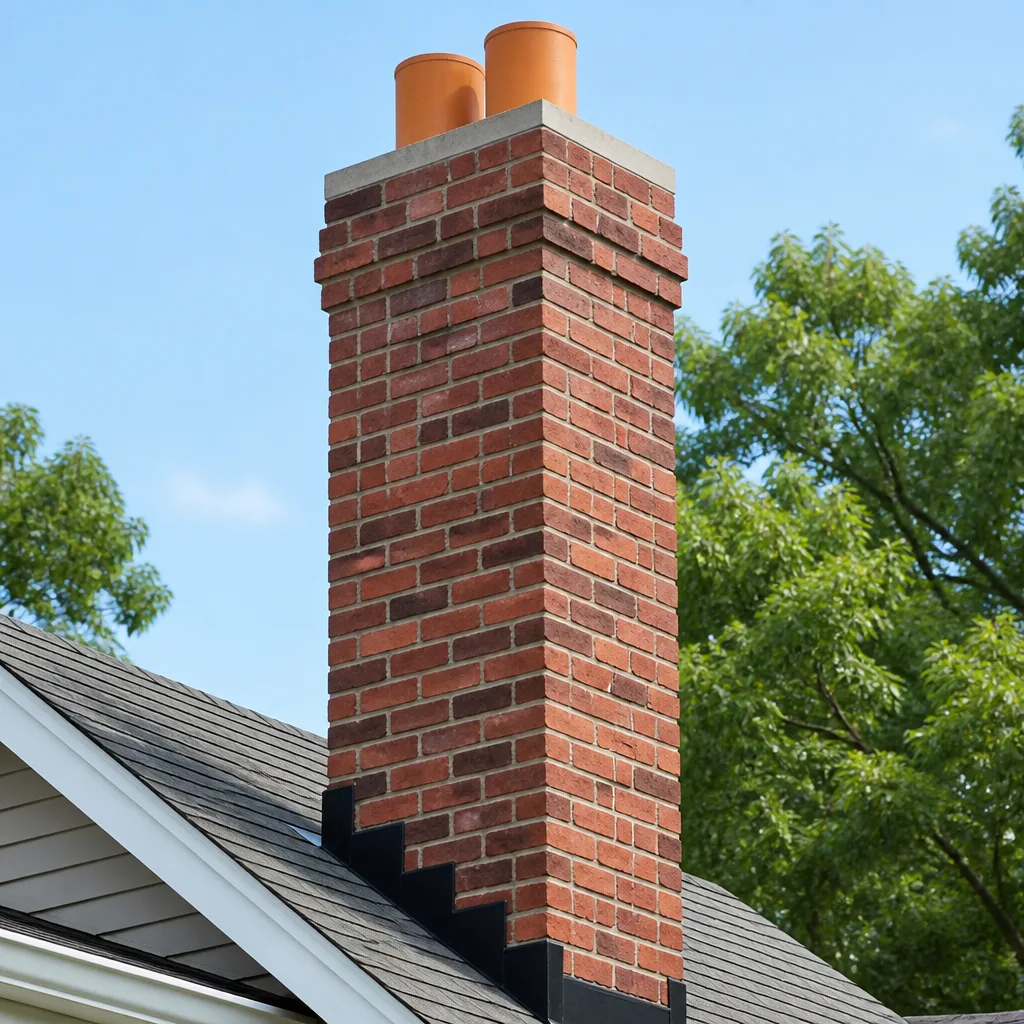 Masonry repair
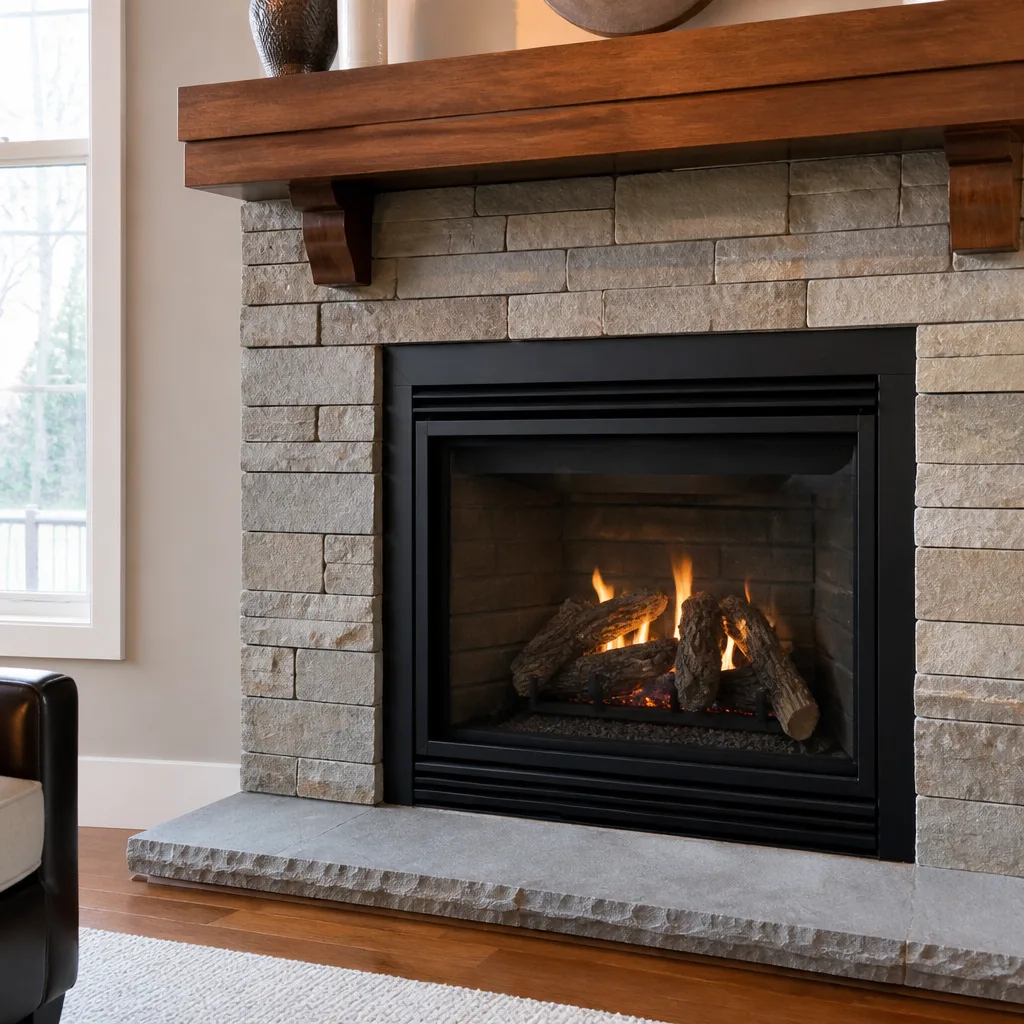 Gas fireplace service
Level 1 sweep and inspection to the NFPA 211 annual standard - flue, crown, cap, and flashing checked and photographed
Chimney sweep logs do not sweep chimneys. They loosen some creosote - which then falls where a brush and vacuum still have to collect it.
Chimney Cleaning Cost Breakdown: The Mission Viejo Homeowner’s Reference for 2026
A $99 chimney sweep special and a $349 full-system cleaning are not the same service with a markup. They are fundamentally different scopes, and the gap between them is where real safety lives. One sends a brush up a flue and hands you a receipt. The other examines your entire chimney system, documents what it finds, and tells you what needs attention now versus what can safely wait. Most Mission Viejo homeowners never see the difference until they’re comparing a rushed one-hour visit against a two-hour inspection that catches a cracked crown before it becomes a roofline leak. This guide breaks down exactly what drives the price, what legitimate work includes, and how to read a quote so you know which service you’re actually buying.
Quick Answer
A professional full-service chimney cleaning in Mission Viejo typically costs between $225 and $400, depending on the flue type, how much creosote has built up, and whether the visit includes a camera inspection and photo report. A basic sweep without documentation usually runs $99 to $175. Repair work found during the cleaning (caps, crowns, dampers, flashing) is priced separately, and the written estimate sets the final number. If a quote sounds dramatically lower than the rest, ask what’s included before you book.
Styles & brands we work with
- Sweep & inspection
- Caps & crowns
- Flue relining
- Masonry repair
- Gas fireplace service
Table of Contents
- What a Real Full-Service Chimney Cleaning Includes
- What Drives the Price in Mission Viejo
- Why a Full-Service Cleaning Isn’t the Same as a Basic Sweep
- How to Interpret a Low-Price Chimney Sweep Offer
- Repair Cost Benchmarks for Common Mission Viejo Chimney Issues
- The Cost of Deferred Maintenance
- How to Evaluate a Chimney Cleaning Quote
- When to Schedule Your Cleaning Before Burning Season
What a Real Full-Service Chimney Cleaning Includes
A full-service cleaning isn’t one task; it’s a sequence. Each step exists because something specific can go wrong if it’s skipped, and because the next step depends on what the previous one reveals. In our experience, the difference between a proper visit and a rushed one shows up in the details: protection of your floors, a documented inspection after the sweep, and a technician who can tell you what they saw.
Here’s the sequence we walk through at Mission Viejo Chimney Sweep Pros for any full-service cleaning:
- Lay down drop cloths and seal the firebox opening. A dust barrier keeps soot out of the living room during the entire job. Skipping this step is where “we left a mess” complaints come from.
- Inspect the firebox and smoke chamber first. We look for cracked refractory panels, damaged mortar joints, and gaps at the damper frame before we start brushing. What’s found here often changes how the rest of the visit is scoped.
- Sweep the flue with the correct brush for your liner. Round wire brushes for clay tile, softer poly brushes for stainless liners. The wrong brush scores or damages your liner.
- Vacuum with a HEPA-equipped system at the flue throat. This captures dust that the drop cloths don’t.
- Run a camera down the flue. A camera inspection catches cracking, offset joints, and creosote glazing that a visual scan from below misses entirely.
- Inspect the chimney cap, crown, and exterior flashing from the roof or via drone. These are the top-of-system components that protect the entire chimney from water damage.
- Document everything in a written report with photos. You should hold the findings in your hands before any repair is discussed.
- Walk you through what was found, in plain terms. Concrete findings, real photos, and a clear separation of “needs attention now” versus “watch this.”
That sequence typically takes 90 minutes to two hours in a Mission Viejo home, depending on the chimney. A 15-minute brush-and-go is a different product entirely, and it usually catches none of the conditions in steps 2, 5, and 6.
What Drives the Price in Mission Viejo
Two homes on the same street can get quoted very different amounts for what looks like the same cleaning. Here’s what actually moves the number.
- Flue type and liner material. A standard clay-tile flue sweeps faster than a stainless steel liner with offsets. Factory-built fireplaces can be more involved than masonry because of the flue configuration.
- Creosote condition. Light soot sweeps out easily. Glazed, stage-three creosote takes rotary equipment, more time, and sometimes a follow-up visit. If your fireplace has been burning wet wood or unseasoned logs, expect a higher-tier price.
- Inspection depth. A visual inspection from the firebox up is not the same as a camera inspection of the full flue. Camera work and photo documentation add to the cost because they add to the diagnostic value.
- Equipment used. Rotary brush systems, dual-line cable systems, and HEPA vacuums are professional-grade tools. A shop-vac and a hand brush are not.
- Number of flues. A home with two fireplaces, or a fireplace and a furnace flue on the same chimney, has more surfaces to sweep.
- Access. Two-story rooflines, steep pitches, or tight attic clearances add time and setup.
- Technician certification. A certified technician has completed formal training and can identify conditions that an untrained brush operator will miss.
Mission Viejo’s housing stock adds one more variable: many homes here were built in the 1970s through the 1990s, and their original clay liners and metal caps have taken decades of weather. A cleaning on a 1985 ranch home in a neighborhood like Casta del Sol or Pinecrest will often surface more findings than a newer build, simply because the components are older. That doesn’t mean the cleaning costs more, but it does mean the inspection report matters more.
If you’re just looking for the core service, more detail lives on our chimney sweep page.
Why a Full-Service Cleaning Isn’t the Same as a Basic Sweep
This is the single most important distinction in the whole cost conversation, and it’s the one that gets blurred most often in ads. A chimney sweep removes creosote from the flue. A full-service cleaning removes creosote and then verifies that the system around the flue is intact and functioning.
Imagine an inspection report as a checklist:
| What’s Checked | Basic Sweep | Full-Service Cleaning |
|---|---|---|
| Flue swept of creosote | Yes | Yes |
| Firebox and smoke chamber inspected | Rarely | Yes |
| Camera inspection of the flue | Almost never | Yes |
| Crown and cap examined | No | Yes |
| Flashing and roof joint checked | No | Yes |
| Written report with photos | No | Yes |
| Damper operation tested | Sometimes | Yes |
That table is where the money difference lives. The basic sweep is a cleaning. The full-service visit is a cleaning plus a diagnosis. A swept chimney and a safe chimney are not automatically the same thing, and the inspection is what tells you which you have. If you’ve ever read about a house fire traced to a cracked flue, the crack was probably there long before anyone noticed it, and a basic sweep would not have caught it.
This is why we offer inspection as a standalone service. If you already had a sweep last year and just want the system examined, you don’t need a bundle. You need a camera, a checklist, and documentation. The chimney repair work that follows is priced separately and only recommended when the evidence supports it.
How to Interpret a Low-Price Chimney Sweep Offer
A $79 or $99 sweep can be a legitimate seasonal promotion or a loss-leader designed to get a technician into your living room to sell repairs. In our experience, the second is more common than the first, and the tell is what’s missing from the scope. When a price is dramatically below the market, something in the sequence above has been left out. What usually disappears:
- The camera inspection. Without it, a cracked or misaligned flue is invisible. The sweep proceeds, and the unsafe condition stays in place.
- The roof-level examination. Cap, crown, and flashing aren’t checked. Water damage risk is unknowable from the firebox alone.
- Written documentation. You get a verbal “all clear.” Months later, you can’t prove what condition the chimney was in or what was recommended.
- Floor and dust protection. Cheap visits cut setup time by cutting the barrier, and soot ends up on your carpet.
- Proper vacuum equipment. A residential shop-vac doesn’t capture fine soot particles; a HEPA unit does. The cheap visit often uses neither effectively.
None of this means a budget-priced cleaning is fraudulent. It means you should ask directly: does this price include a camera inspection, a roof-level check, and a written report? If any answer is no, that’s what you’re paying for, and you’re getting a sweep, not a system diagnosis. It’s a valid choice for a well-maintained fireplace. It’s the wrong choice for a newly purchased home with an unknown service history.
Repair Cost Benchmarks for Common Mission Viejo Chimney Issues
Cleaning often surfaces something that needs fixing. That’s normal for older homes, and it’s not a reason for alarm as long as the findings are documented and the pricing is clear. These are typical ranges for the four most common repairs found during cleaning in Mission Viejo; the written estimate always sets the final number.
- Cap replacement: typically $175 to $450, depending on cap style and flue size. A proper cap keeps rain, birds, and debris out of the flue. We install Gelco and Famco caps rated for long-term weather resistance.
- Crown repair: typically $300 to $800. The crown is the concrete slope at the top of the chimney that sheds water away from the flue. A cracked crown lets water into the masonry, which is where interior chimney damage starts.
- Damper replacement: typically $250 to $650, depending on whether it’s a top-sealing or throat damper. A stuck-open damper leaks heat and lets cold air into the home even when the fireplace is off.
- Flashing re-seal: typically $250 to $600. Flashing is the metal where the chimney meets the roof. Water tracking past failed flashing shows up as ceiling stains far from the chimney.
Larger repairs sit outside the cleaning visit and are quoted separately. A chimney repair scope might include relining with a DuraFlex stainless liner or resurfacing with HeatShield. Those are specialist repairs, and HeatShield-qualified resurfacing is a service many sweep-only companies can’t offer. Pricing is set by the written estimate after the inspection, not over the phone.
If a fireplace component (damper, firebox panel, or gas log set) needs work, fireplace repair is its own scope and priced accordingly.
The Cost of Deferred Maintenance
The math on chimney maintenance is unusually clean, and it’s the reason we keep coming back to it with homeowners. A cleaning and inspection in Mission Viejo costs a fraction of what the downstream repair costs when a problem goes unnoticed for a season or two. That’s not a sales tactic; it’s the way the components fail.
Consider what a routine annual cleaning actually prevents:
- A cracked crown left unaddressed. Water enters the masonry. Over successive winters it works into the flue, and the fix escalates from a $300 to $800 crown repair to a $3,500 liner replacement, plus possible interior damage. The crown is the cheapest component to fix and the most expensive to ignore.
- A missing or rusted-out cap. Birds nest in the flue. Rain comes straight down into the smoke chamber. The cap is a $175 to $450 part; the cleanup and inspection that follows a bird nest in the flue is more than that, and a nesting event during burning season creates a genuine safety hazard.
- Stage-three glazed creosote. Light soot sweeps out. Glazed creosote bonds to the liner and becomes a fire hazard if it builds up. Catching it at the light stage is a cleaning. Catching it at the glazed stage is a rotary treatment or, in severe cases, a reline.
- A failed damper left open. Every heating and cooling dollar escapes up the flue. A $250 to $650 damper replacement pays for itself in energy costs, but only if you know the damper has failed.
The keyword here is “if you know.” A cleaning that doesn’t include an inspection doesn’t tell you any of this. The reason we document findings with photos is that homeowners should be able to see what we see and make their own decisions. And when a finding can safely wait until next season, we say so. Not every photo of minor wear becomes a repair recommendation.
For homeowners who’ve just purchased a home in Mission Viejo and don’t know the service history, a cleaning plus inspection is the starting point. It establishes a baseline you can compare against next year.
How to Evaluate a Chimney Cleaning Quote
A quote tells you what you’ll pay. A good quote also tells you what you’ll get. Here’s how to read one.
- Ask what’s included in writing. Camera inspection? Roof-level check? Written photo report? Cap and crown examination? The answers separate a full-service cleaning from a sweep.
- Ask whether the technician is certified. Industry certification means formal training, not just on-the-job experience. Our technicians have up to 10 years of experience and are trained on the full chimney system, not just the brush.
- Ask what happens after the sweep. If the answer is “we hand you a receipt,” you’re buying a sweep. That’s fine for some homes; not for all.
- Compare the same scope, not just the number. A $99 quote and a $349 quote are only comparable if both include the same tasks. Usually they don’t.
- Ask how findings are documented. Photos in a written report mean you can verify what’s being said and get a second opinion if you want one.
- Ask what’s recommended versus required. A technician who can tell you “this can wait until next fall” is more trustworthy than one who lumps everything into “needs attention now.”
- Ask who does the repair work. Single-source accountability matters. When the same company inspects and repairs, there’s no handoff between the diagnosis and the fix.
That last point is worth emphasizing: a company that inspects but doesn’t repair has an incentive to over-recommend, because it isn’t on the hook for the repair. A company that does both has an incentive to be accurate, because the repair comes back to them. That’s why we keep our teams under one roof rather than outsourcing the repair scope to a third party.
When to Schedule Your Cleaning Before Burning Season
Mission Viejo’s winters are mild by national standards, and fireplace use here is often a few weeks of real burning scattered across a longer shoulder season. That changes the scheduling calculus. The urgency is seasonal, not hourly: you want the cleaning and inspection done before the first seriously cool evening, not the morning of. Booking in late summer or early fall means the diagnosis is fresh, repair work has time to be completed, and you’re not waiting on a packed schedule when everyone else decides to call the day before Thanksgiving.
For a newly purchased home, schedule the cleaning before you close on the property if possible, or as close to move-in as practical. For an inherited system with unknown history, first-visit inspection is the priority, and the cleaning can happen alongside. For a home you’ve owned for years and maintained annually, waiting until just before the first burn is fine.
If you can’t remember the last time the chimney was swept, that’s the signal to book. A system that hasn’t been seen in three or four years has likely accumulated enough creosote that a full-service visit (not a basic sweep) is the right call. The cost gap between the two is smaller than the cost of catching a problem after it’s caused damage.
Common Mistakes to Avoid
- Booking on price alone. The lowest number on the page is usually the shortest scope. Compare what’s included, not just what you’ll pay, and ask specifically about the camera inspection and written report.
- Skipping the inspection because you “just want a sweep.” The inspection is what catches the conditions that a sweep doesn’t fix. A swept but cracked flue is worse than an unswept one in some ways, because the sweep made you feel done.
- Burning unseasoned or wet wood. In a mild climate, wet wood is easy to store under a tarp and forget, but it’s the primary driver of stage-three creosote. Dry, seasoned wood is the cheapest maintenance you’ll ever do.
- Ignoring the cap because it “looks fine from the ground.” Caps rust, dent, and work loose over decades. What looks fine from the yard is not what’s inspected from the roof, and a failed cap is a common cause of hidden water damage.
- Assuming a verbal “all clear” is documentation. Without a written report and photos, you can’t compare year over year or get a second opinion on a specific finding. Ask for the report.
- Waiting until the first cold night. Booking during burning season means scheduling pressure and, if a repair is needed, going through it in the cold. Late summer or early fall is the honest best window in Mission Viejo.
- Treating a $3,500 liner quote with suspicion or with total acceptance. Either reaction is a mistake. Ask to see the camera footage and the photo report. A legitimate liner recommendation should be supported by what’s visible in the flue, not by a technician’s say-so.
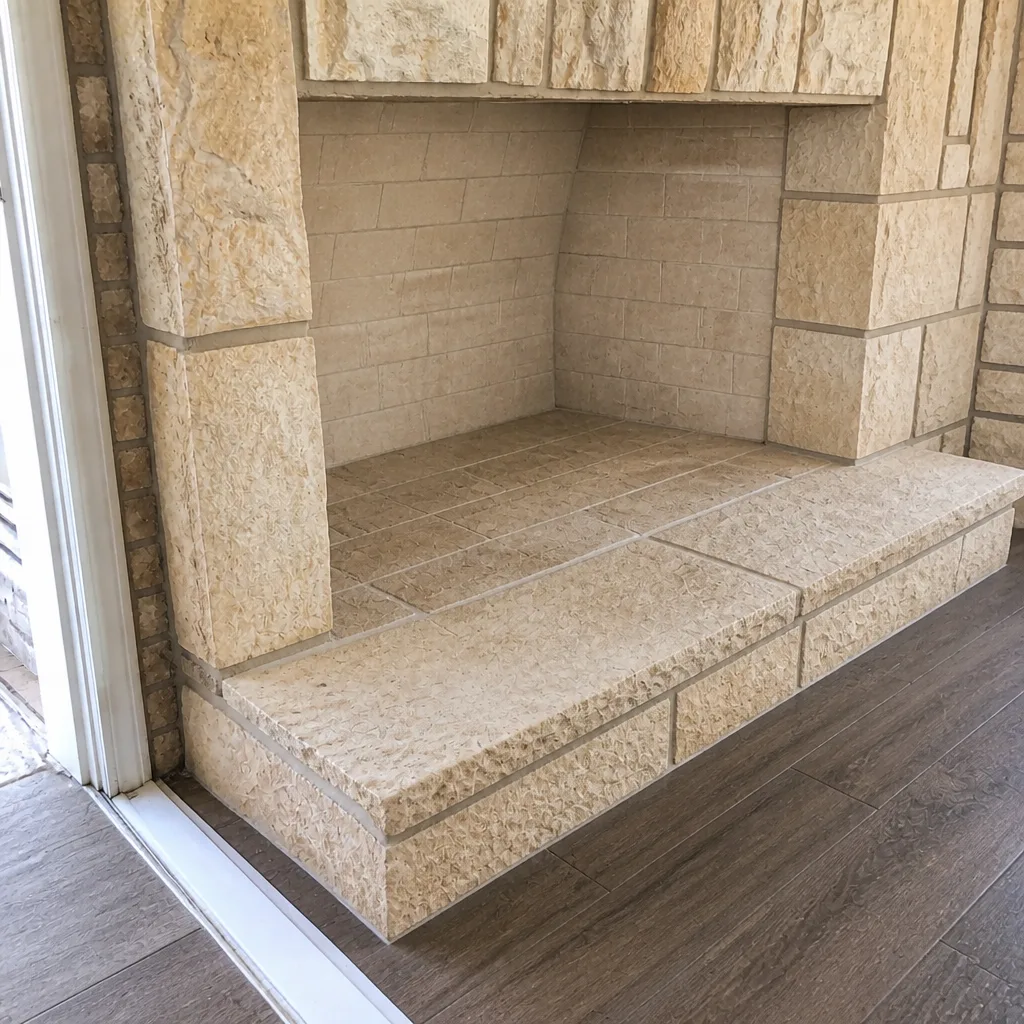
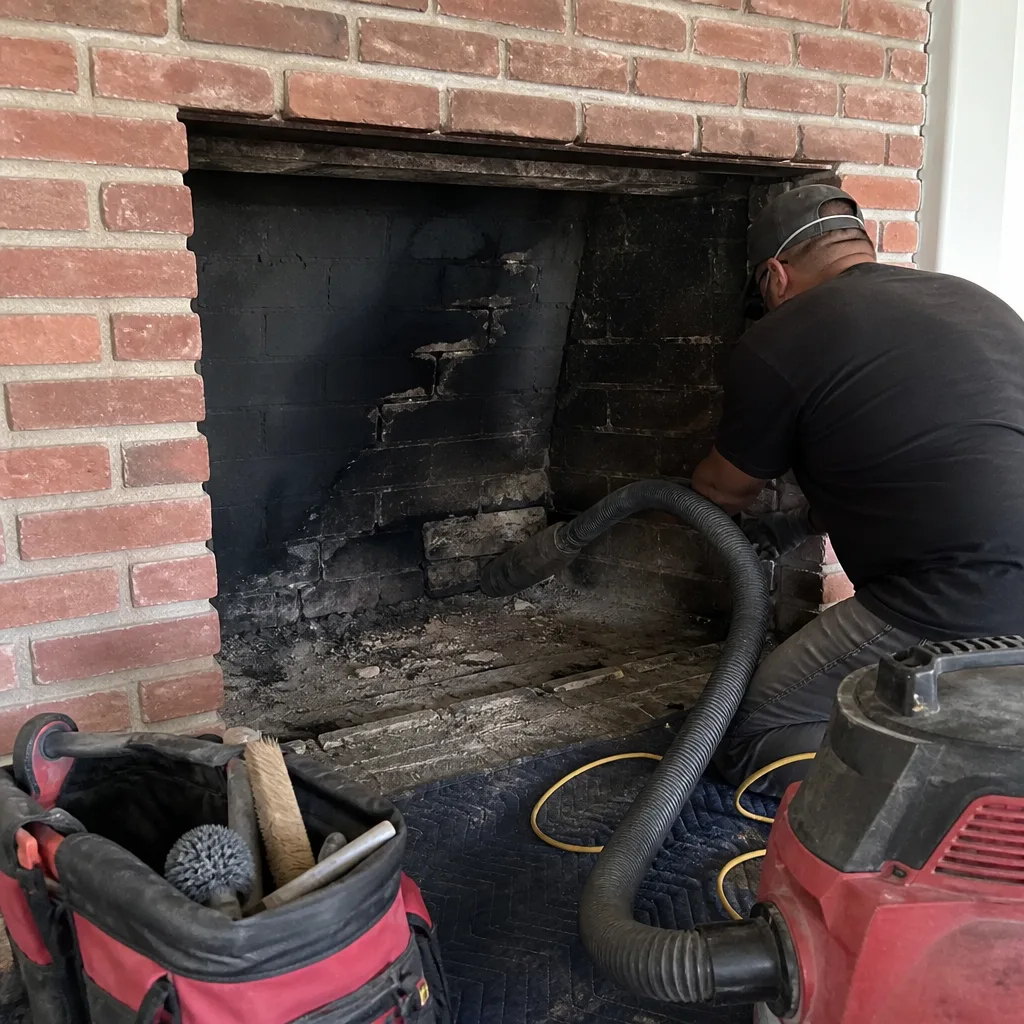
See the difference
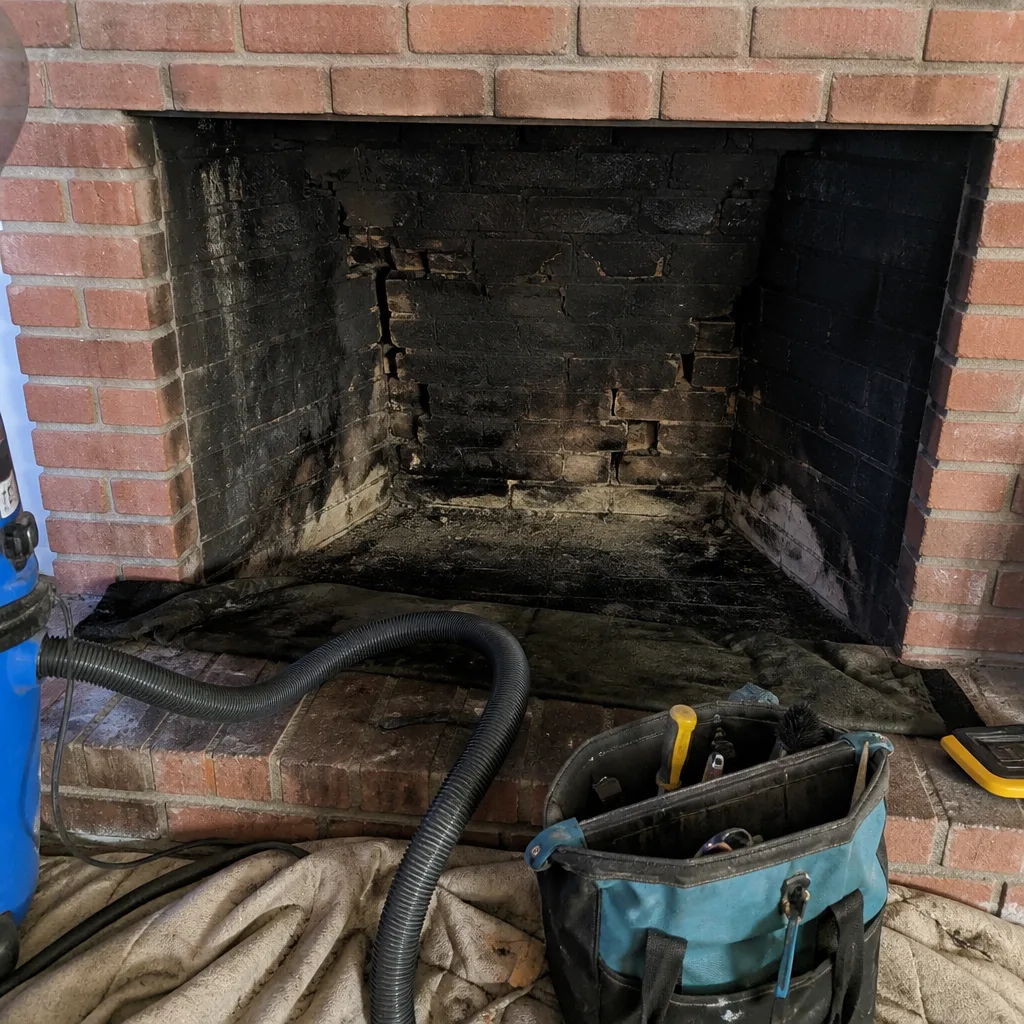 Before
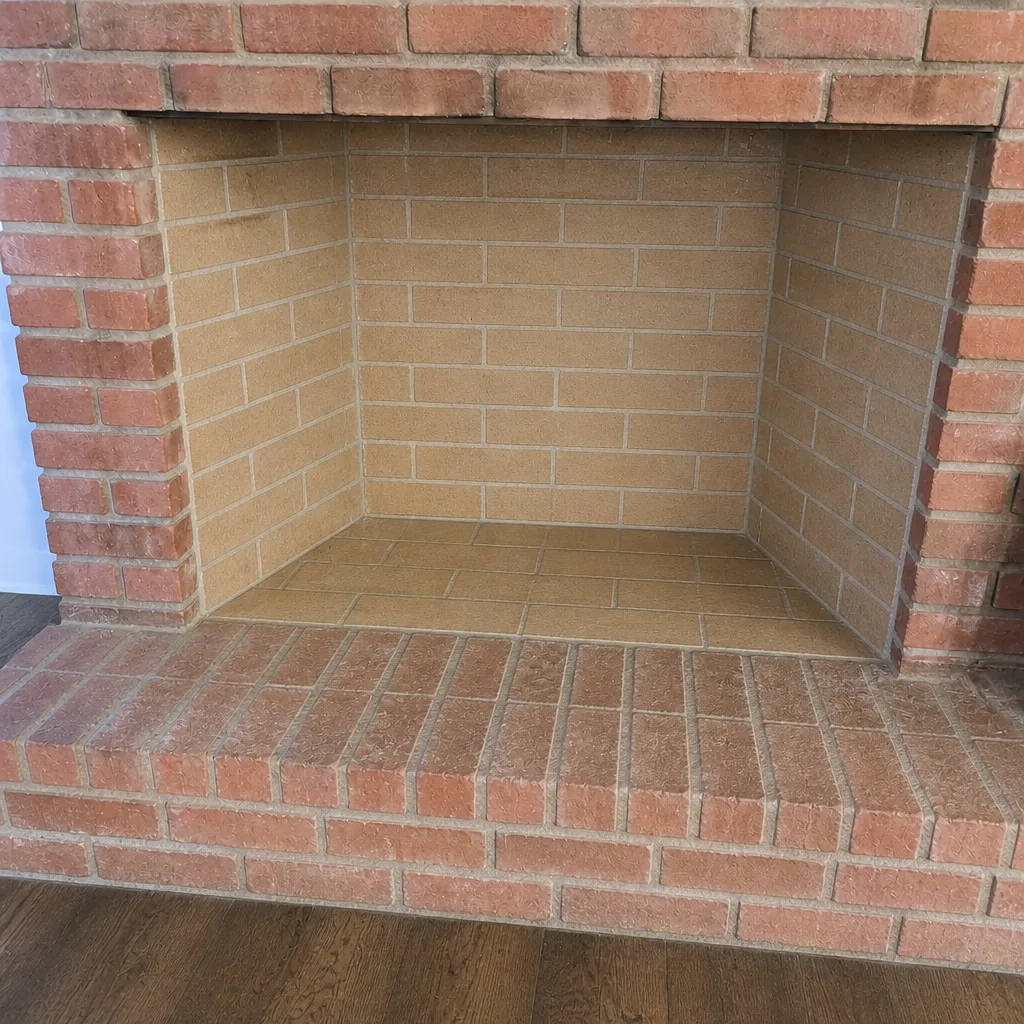 After
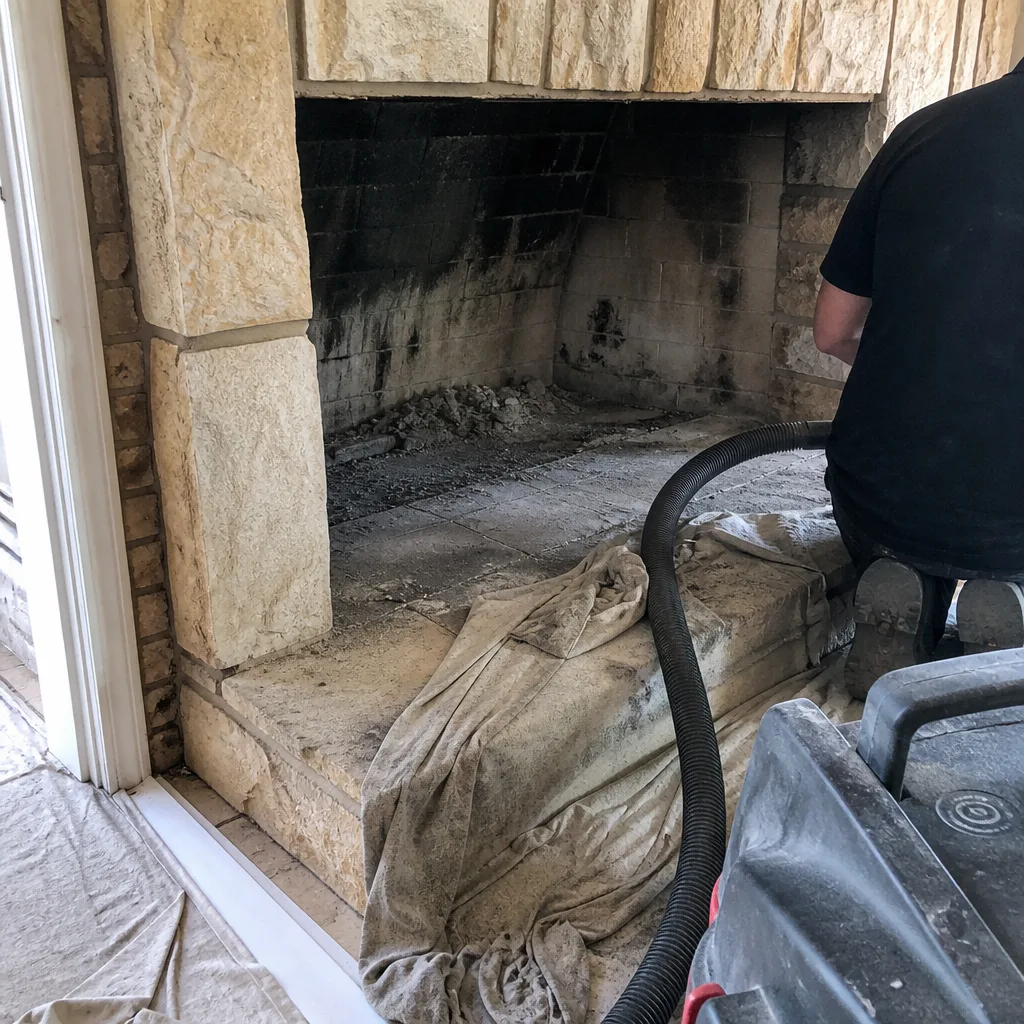 Before
 After
 Before
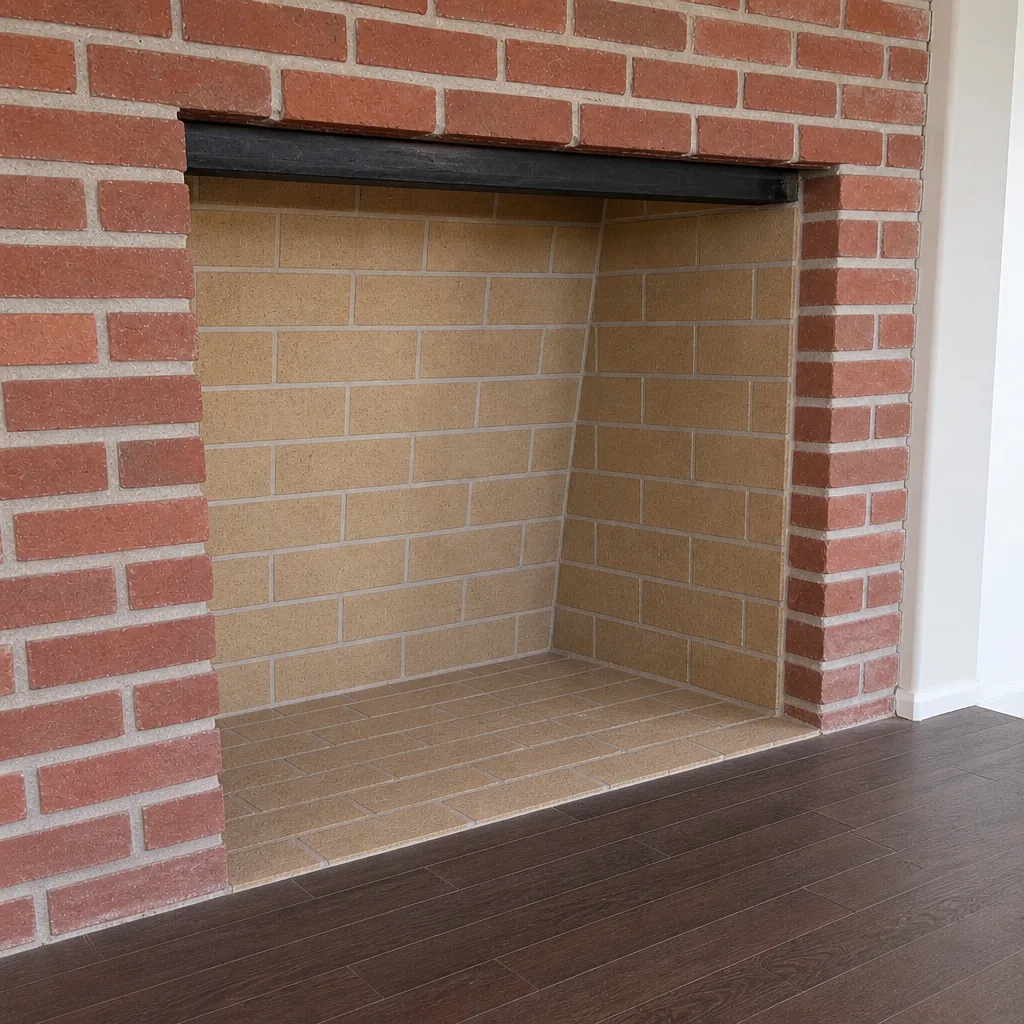 After
When to Call a Professional
Some chimney work is genuinely DIY territory (clearing ash, opening the damper). Most of it isn’t. Call a professional when: you’ve just bought a home with an unknown chimney history; you haven’t had the chimney inspected in more than a year; the fireplace has a strong draw but leaves soot on the mantel; you notice creosote build-up that looks glossy or tar-like rather than powdery; the damper doesn’t open smoothly or sticks open; you see water staining near the chimney or on the ceiling; the cap on the roof is visibly damaged, rusting, or missing; or you smell smoke in the house when the fireplace isn’t in use. Mission Viejo Chimney Sweep Pros offers free estimates in Mission Viejo. Call (844) 443-3825. We answer 24/7. Fast dispatch from 7am to 7pm, Sunday through Friday.
Frequently Asked Questions
A professional full-service chimney cleaning in Mission Viejo typically costs $225 to $400. That range covers the sweep, a camera inspection, a roof-level check of the cap and crown, and a written report with photos. A basic sweep without inspection usually runs $99 to $175. The written estimate sets the final price, and the estimate is free. Call (844) 443-3825 for an exact quote before you book.
It depends on the home. A basic sweep is adequate for a fireplace you’ve maintained annually, with a known service history and no prior findings. A full-service cleaning is the right call for a newly purchased home, an inherited system with unknown history, or any chimney you can’t remember being inspected. The safer default is the full-service visit, because the inspection is what catches problems the sweep alone won’t. Call (844) 443-3825 if you’re not sure which applies to you.
Most wood-burning fireplaces should be swept and inspected annually, and gas fireplaces should be inspected on the same schedule even though they don’t produce creosote. Homes that burn heavily through a season, or that burn unseasoned wood, may warrant more frequent visits. If you’ve skipped a year, treat the next cleaning as a full-service visit: call (844) 443-3825 for a free estimate on the scope you actually need.
The fireplace will still work, and that’s what makes skipping easy to do. What you’ll lose is visibility: a cracked flue, a failed crown, or glazed creosote can all progress without a symptom you’ll notice from the living room. The cost of an annual cleaning and inspection is small relative to a liner replacement once a crack or a glazed flue is discovered. If you’ve skipped more than one season, call (844) 443-3825 for a free estimate.
Because they’re frequently quoting different scopes. A $99 offer is usually a basic sweep with no inspection. A $349 offer typically includes the sweep, a camera inspection, a roof-level check, and a written report. The number you should compare is the scope, not the price. Ask before you book what’s included, and get a free estimate on the scope you need by calling (844) 443-3825.
Yes. Our full-service cleaning includes the sweep, a camera inspection of the flue, an examination of the firebox, damper, cap, crown, and flashing, and a written photo report. Inspection is also available as a standalone service if you had a recent sweep and just want the system examined. Call (844) 443-3825 to book either visit.
The Bottom Line
A chimney cleaning quote is a scope, not just a price. The $99 sweep and the $349 full-service visit are answering different questions about your chimney, and the safety-relevant differences sit in what the lower quote leaves out: the camera inspection, the roof-level check, and the written report. In Mission Viejo, a typical full-service cleaning runs $225 to $400, the inspections often surface repairs that would otherwise go unnoticed, and the repair costs from skipping them are reliably higher than the cost of the cleaning itself. When a repair is recommended, ask to see the evidence, and know that sometimes the right answer is to wait until next season.
Contact
Mission Viejo Chimney Sweep Pros handles the whole system, from the firebox to the cap, using professional-grade materials like DuraFlex liners, HeatShield resurfacing, and Gelco caps. We document what we find before recommending any repair, and we offer inspection as a standalone service. Whether you’re booking a routine cleaning for burning season or need a diagnosis on a fireplace you’ve just inherited, call (844) 443-3825 for a free estimate. We answer 24/7. Fast dispatch from 7am to 7pm, Sunday through Friday, and we’re closed on Saturday. Written by the team at Mission Viejo Chimney Sweep Pros.