
Last updated November 25, 2026
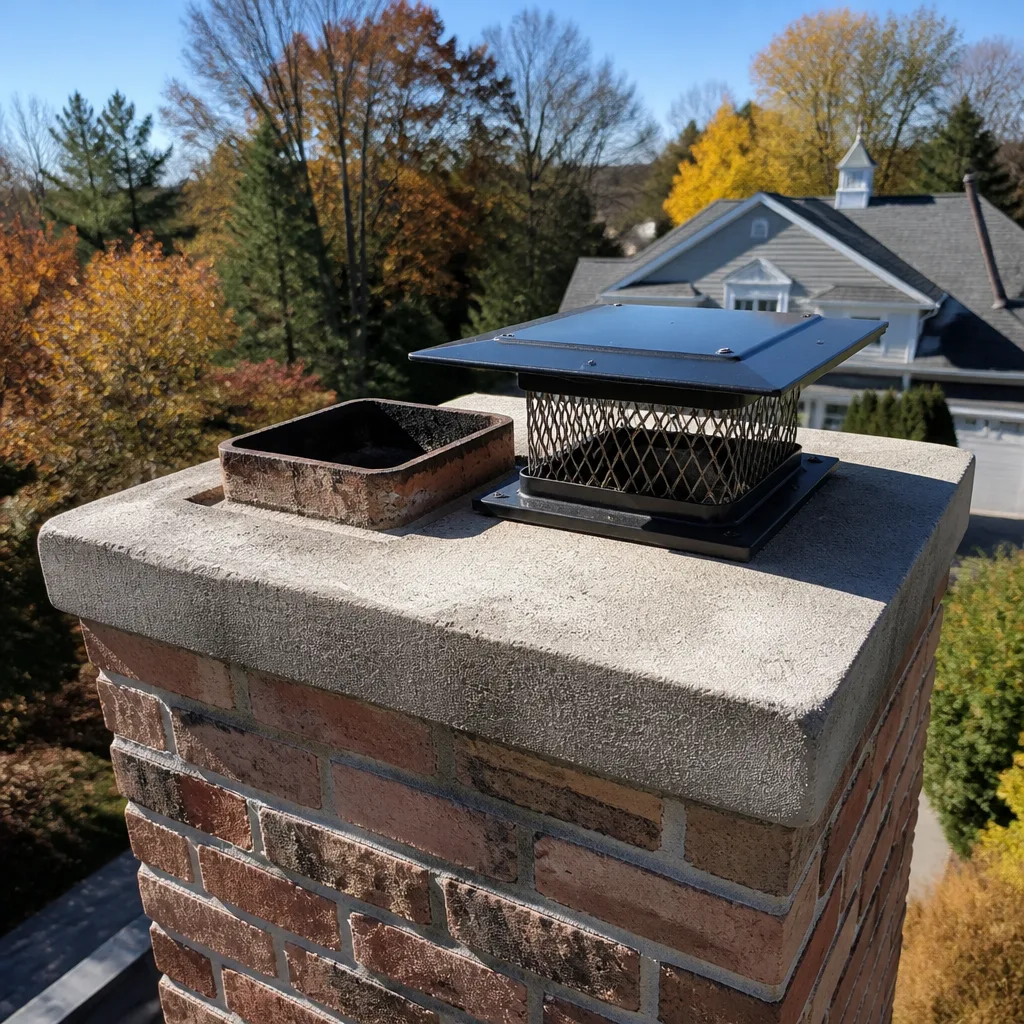 Sweep & inspection
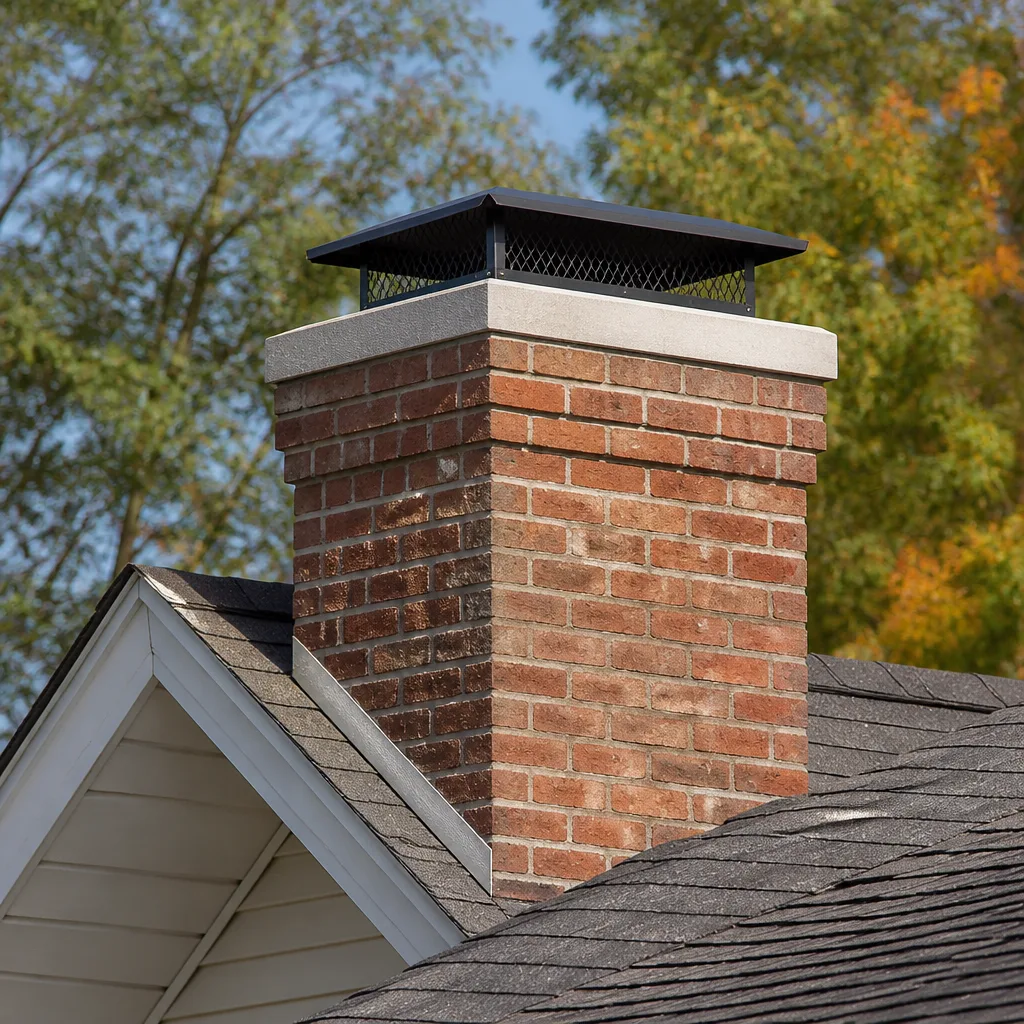 Caps & crowns
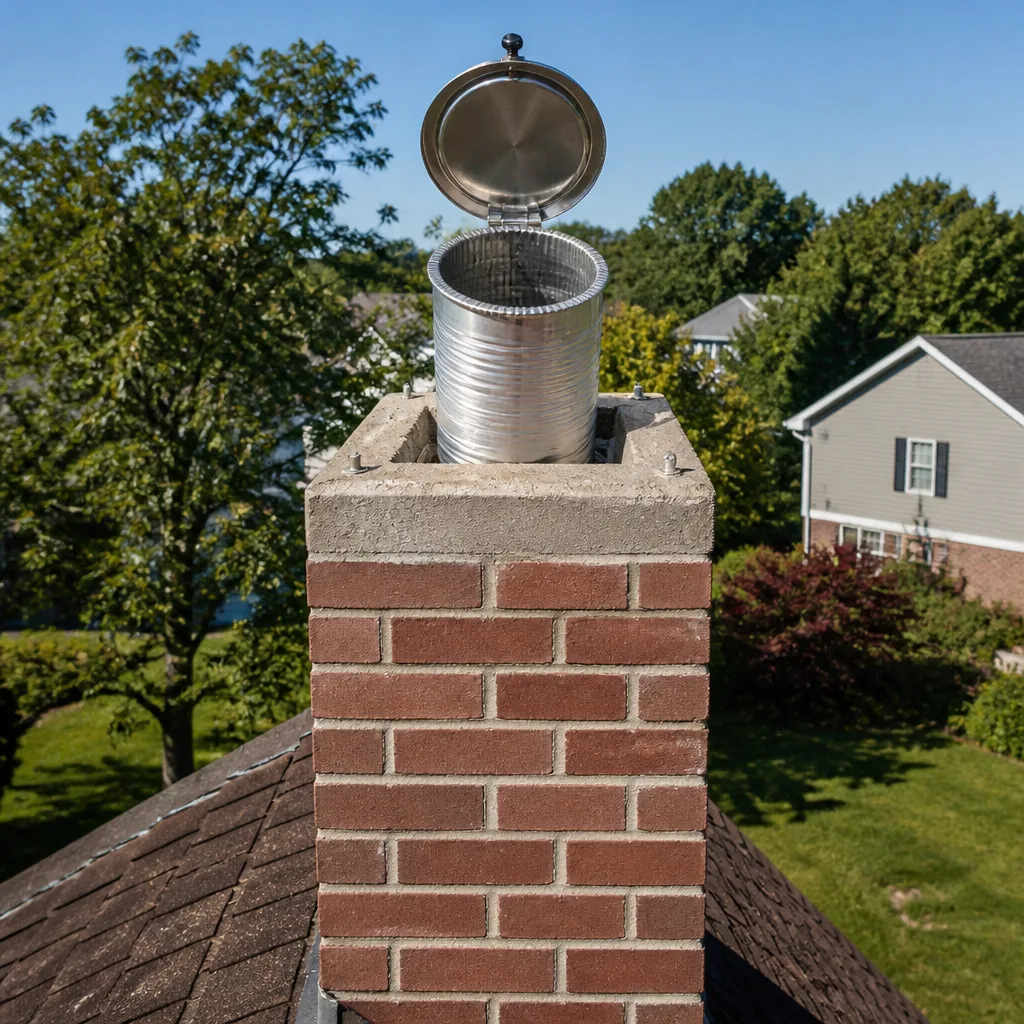 Flue relining
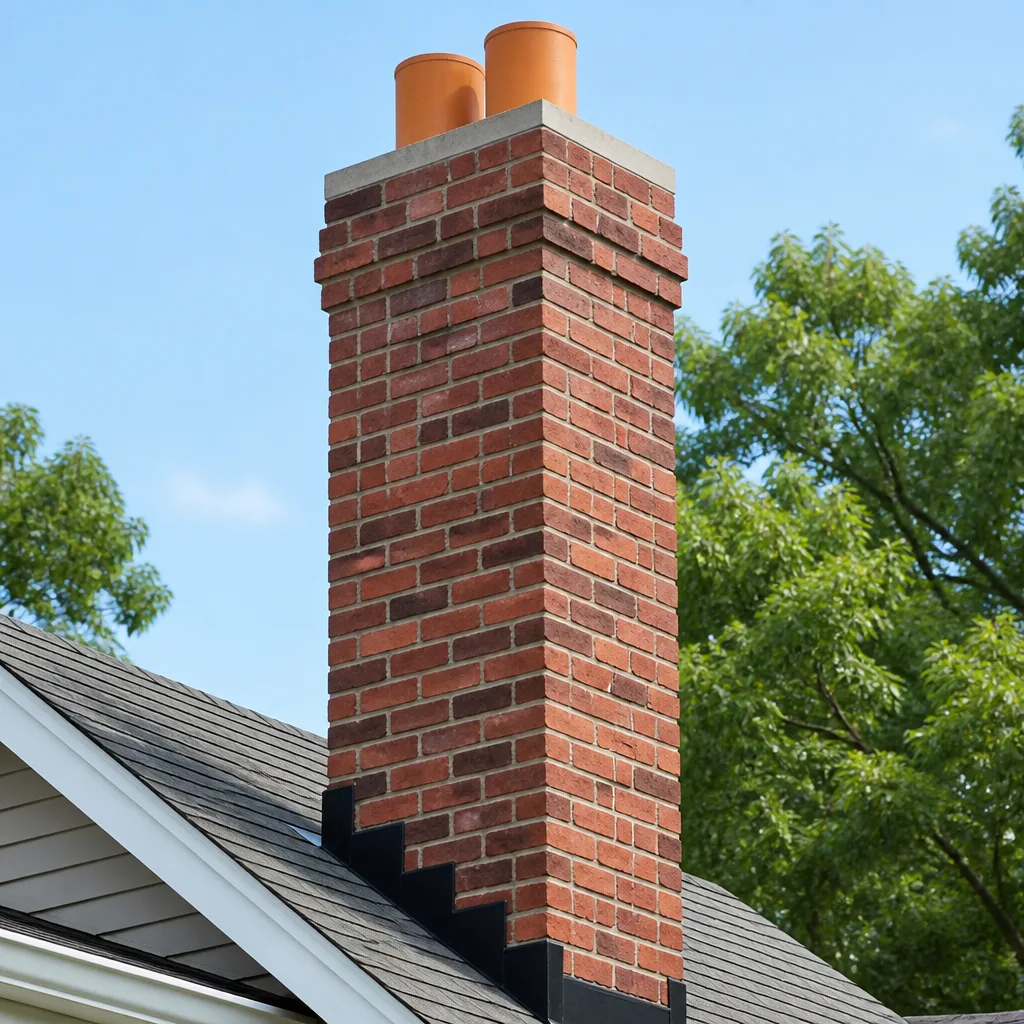 Masonry repair
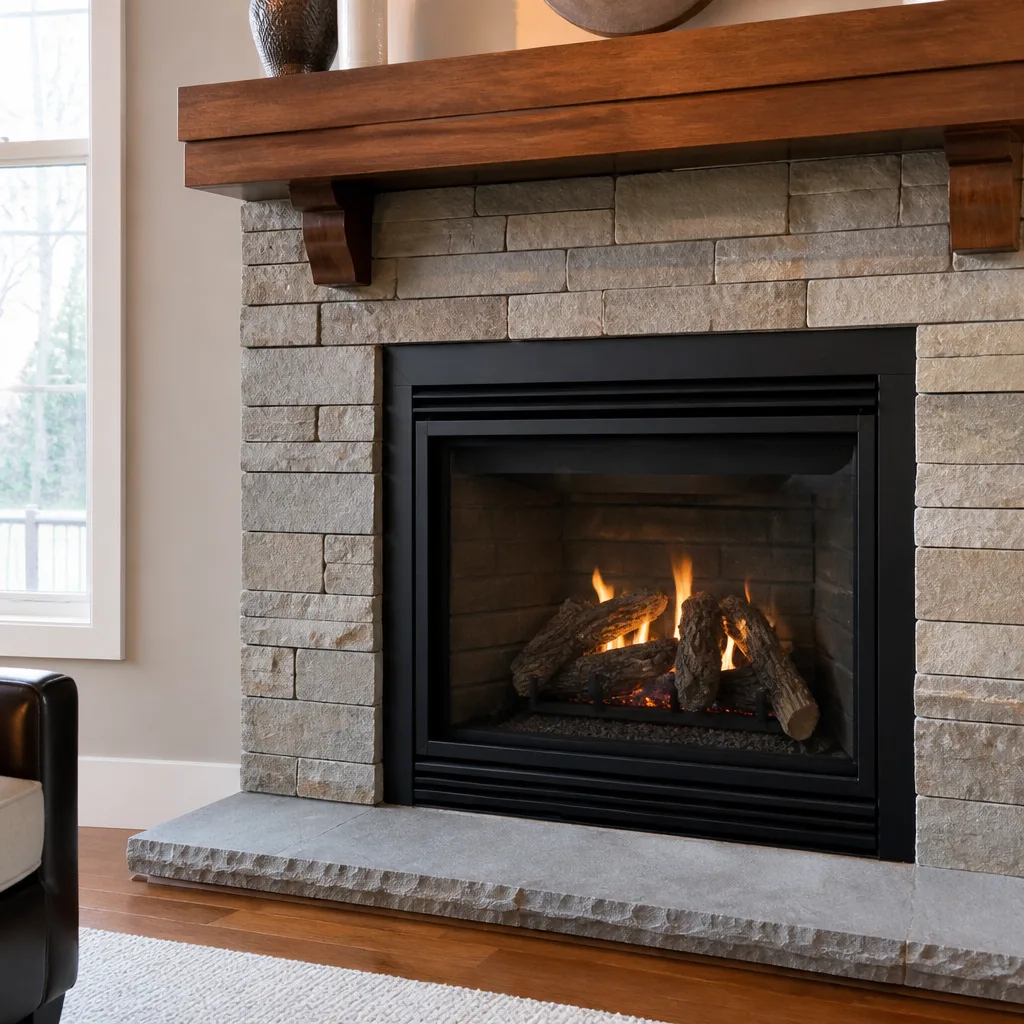 Gas fireplace service
Level 1 sweep and inspection to the NFPA 211 annual standard - flue, crown, cap, and flashing checked and photographed
Chimney sweep logs do not sweep chimneys. They loosen some creosote - which then falls where a brush and vacuum still have to collect it.
Chimney Cleaning Warning Signs: A Mission Viejo Homeowner’s Reference Guide
The loud warning signs get all the attention. A chimney that smokes into the room, a fire that won’t draw, a flue with visible cracks: those get noticed. But the chimneys that put Mission Viejo families at real risk are rarely the dramatic ones. In a mild climate where many fireplaces run a few dozen fires a season at most, problems build slowly and quietly through the off months. The signals are subtle: an odor that shows up in August, a faint white bloom on the brick, a dark line on the firebox wall you can’t quite place. This guide walks through the early warning signs in three places, the smells inside your house, the details you can see from the ground, and the marks inside the firebox, so you can tell a nuisance from a hazard before you light the first fire of the season.
Quick Answer
The most reliable chimney cleaning warning signs are: creosote odor from the fireplace on hot days, a musty animal smell, white staining on exterior brick, rust on the damper, cracked or loose masonry at the crown, a missing or damaged cap, and dark staining or flaking inside the firebox. Any one of these means the chimney should be inspected before it is used again. The earlier signs, like odor and efflorescence, usually point to moisture or slow creosote buildup rather than an emergency, but they still need professional eyes on the system.
Styles & brands we work with
- Sweep & inspection
- Caps & crowns
- Flue relining
- Masonry repair
- Gas fireplace service
Table of Contents
- The Odor Warning Signs: What Summer Heat Reveals
- Visual Warning Signs You Can Spot From the Ground
- Interior Warning Signs Inside the Firebox
- White Staining on the Exterior: Efflorescence Explained
- Is It a Monitor-Situation or a Call-Now Situation?
- Why Mission Viejo Chimneys Degrade Slowly and Quietly
- A Step-by-Step Walkout Inspection
- What a Proper Professional Inspection Actually Covers
The Odor Warning Signs: What Summer Heat Reveals
Step outside on a hot afternoon and the smell coming off a fireplace isn’t just stale air. There are three distinct odors that matter, and each points to a different problem.
The barbecue or acrid smell. This is creosote volatilizing in the heat. Creosote is the tar-like byproduct of wood smoke that condenses on the inside of your flue. On a mild day when the wall of the chimney heats up, the creosote releases vapors into the firebox and, sometimes, into the room. It smells like burnt barbecue or hot tar. If you notice that smell when you haven’t had a fire in months, your flue has enough creosote deposit to warrant a sweep and inspection before the next burn. This is the most common warm-weather warning sign we hear about from Mission Viejo homeowners, and it’s the one most often brushed off.
The musty, animal smell. A musty or rotting smell usually signals one of two things: an animal has taken up residence in the flue or on the smoke shelf, or moisture is present in the masonry and has started to grow organic growth. Birds, squirrels, and bats find unprotected flues attractive. Their droppings and nesting material are a fire and air-quality problem, and the nest can block the flue.
The sulfur or rotten-egg smell. A sulfur note under the smoke smell is a moisture indicator. It tends to appear when water has penetrated masonry and reacted with minerals in the mortar. This odor should never be ignored. In a mild climate, water damage from rain and slow masonry degradation is the single most destructive force on a chimney, and sulfur is one of the earliest tells.
Smell is not a definitive diagnostic tool. But it is a low-cost early-warning system, and if you notice any of these three odors on a Mission Viejo property in the off-season, the next step is a chimney sweep and inspection.
Visual Warning Signs You Can Spot From the Ground
You don’t need to climb a ladder to check your chimney. Most of the earliest structural signals are visible from the yard with a pair of binoculars.
Here’s what to look for during a walkout inspection. Take a slow look at the chimney from at least two angles, ideally in morning light when shadows reveal inconsistencies you’d miss in flat midday sun.
- Crown cracks or missing mortar. The crown is the concrete or masonry cap at the very top of the chimney. Hairline cracks will gradually widen as water enters and expands during warm days and cool nights. Any crack wider than a hair, or any chunk that has broken off, is worth a professional look.
- Damaged or missing chimney cap. A cap has a simple job: keep rain, animals, and debris out. If yours is rusted through, dented, tilted, or gone entirely, the flue is exposed. We fit caps from Gelco, Famco, and Copperfield because those are built for years of sun and rain, not just a season.
- Loose or spalling brick. If the face of the brick looks flaky or powdery, or if you can see missing mortar joints, water is already inside the wall. Spalling brick often hides bigger damage behind it.
- Tilt or lean. A chimney that leans away from the house, even slightly, is a structural signal that needs a professional evaluation.
- Soot streaks or dark staining on the exterior. Streaks running down the outside of the chimney from the top mean smoke or water is finding a path where it shouldn’t.
In a warm climate like Mission Viejo’s, masonry dries out between rain events, which can make a chimney look fine one week and show a fresh crack after the next storm. That’s why sporadic walkouts beat a single annual check. If you’ve spotted any of the above, the team at Mission Viejo Chimney Sweep Pros can take a closer look and document what we find.
Interior Warning Signs Inside the Firebox
The interior tells a story the exterior can’t. A five-minute look inside the firebox, with a flashlight, often reveals the earliest signs of trouble. Here’s what to look for.
- Dark staining above the damper. A brownish or black streak extending beyond the firebrick and up toward the smoke chamber is a sign of flue leakage or improper drafting. The stain is smoke finding its way through a gap or crack it shouldn’t be traveling through.
- Rust on the damper or the firebox hardware. Rust is water. Even a light dusting of orange should prompt a check of the crown and cap, because rust inside the box usually means water is getting in from above.
- Flaking or crumbling firebrick. Firebrick is engineered to take heat, not water. When it starts to flake, powder, or come loose, either moisture has worked its way in or the liner behind it is compromised.
- A damper that sticks, hangs up, or doesn’t seal. A damper that won’t open fully restricts exhaust. A damper that won’t close lets warm air from the house escape up the flue, along with the moisture that comes with it. Both are worth fixing, and the fireplace repair side of our work covers this.
- Soot or creosote visible on the smoke shelf. The smoke shelf behind the damper is where debris collects. If you can see soot or creosote there, the flue has not been swept recently.
- Visible cracks in the firebox itself. Any crack you can see is a direct path for heat or gases to reach the surrounding structure. This is not a “wait and see” sign. Stop using the fireplace and have it inspected before the next fire.
Where these warning signs overlap, they tend to reinforce each other. A rusting damper plus a flaking firebrick plus a missing cap is a small story of water getting in and slowly working downward. That pattern is what a proper inspection is designed to document, not guess at.
White Staining on the Exterior: Efflorescence Explained
That chalky white bloom on the outside of a brick chimney is called efflorescence. Most homeowners treat it as a cosmetic nuisance. It isn’t. It’s a moisture signal, and in a Mission Viejo chimney it’s often the first structural warning a homeowner can see.
Efflorescence happens when water gets into the masonry, dissolves mineral salts from the mortar or brick, and then evaporates on the surface, leaving the salts behind. It’s the deposit left by the water’s exit journey, not the water itself. A single small patch after a heavy rain can be normal. Recurring patches, thick crusting, or staining that keeps coming back month after month means the chimney is getting wetter than it should.
Where is that water coming from? In our experience, the same three spots show up again and again:
- A failing crown. Water leaks through cracks in the crown and travels downward through the flue wall. The salts arrive on the outside of the chimney a few bricks below.
- A missing or damaged cap. Rain drops straight into the flue and wicks outward through the masonry. Cap and crown installation is a real preventive service, not a luxury add-on, and it’s one of the most overlooked protective steps on a chimney system.
- Deteriorated mortar joints. As joints weather, they let water in through the face of the wall. Tuckpointing and resealing are part of the repair work that keeps the system dry.
What happens if efflorescence is left alone? The salts don’t just sit there. Over time the crystallized salts push outward and can shear the face of the brick off. Bricks spall, mortar crumbles, and the repair scope grows. When we see recurring white staining on a Mission Viejo chimney, we treat it as an early warning sign of structural wear and inspect the crown and cap before recommending anything else. Chimney repair is often the right next step, but only once we’ve documented where the water is coming in. If the diagnosis isn’t clear, adding a new layer of masonry on top of a wet wall makes the problem worse.
Is It a Monitor-Situation or a Call-Now Situation?
Most warning signs are slow-burn signals. A handful are not. Here’s how we help homeowners sort them into a practical three-tier system.
Monitor (note it and inspect within the next several weeks). These are the slow signals:
- Faint creosote odor only on very hot days
- A small, isolated patch of efflorescence that appears after rain and dries out
- Light rust dust on the damper
- A chimney cap that’s still in place but showing surface rust
Schedule a professional inspection before the next burn season. These are the signs that need eyes on them sooner:
- Any odor inside the living space (not just outside)
- Musty or animal smell in the flue
- Recurring or thick efflorescence
- Visible cracks in the crown
- Missing, tilted, or badly damaged cap
- Staining above the damper that has grown since last season
- Loose firebrick or flaking mortar inside the firebox
Stop using the fireplace and call before the next fire. These are the signs that cannot wait:
- Visible cracks in the firebox or flue liner
- Pieces of masonry or debris on the smoke shelf
- Smoke spilling into the room when a fire is lit
- Damper that will not open
- Any smell of gas in a gas fireplace, or a carbon monoxide alarm
One important note on safety and gas. A fireplace with a cracked liner, a blocked flue, or a faulty damper can put combustion gases into the living space instead of outside it. Carbon monoxide is odorless, which is exactly why a carbon monoxide alarm belongs in any home with a working fireplace. If that alarm ever sounds, get everyone outside and call 911 before calling anyone else.
Why Mission Viejo Chimneys Degrade Slowly and Quietly
Chimneys in a mild climate don’t show wear the way they do in cold climates. Where a colder region might push a chimney to fail under freeze-thaw cycles each winter, a Mission Viejo chimney tends to stay structurally intact for years while quietly accumulating small issues. The house doesn’t get a dramatic winter that forces an annual inspection.
That difference shapes the pattern of damage we see. A few things happen here that don’t happen in colder parts of the country:
- Fires are occasional. Most fireplaces in Mission Viejo run a few dozen fires a year, sometimes fewer. That slower pace means the amount of creosote that accumulates per season is small, which is easy to dismiss. But small amounts over many seasons add up. Creosote doesn’t need to be thick to become a problem, and the first stage is a light, glazed layer that can ignite before it ever reaches an inch thick.
- The house cools and warms slowly. The difference between a warm daytime firebox and a cool nighttime wall is smaller and more gradual than in cold climates, but it still moves moisture through masonry. Efflorescence is the visible result.
- The rains come compressed. Mission Viejo’s rain tends to arrive in concentrated storm events rather than a long drizzle. That means a crown crack or missing cap gets a heavy dump of water in a single event, then dries out. The damage happens in pulses rather than steadily.
The takeaway: in a mild climate, the absence of dramatic warning signs does not mean the chimney is fine. It means the warning signs are subtler, and they reward a homeowner who looks for them.
A Step-by-Step Walkout Inspection
Here’s the seasonal walkout we recommend for homeowners: a five-minute exterior check, a five-minute interior check, and a note of anything that changed. Take photos, so you can compare next season. This is not a substitute for a professional inspection. It’s a way to catch the biggest signals early.
- Start from the yard and look up. Step back far enough to see the top of the chimney. Note the crown: intact or cracked? Note the cap: in place or missing?
- Look for efflorescence. Scan the face of the brick for white powder or crusting, especially near the top and along mortar joints.
- Look for spalling or crumbling mortar. Bright sunlight at an angle reveals surface deterioration that flat light hides.
- Look for soot streaks on the exterior. Dark trails running down the outside of the chimney mean smoke or water is finding a path.
- Go inside and open the firebox door. Shine a flashlight above the damper and toward the smoke chamber. Note any staining, soot, or visible cracks.
- Check the damper. Open it fully. Close it fully. If it hangs up, sticks, or doesn’t seal, that’s a signal.
- Check the firebox for rust, flaking firebrick, or cracks. Note where any of these sit relative to the damper and the firebox opening.
- Smell. Lean in and take a breath near the firebox when no fire has been burned for at least a week. The smell should be light and smoky, not acrid, musty, or sulfury.
- Note what has changed since last season. Take a photo of anything new. Growth over time is the signal to jump on.
If any one of these steps turns up something you can’t classify, save the photo and call for an inspection. A professional can tell you in minutes whether it’s the start of a slow problem or a small problem already gone wrong.
What a Proper Professional Inspection Actually Covers
An inspection should be a diagnostic service, not a sales pitch. When the team at Mission Viejo Chimney Sweep Pros inspects a chimney, here’s what we look at:
- The full firebox-to-crown system. Our technicians have up to 10 years of experience evaluating the whole system, not just the firebox. The firebox, smoke chamber, damper, flue, and exterior components are all part of the picture.
- The condition of any existing liner. Every liner has a wear pattern. A liner that looks fine from the top can have failed joints farther down. When the diagnosis calls for it, we work with DuraFlex and Olympia Chimney for relining, and with HeatShield for resurfacing repair that most sweep-only companies cannot offer.
- The crown and cap. We look at the crown for cracks, tilt, and missing sections, and at the cap for rust, damage, or absence. When a cap or crown needs to be replaced, we fit Gelco, Famco, or Copperfield components built for weather resistance.
- Creosote level and moisture indicators. Every inspection comes with documented findings, including photos, so you can see what we see. We document what we find before recommending any repair.
- Internal damage that isn’t visible with the naked eye. A flashlight and experience catch a lot. Some liner cracks only show up close. That’s why inspection is offered as a standalone service, not bundled with a sweep: you get the diagnosis separately from any repair decision.
A swept chimney and a safe chimney aren’t always the same thing. A sweep clears creosote. Inspection tells you whether the system can handle the next fire. You want both, and you want them done by the same people who will do any repair that follows. Single-source accountability means the diagnosis and the repair come from one team, with no outsourcing handoffs.
Common Mistakes to Avoid
- Treating summer odor as normal. A strong creosote smell on a hot Mission Viejo afternoon is a signal, not background noise. If it’s noticeable enough to make you step back, the flue has enough deposit to warrant a sweep and inspection.
- Bleaching efflorescence away and calling it a day. A balm or a splash of acid can make the white go away for a season. The water is still entering the wall. Clean it, then treat the cause (crown, cap, mortar) before the next rain.
- Skipping an inspection because you “swept it last year.” A sweep clears creosote. It doesn’t replace inspection of the crown, cap, liner, or firebox. Those are two separate services for a reason.
- Relying on a brief walkthrough from a general handyman. Chimney diagnosis requires specific knowledge of liner behavior, damper function, and masonry moisture patterns. A generalist can spot an obvious crack; they can’t tell you whether the crack matters this season.
- Ignoring the exterior walkthrough after rain. In a mild climate, water damage is the main structural threat. The two minutes it takes to walk outside after a storm and check for new efflorescence or widened cracks are the cheapest insurance on the house.
- Buying a chimney cap at the hardware store and calling it installed. Off-the-shelf caps are often undersized, warped by the first hot summer, and not fitted to your flue’s diameter. A proper cap from a trade-grade line (Gelco, Famco, Copperfield) is fitted and sealed, and it does the job for years, not months.
- Using the fireplace after seeing a cracked firebox, “just once more.” A cracked firebox or liner is a direct path for heat and combustion gases to reach the surrounding structure. Stop, and have it inspected before the next fire.
See the difference
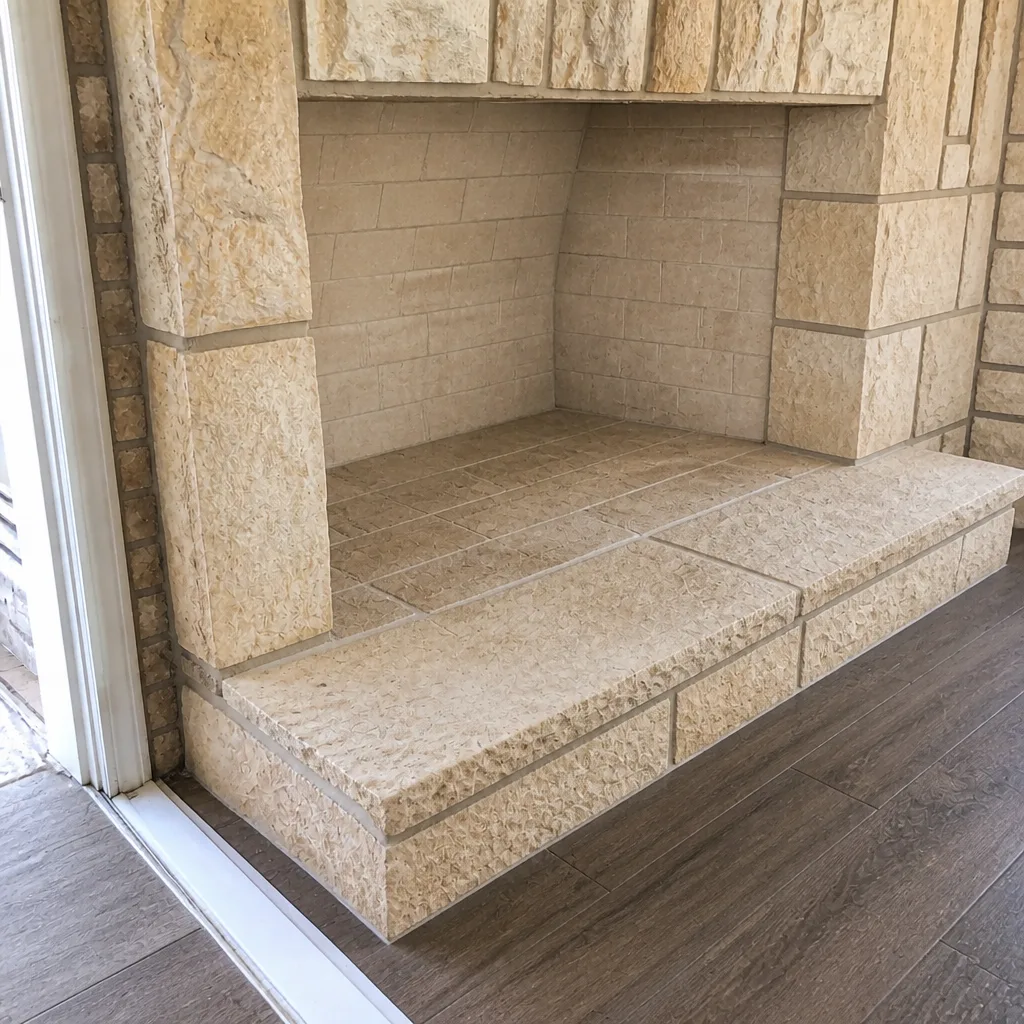
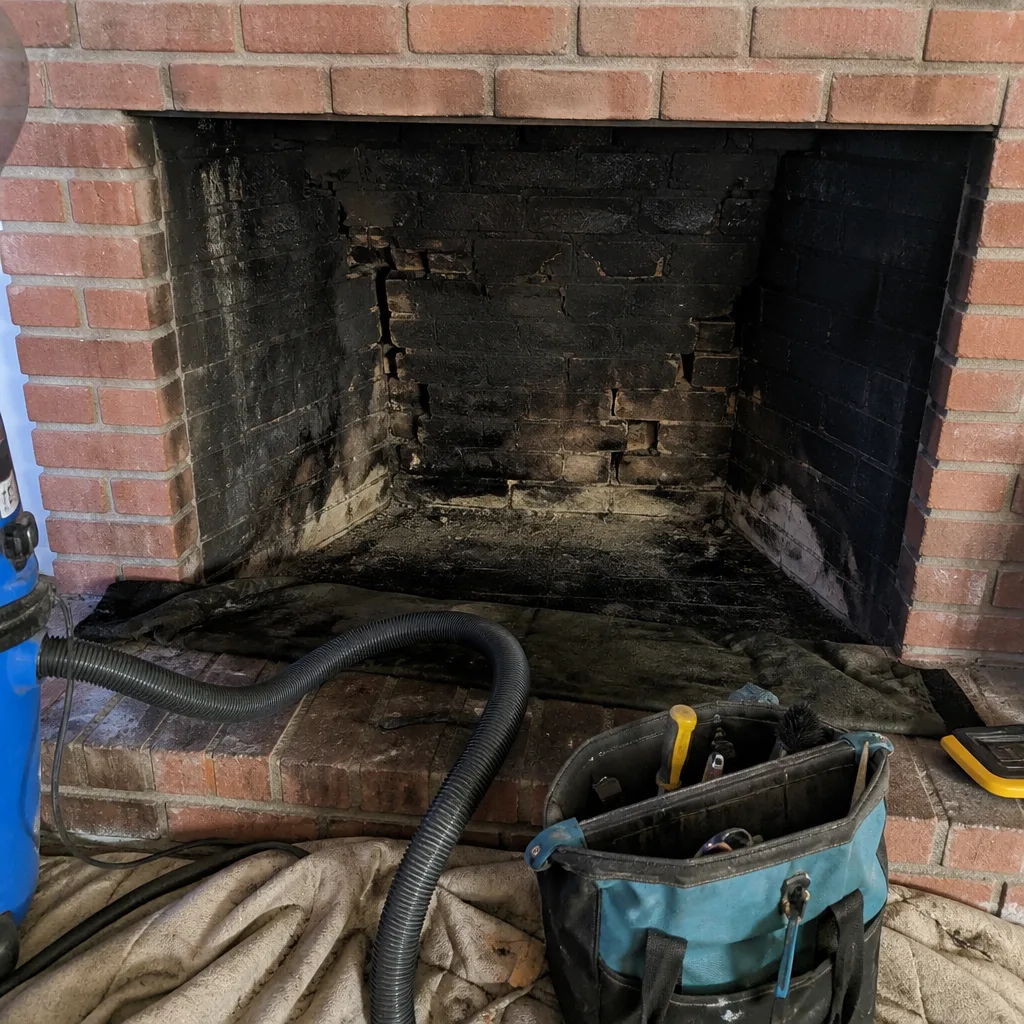 Before
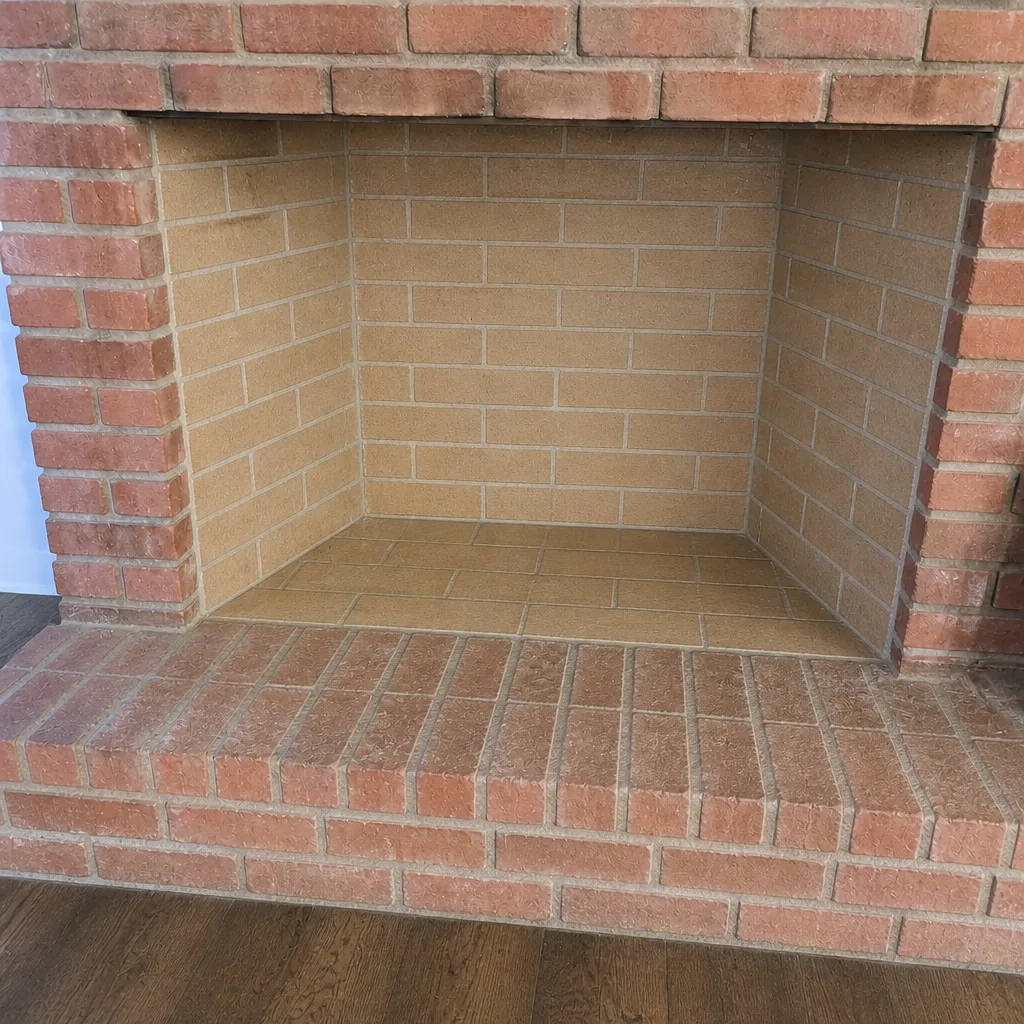 After
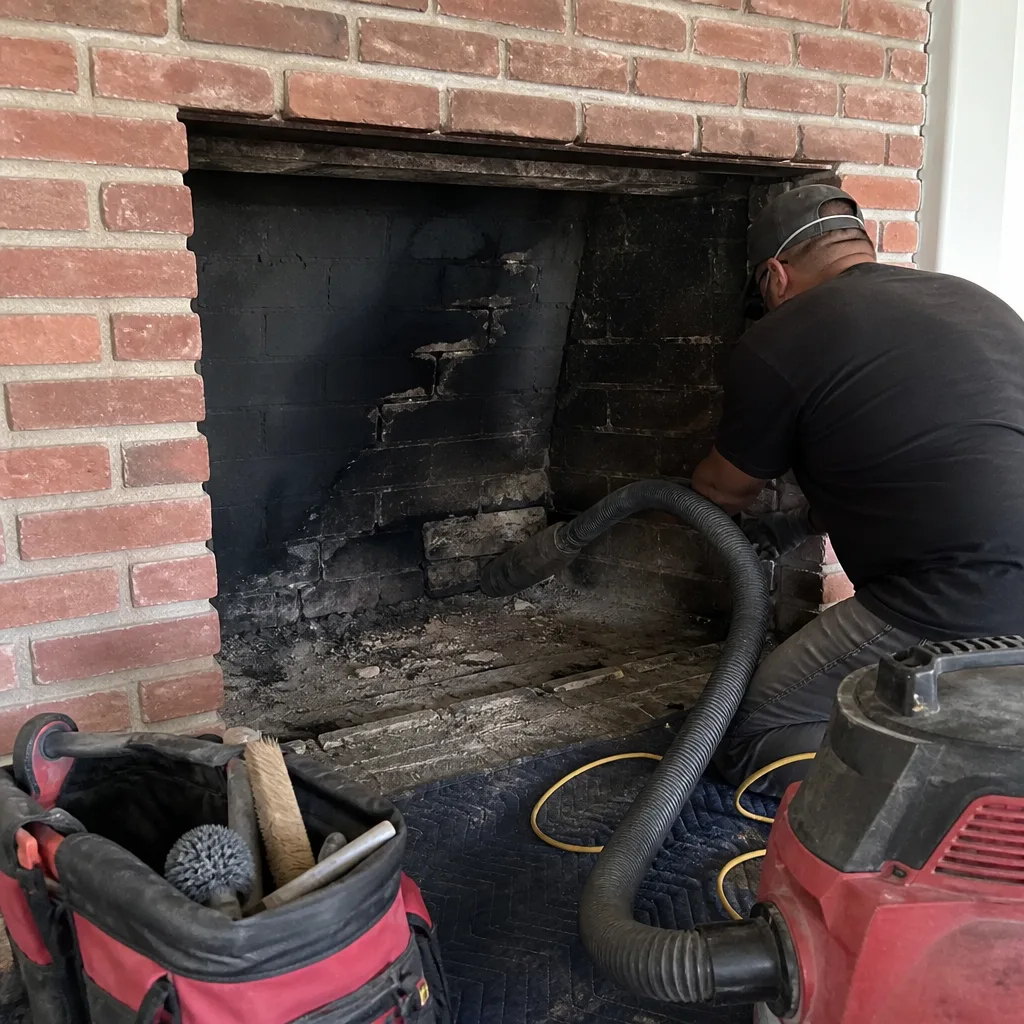
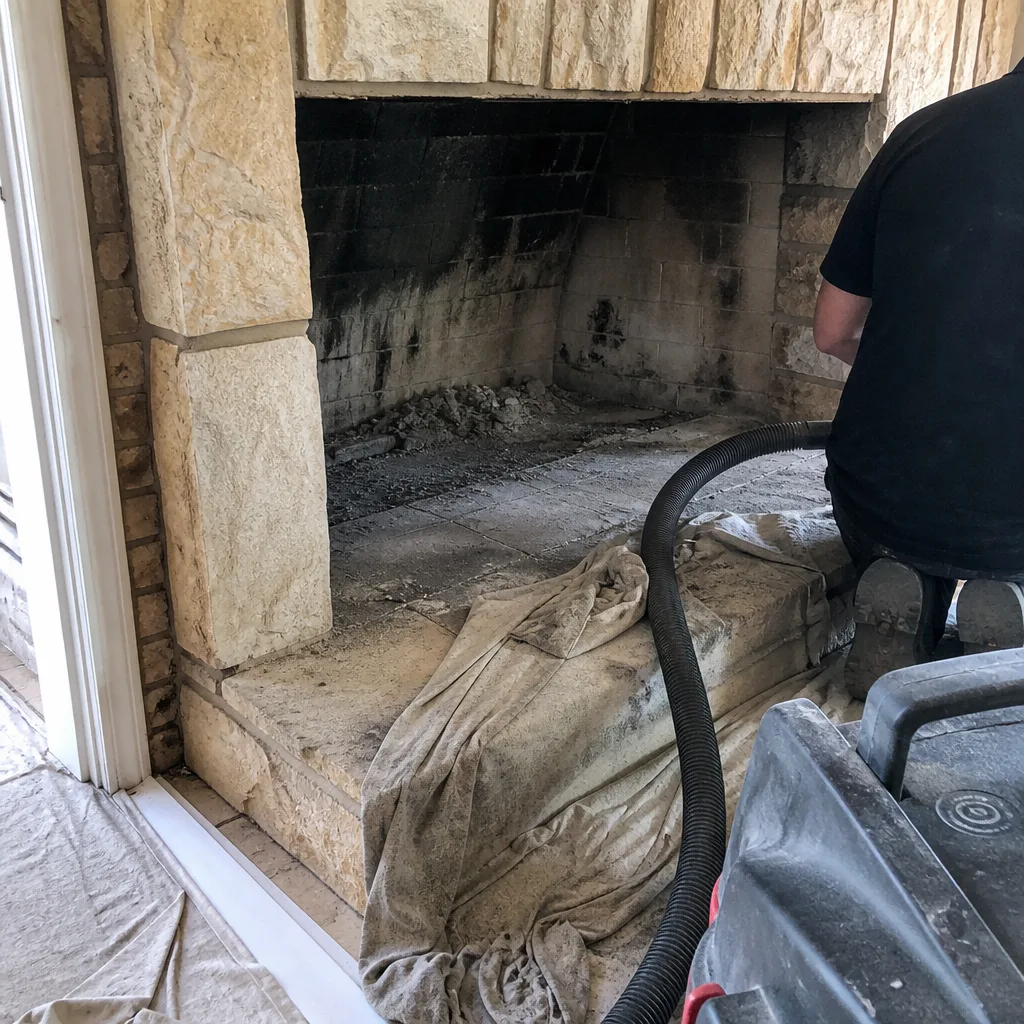 Before
 After
 Before
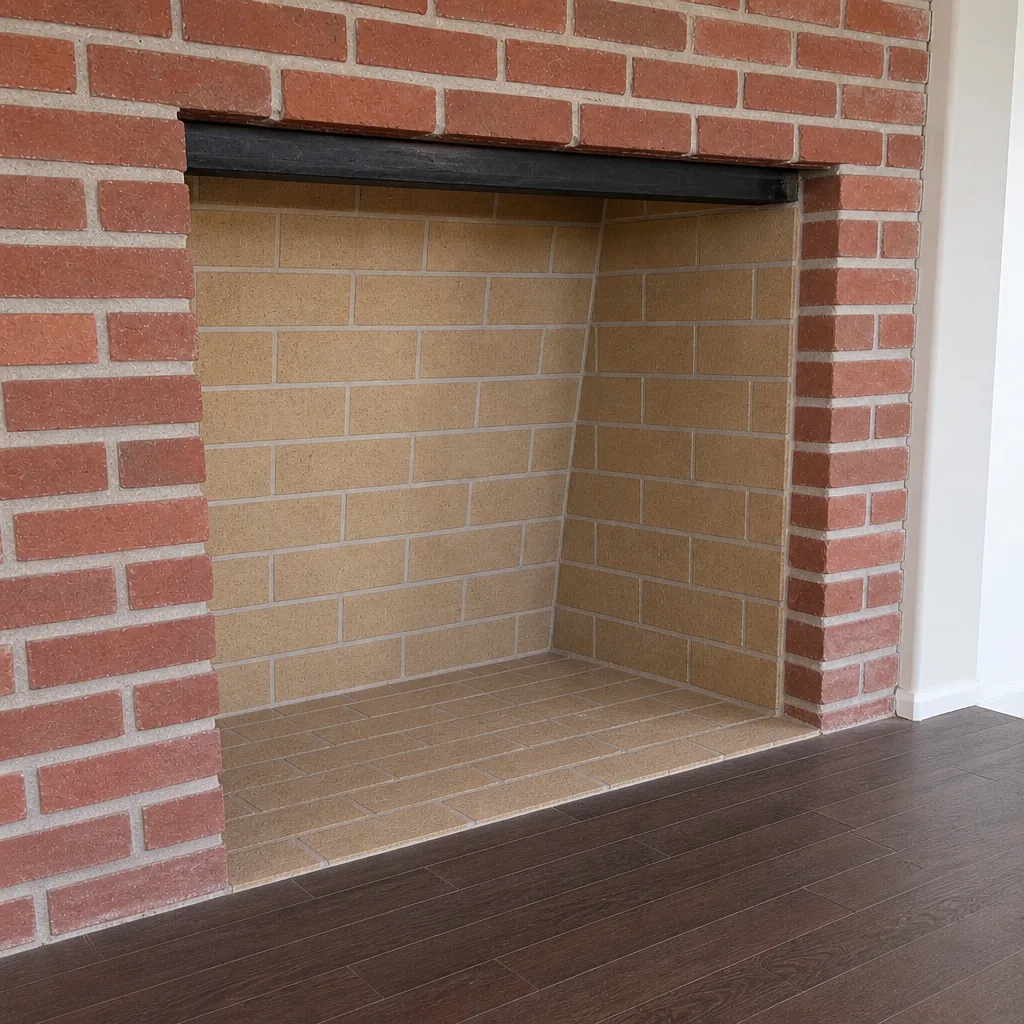 After
When to Call a Professional
Call for a professional inspection if any of the following are true: you’ve noticed a smell from the fireplace on a hot day, you’ve seen white efflorescence on the exterior, you have a cracked crown or missing cap, there’s visible rust or staining inside the firebox, the damper sticks or won’t seal, you’ve just purchased the property and don’t have a documented inspection history for the chimney, or you can’t remember the last time the chimney was serviced. Also call if a carbon monoxide alarm has gone off in the home, or if you’ve seen smoke back up into the room when a fire is lit. Mission Viejo Chimney Sweep Pros offers free estimates in Mission Viejo. Call (844) 443-3825. We answer 24/7. Fast dispatch from 7am to 7pm, Sunday through Friday.
Frequently Asked Questions
Creosote odor, creosote visible on the smoke shelf, or a strong smell from the firebox after a hot day. Those are the most reliable early indicators that the flue has accumulated enough creosote deposit to warrant a sweep. A visible buildup of creosote inside the flue itself is the most definitive sign, but you generally can’t see that without a professional look. Call (844) 443-3825 if you’re seeing odor or visible soot – estimates are free.
It can be. A musty or animal smell often points to an animal nest, droppings, or organic growth inside the flue or on the smoke shelf. Nesting material and animal waste are both air-quality and fire concerns, and a bird or squirrel nest can block the flue almost entirely. This one deserves an inspection before the next fire. Call (844) 443-3825 for an assessment – estimates are free.
It’s efflorescence, and it means water is moving through the masonry. The white crust is the mineral deposit left behind after moisture dissolves salts from the brick and mortar and then evaporates at the surface. On a Mission Viejo chimney, recurring efflorescence usually traces back to a failing crown, a missing cap, or deteriorated mortar joints. It’s an early structural signal, not a cleaning issue. Call (844) 443-3825 to have the source of the moisture identified – estimates are free.
At least once a year, and always before the next burn season if the fireplace has sat unused or the home has just changed hands. A mild climate makes a missed inspection easy, because the house doesn’t get a dramatic winter that reminds you. If the chimney has been through a season of fires, or if there’s any sign of moisture, run the inspection before the next lighting. Call (844) 443-3825 to schedule – estimates are free.
Some can, but only after a professional has seen them. A faint, isolated patch of efflorescence or light surface rust on the cap can be noted and re-checked after the next heavy rain. Dark staining, recurring efflorescence, cracked firebrick, and any crack in the firebox or liner cannot wait. That’s the distinction an inspection exists to make. Call (844) 443-3825 if you’re unsure which category your sign falls into – estimates are free.
Creosote continues to accumulate, and the small deposit that was harmless in one season begins to glaze and harden in the next. Moisture continues working through any crack in the crown or cap, expanding the masonry damage with each rainstorm. The warning signs you skipped tend to become repair recommendations a season or two later, and the cost of repair usually grows faster than the cost of prevention. Call (844) 443-3825 before the next burn season – estimates are free.
The Bottom Line
The loud chimney warnings get noticed; the quiet ones don’t, and that’s the risk in a mild climate. Watch for three things: smell (creosote on hot days, musty, sulfur), exterior signs (efflorescence, crown cracks, missing cap, spalling brick), and interior signs (staining above the damper, rust, flaking firebrick). Sort what you find into monitor, schedule an inspection, and stop-use. Take a five-minute interior check and a five-minute exterior check each season, and compare what you find to last season. A professional inspection turns the guesswork into a documented diagnosis. Call (844) 443-3825 for a free estimate in Mission Viejo. We answer 24/7. Fast dispatch from 7am to 7pm, Sunday through Friday.
Written by the team at Mission Viejo Chimney Sweep Pros.