
Last updated November 25, 2026
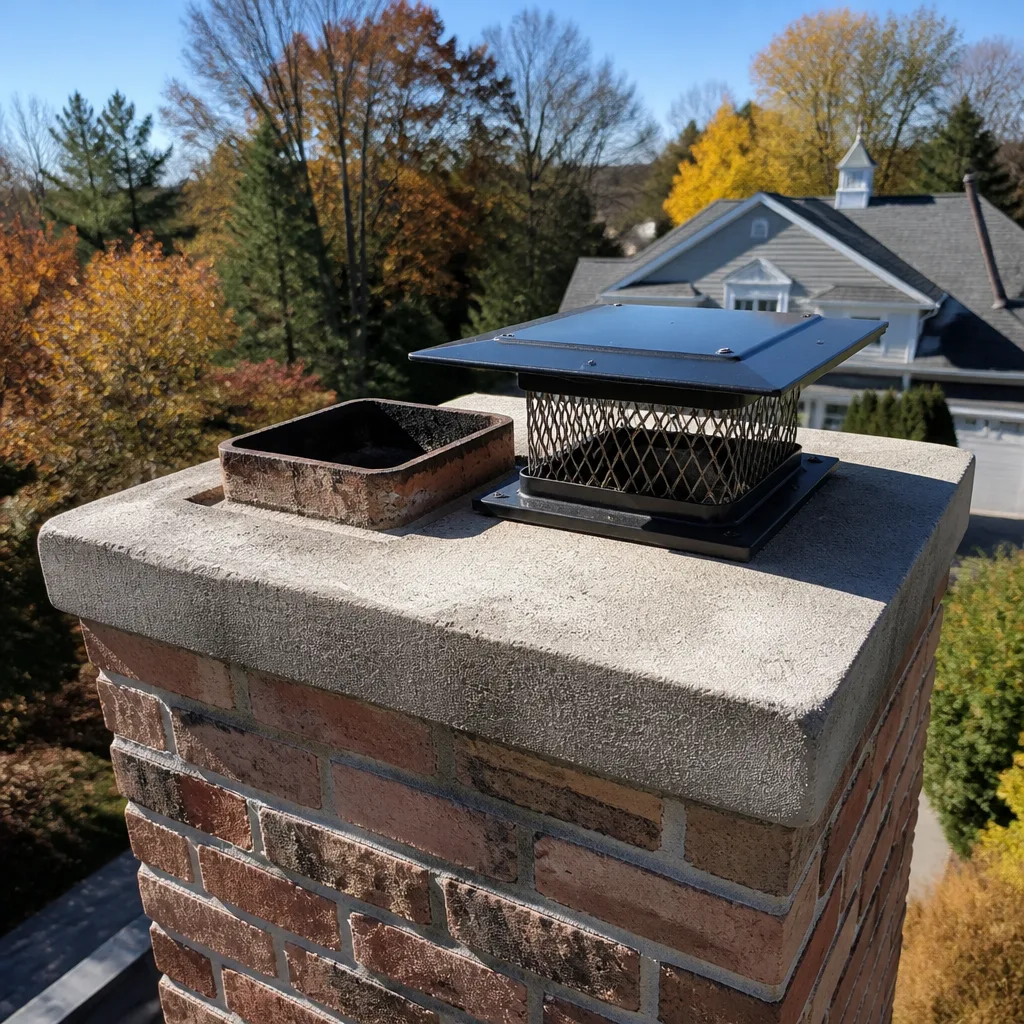 Sweep & inspection
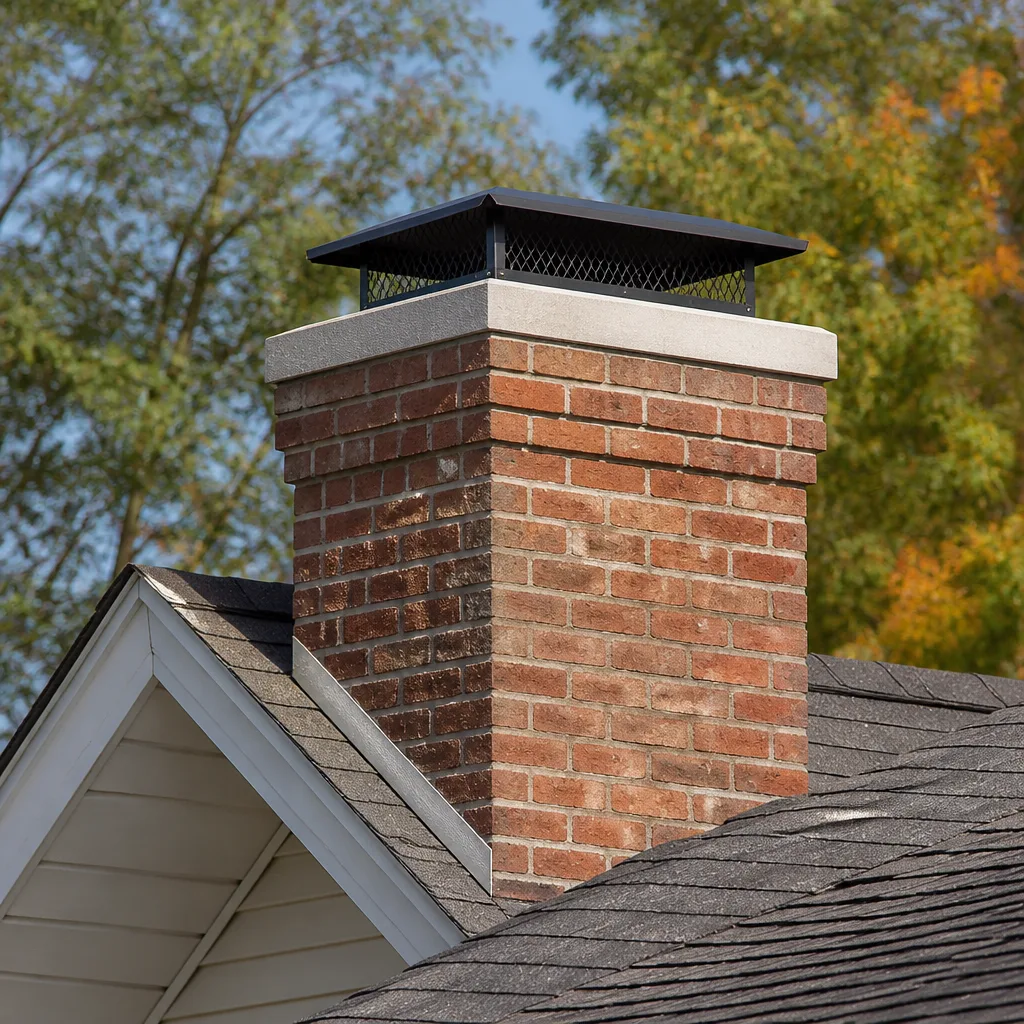 Caps & crowns
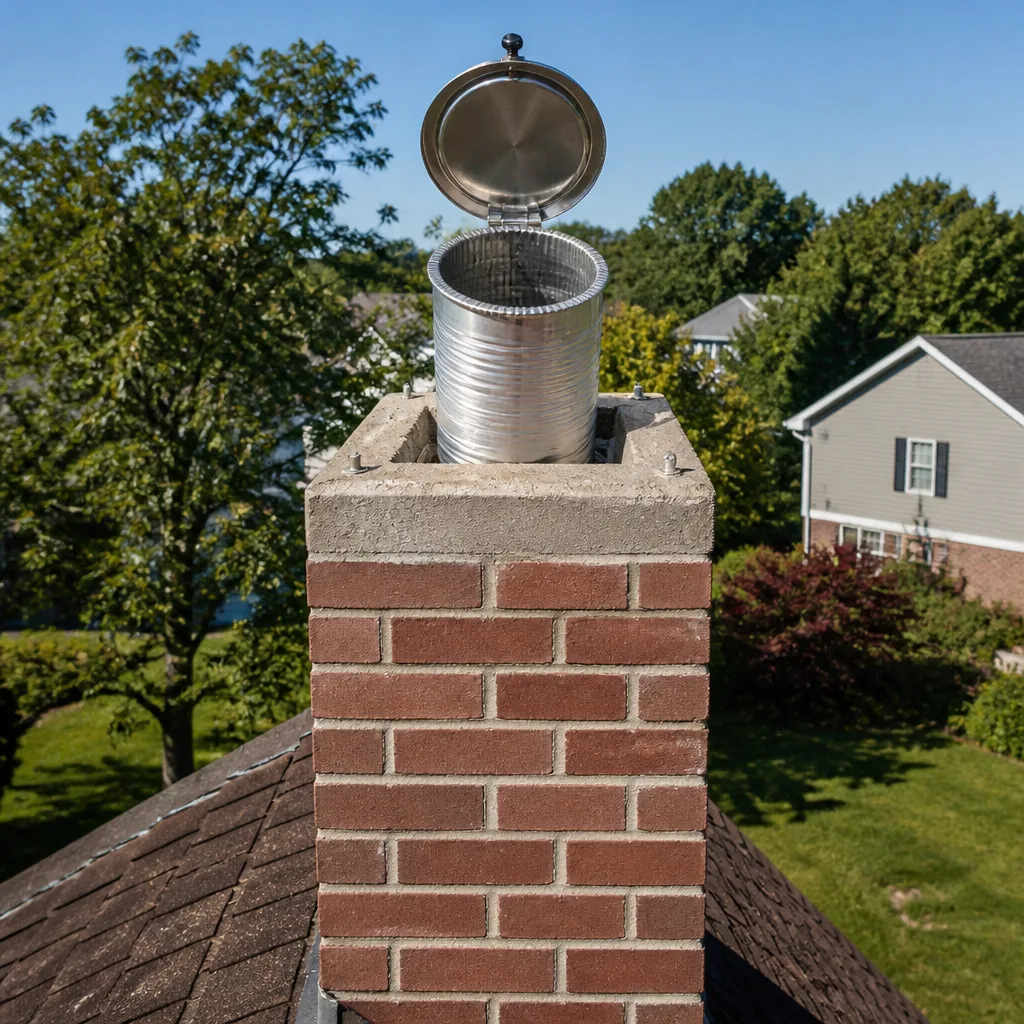 Flue relining
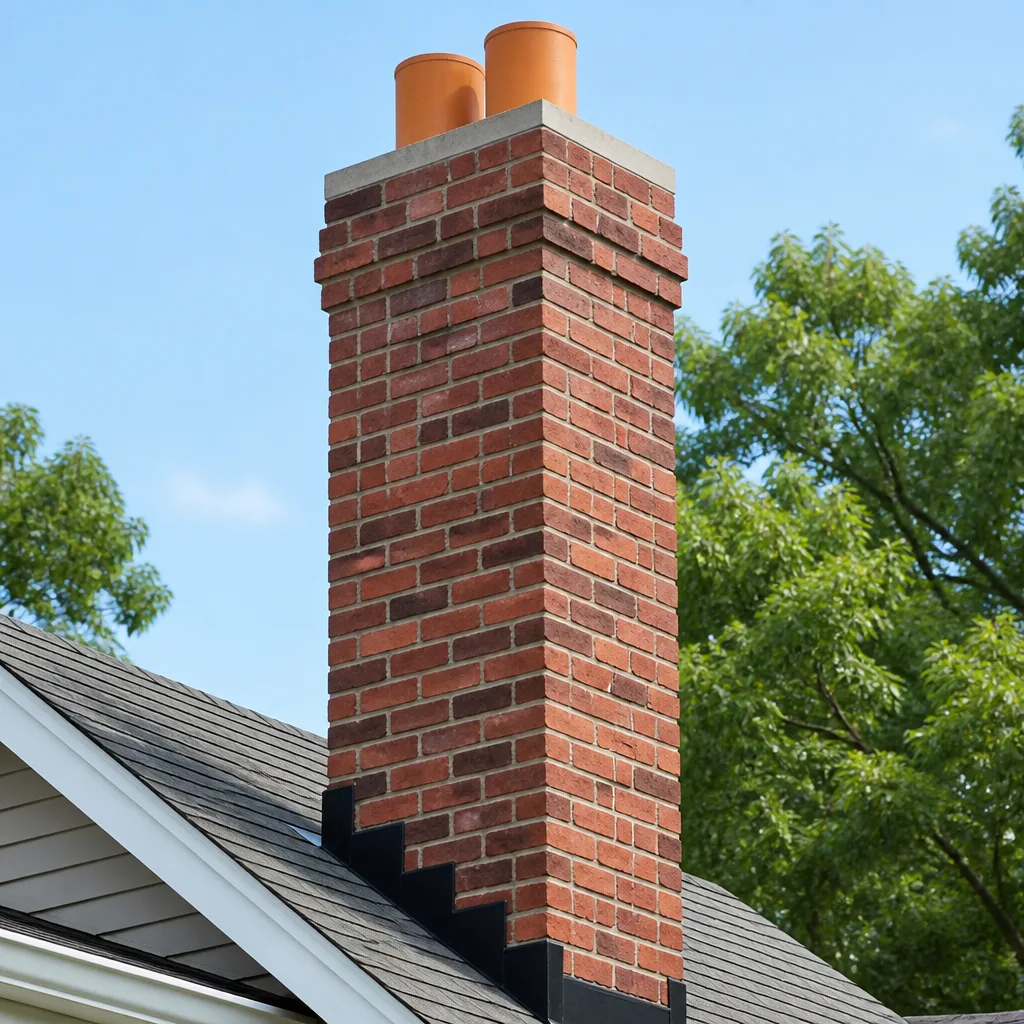 Masonry repair
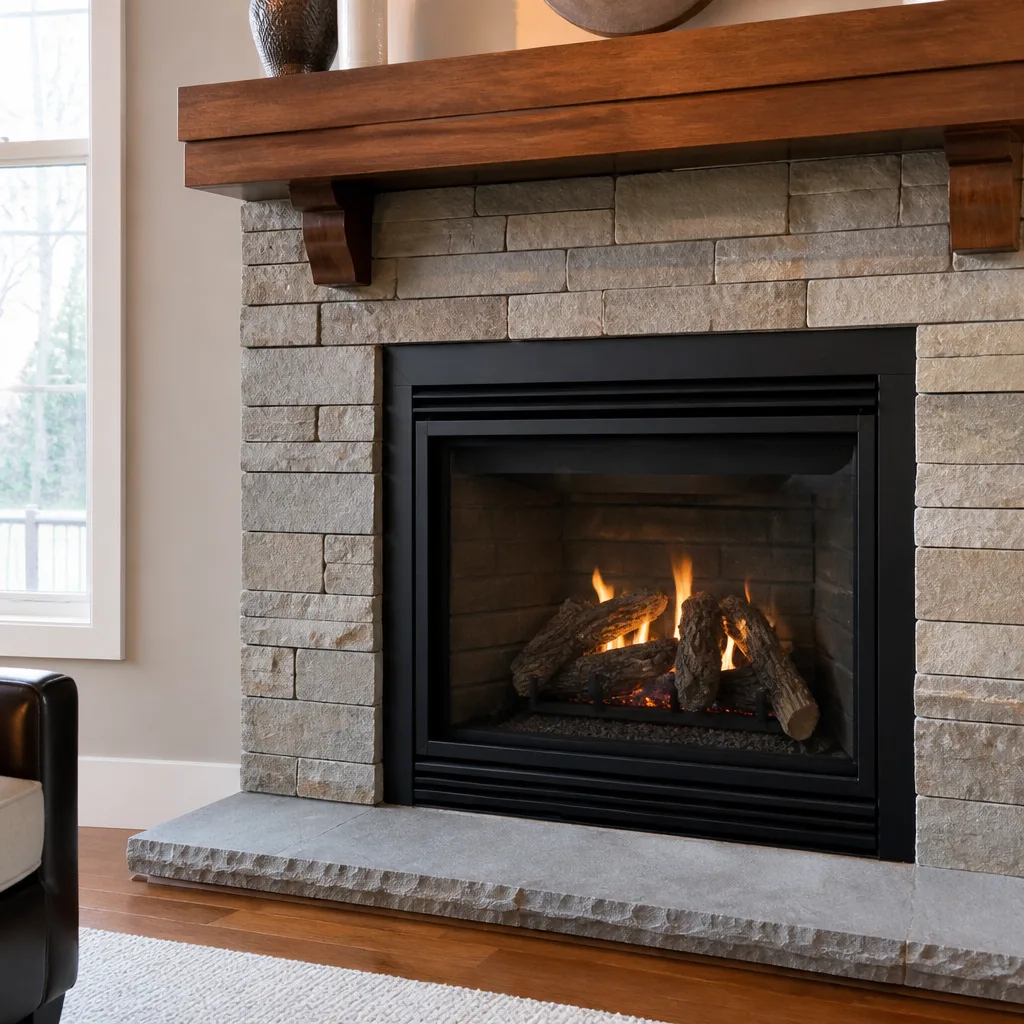 Gas fireplace service
Level 1 sweep and inspection to the NFPA 211 annual standard - flue, crown, cap, and flashing checked and photographed
Chimney sweep logs do not sweep chimneys. They loosen some creosote - which then falls where a brush and vacuum still have to collect it.
Choosing the Right Chimney Cleaning Brand: A Buyer’s Guide for Mission Viejo
Most homeowners have no idea what brand of chimney cap or liner was installed on their home. That means they also have no way to verify its warranty, gauge its quality, or confirm a contractor didn’t substitute a cheaper part after the estimate was signed. In Mission Viejo, where wood-burning fireplaces are common in the hillside neighborhoods and gas inserts show up in plenty of the newer tracts, this information gap costs homeowners real money over time. We’ve watched too many families discover the liner behind their firebox is builder-grade galvanized steel only after a problem surfaces. This guide closes that knowledge gap. You’ll learn which product categories actually determine chimney safety, how to read an estimate so material substitutions can’t happen, what stainless steel gauge means for longevity, and how to register the warranty on every component a professional installs.
Quick Answer
The right chimney cleaning brand is less important than the right chimney product brands on your system. Sweeping is a service; caps, liners, dampers, and crown sealants are products, and the brand and grade of those products determine how long your chimney lasts. Professional-grade lines like Gelco, Olympia Chimney, Famco, and Copperfield exist specifically to meet trade standards for weather resistance and fire safety. Builder-grade substitutes often don’t. Ask any contractor you hire to name the exact brand and model they’ll install before you sign.
Styles & brands we work with
- Sweep & inspection
- Caps & crowns
- Flue relining
- Masonry repair
- Gas fireplace service
Table of Contents
- Where Brand Actually Matters on a Chimney
- Chimney Caps: The Product Category Homeowners Underrate
- Liner Systems and Why Gauge Is the Whole Story
- Damper Assemblies and Crown Sealants
- How to Read a Chimney Estimate for Named Brands
- Questions to Ask About Material Specification
- Registering a Warranty on Chimney Components
- Common Mistakes to Avoid
Where Brand Actually Matters on a Chimney
Chimney work happens in four product categories where brand and grade make a visible difference in how long the system holds up. Within each category, a professional-grade material and a builder-grade substitute can look similar on installation day and diverge sharply a few seasons later.
Here’s the map of where brand matters most. Mission Viejo’s climate – warm, dry summers and mild, occasionally wet winters – punishes poor-quality metal and sealant more slowly than a hard-freeze climate would, which means substandard parts often fail quietly and out of sight rather than dramatically. That’s actually a bigger risk for a homeowner, because there’s no obvious moment when the cheap cap or the thin liner announces itself. The damage simply accumulates.
- Chimney caps. This is the top-of-system shield against rain, animals, and sparks. Caps take the most weather exposure of any chimney component and are also the cheapest item on most estimates, which is exactly why contractors cut corners here.
- Liner systems. The stainless steel flue liner is what carries combustion gases up and out. The gauge and alloy of the liner determine how long it survives heat and moisture cycling.
- Damper assemblies. Top-sealing dampers and throat dampers are mechanical parts with gaskets and springs. Brand influences how well the seal holds and how much energy the fireplace wastes when it’s closed.
- Crown sealants. The crown is the concrete cap at the top of the masonry chimney. Flexible crown sealants in the ChimneySaver family are engineered to bridge hairline cracks and move with the masonry instead of cracking away from it.
Each of these categories has a professional-grade standard and a builder-grade substitution. When you request a chimney repair estimate, the material specification on paper is what protects you. A vague line item like “chimney cap – installed” gives the contractor the flexibility to buy the cheapest unit that fits. A line item that names Gelco, Olympia Chimney, or Famco doesn’t.
Chimney Caps: The Product Category Homeowners Underrate
The chimney cap is the single most replacement-worthy part of a chimney system, and it’s also the part most likely to be substituted. A cap does three jobs: it keeps rain out of the flue, it keeps animals from nesting, and it arrests sparks before they reach the roof. In Mission Viejo, where the dry season makes roof vegetation a real concern, a properly screened stainless cap earns its cost many times over. A builder-grade cap with thin metal and spot-welded screen seams fails in a couple of seasons.
Professional-grade cap brands like Gelco and Famco build their caps around stainless steel mesh and single-piece construction, with welds that survive sun and rain cycling. The difference from a hardware-store cap is in the thickness of the metal, the way the screen is attached, and the mounting hardware that anchors the cap to the flue. A cheap cap rattles loose in wind, rusts along the screen weld, and lets water drip back into the flue crown. A professional-grade cap with a lifetime-rated stainless body holds its shape.
HY-C is another widely recognized brand in this category, known for its full line of caps and top-sealing damper assemblies. When a professional quotes you a cap, ask for the brand, the material, and whether the model is the manufacturer’s standard or a lighter builder version of the same line. Some brands make both, and the contractor’s choice between them tells you a lot about how they buy.
Because a cap is relatively inexpensive compared to a liner, the temptation to substitute is strong. When we inspect a chimney for a Mission Viejo homeowner and see a cap that doesn’t match the rest of the system’s quality, the fix is usually straightforward – and we document it with a photo before recommending anything. For more on what a proper inspection covers, see our guide to a chimney sweep, which pairs with every inspection we perform.
Liner Systems and Why Gauge Is the Whole Story
If there’s one place where brand and grade should never be negotiated, it’s the flue liner. The liner carries smoke, gases, and heat from the firebox to the top of the chimney. When it fails, the failure mode is not cosmetic – it’s structural, and it’s a carbon monoxide exposure risk inside the home. Two liners that look identical from the firebox can be made of very different stainless steel.
The two alloys that show up most in residential liner specification are 304 and 316 stainless steel. Both resist corrosion, but 316 contains molybdenum, which makes it more resistant to chlorides and to the acidic condensate that forms when combustion gases cool on the liner wall. For a wood-burning fireplace in Mission Viejo’s climate, 304 works well for many installations. For gas appliances and for fireplaces that see heavy use, 316 is the safer specification. The price difference on the estimate is real but not dramatic, and the service life difference is measured in years.
DuraFlex is a professional-grade liner brand we specify for relining work, and it’s rated for the full appliance range from wood to gas to oil. Olympia Chimney makes another professional-grade liner system with similar trade-level ratings. Copperfield manufactures specialty liner and damper products used in more nuanced retrofits. All three are trade brands – you won’t typically find them in a big-box aisle, and that’s the point.
Gauge matters as much as alloy. A thicker-walled liner resists puncturing during a future sweep and holds its shape better in a chimney with an irregular flue. Ask the contractor to name both the alloy and the wall thickness on the written estimate. A line item that says only “stainless liner installed” leaves the door open to a thin, cheap substitute.
HeatShield is in a separate category from the liners themselves. It’s a resurfacing system that repairs damaged clay flue tiles by casting a new smooth insulating surface inside the existing flue. It’s a specialty repair that sweep-only companies can’t offer, and it often saves a chimney from a full reline. When a Mission Viejo homeowner learns they need liner work, the honest answer sometimes is that HeatShield resurfacing will do the job for less disruption than a full DuraFlex reline. The right conversation is about evidence, not about picking the more expensive option.
How to Compare Liner Specifications on an Estimate
- Confirm the alloy on the line item (304 or 316).
- Confirm the wall thickness in thousandths of an inch.
- Ask for the brand name and model number, not a generic description.
- Ask whether the liner carries a manufacturer’s lifetime limited warranty for the appliance it’s serving.
- Confirm the insulation method specified for the liner’s exterior, since that affects performance and code compliance.
If the contractor can’t answer these five, that’s your answer about their purchasing practices.
Damper Assemblies and Crown Sealants
The damper assembly is the door at the bottom or at the top of the flue that closes the chimney when the fireplace isn’t in use. A top-sealing damper, made by brands like Lyemance and similar manufacturers, sits at the crown rather than at the throat. It seals tighter than an old cast-iron throat damper and it keeps conditioned air from escaping the house all year. That’s a meaningful consideration in Mission Viejo, where summer cooling costs and winter heating costs both benefit from a properly sealed flue.
The trade-off is mechanical complexity. A top-sealing damper has gaskets, a cable, and a spring mechanism. Brand quality shows up in how well the gasket holds after a few seasons, and how easy the mechanism is to adjust when it eventually needs it. A cheaper damper can work fine in year one and leak by year three.
Crown sealants are the other half of this category. The crown is the sloped concrete top at the peak of a masonry chimney, and it sheds water away from the flue and the brick below. When hairline cracks open in the crown, water enters the chimney structure slowly. In Mission Viejo’s climate, that water intrusion does its damage over a season or two rather than in a single freeze – but it does the damage regardless, and by the time it’s visible inside the house it’s expensive.
ChimneySaver makes one of the leading flexible crown sealants, engineered to bond to masonry and remain flexible enough to bridge small cracks that open in the crown as it cures. A professional-grade sealant in this family will do the job for years; a generic latex roofing sealant will fail within one or two seasons. Gelco and Famco supply crown and cap components rated for long-term weather exposure. If a contractor quotes you “crown repair,” ask specifically what product they’ll apply – the answer tells you whether the repair will last.
How to Read a Chimney Estimate for Named Brands
Reading an estimate is a literacy skill, not a negotiation tactic. The goal is to confirm that the material you’ll receive matches what you thought you were buying. The fastest way to lose that confirmation is to accept a line item that’s vague enough to allow the contractor to substitute whichever product they can buy most cheaply that week. A fireplace repair estimate that names no products is functionally a repair you can’t verify.
Here’s the structure a professional-grade chimney estimate should have. Every line item should identify the product brand and model, the labor, and, where relevant, the manufacturer’s warranty. Here’s how to read what you get:
- Look for brand names, not adjectives. “High-quality stainless cap” is not a specification. “Gelco stainless cap, model [number]” is.
- Look for the alloy on any stainless item. On a liner or cap, the alloy and gauge should both appear.
- Look for the sealant product name on a crown repair. “Crown repair with flexible masonry sealant” is a category, not a product. A brand name is.
- Look for a scope of work section. The estimate should say what’s being removed, what’s being installed, and how it’s being secured.
- Look for the inspection findings summarized in writing. The repair estimate should reference documented findings from the inspection, not just a verbal diagnosis in the driveway.
- Look for the warranty line. Every material that carries a manufacturer’s warranty should have that warranty named.
If your estimate reads “cap and crown services – $X” with no brand details, ask for a revised one. Professional-grade materials cost somewhat more than builder-grade substitutes, and the estimate should reflect that – not hide it. The written estimate sets the final price. Material upgrades or substitutions after the fact should require a change order, not an assumption.
Questions to Ask About Material Specification
The questions a contractor can and can’t answer before they come out to inspect tell you everything about their purchasing practices. A crew that buys professional-grade product knows its material specification by heart and names it in conversation the way a mechanic names a part number. A crew that buys based on whatever the supply house has in stock gives vague answers because they don’t have a standard.
Here are the questions we’d want any Mission Viejo homeowner to ask us, and to ask any other company they’re considering:
- “What brand of cap do you install as standard, and what’s the upgrade?” A clear answer means the company has a product standard. A vague answer means they buy whatever’s on the shelf.
- “What alloy and gauge do you specify for relining?” If they can’t name both 304 and 316 and explain when to use each, the spec is being chosen for price rather than performance.
- “Who manufactures the liner you install, and what’s its warranty?” Professional brands stand behind their products. A contractor who can’t name the manufacturer likely can’t register the warranty either.
- “What’s specified for crown repair?” A professional-grade answer involves a named flexible masonry sealant. A generic answer involves a tube of caulk from the paint aisle.
- “Do you document inspection findings with photos before recommending repair?” Necessary for the repair to be evidence-based rather than upsell-driven.
- “Will the invoice you hand me after the work name the specific products installed?” If not, warranty registration becomes very hard.
Vague answers to any of these are information. They tell you the company doesn’t have a material standard, or doesn’t want you to hold them to one. Neither is a good sign. When we quote repair work for a Mission Viejo homeowner, we write the brand and model on the estimate – DuraFlex liners, HeatShield resurfacing, Gelco caps – because that’s what makes the purchase verifiable. The same principle applies whether the job is a Mission Viejo Chimney Sweep Pros inspection or a full-system repair.
Registering a Warranty on Chimney Components
Warranty registration is the step homeowners most often skip, and it’s the step that costs them the most when a component fails. Most professional-grade chimney products carry a manufacturer’s limited warranty, but that warranty typically applies only if the manufacturer has a record of the installation. If you don’t register, you’re relying entirely on the contractor’s goodwill when a part fails.
Registering is straightforward once you know what to ask for. The pieces below are what you’ll need in a complete registration file for a chimney component installed at your Mission Viejo home:
- The manufacturer’s model and serial number. Ask the contractor for the label, or photograph it before the unit is installed.
- The installation date. On the invoice, not in your memory.
- The installer’s name and business contact. The manufacturer’s warranty terms often require this.
- The homeowner’s name and property address. Not the contractor’s address.
- The completed manufacturer registration form or online entry. Most brands provide this directly; ask your contractor for the form if they haven’t given you one.
- A photograph of the installed component. Not required by every manufacturer, but a valuable backup if a warranty claim is contested.
If the contractor can’t or won’t provide this information, that’s a red flag about the product itself. Professional-grade manufacturers make this easy because it serves everyone. Store the file somewhere you’ll find it in five years, because the day a damper fails or a liner shows a defect is exactly the day you’ll want it back.
If you’re working on a full chimney repair rather than a single component, the file should grow to include the inspection report alongside the product documentation. That report is the record of the system’s condition on the day it was repaired, and it’s your baseline if anything is questioned later.
Common Mistakes to Avoid
- Accepting an estimate with no brand names on it. If the line items describe outcomes without identifying products, the contractor has room to substitute. In Mission Viejo, that’s often how a professional-grade liner line item becomes a builder-grade part on installation day.
- Trusting the cap on the chimney without getting evidence of failure. A cap doesn’t usually need replacement on age alone. Ask for the inspection photo of the cap condition before authorizing a swap.
- Letting a contractor choose the liner alloy “based on what’s in stock.” The alloy should be matched to the appliance and use, not to supply house inventory. Ask the question and expect a clear answer.
- Paying for a repair estimate when the diagnosis wasn’t documented. The estimate should be built from an inspection with photos and written findings. Any company that jumps to a repair before inspection is a poor fit.
- Skipping the warranty registration. Every component that carries a manufacturer’s warranty needs a record. Filing is on you, and it’s the one piece of protection you can’t recover after the fact.
- Assuming every company offering “chimney cleaning” in Mission Viejo is set up to repair. Sweep-only operations can’t handle the full system. When a cap, liner, or crown needs attention, you want the same company that inspected it to carry the repair, so nothing gets handed off.
- Treating crown sealant as a generic caulk job. A professional-grade flexible masonry sealant works; a generic latex product fails within a season or two in Mission Viejo’s sun and rain cycle.
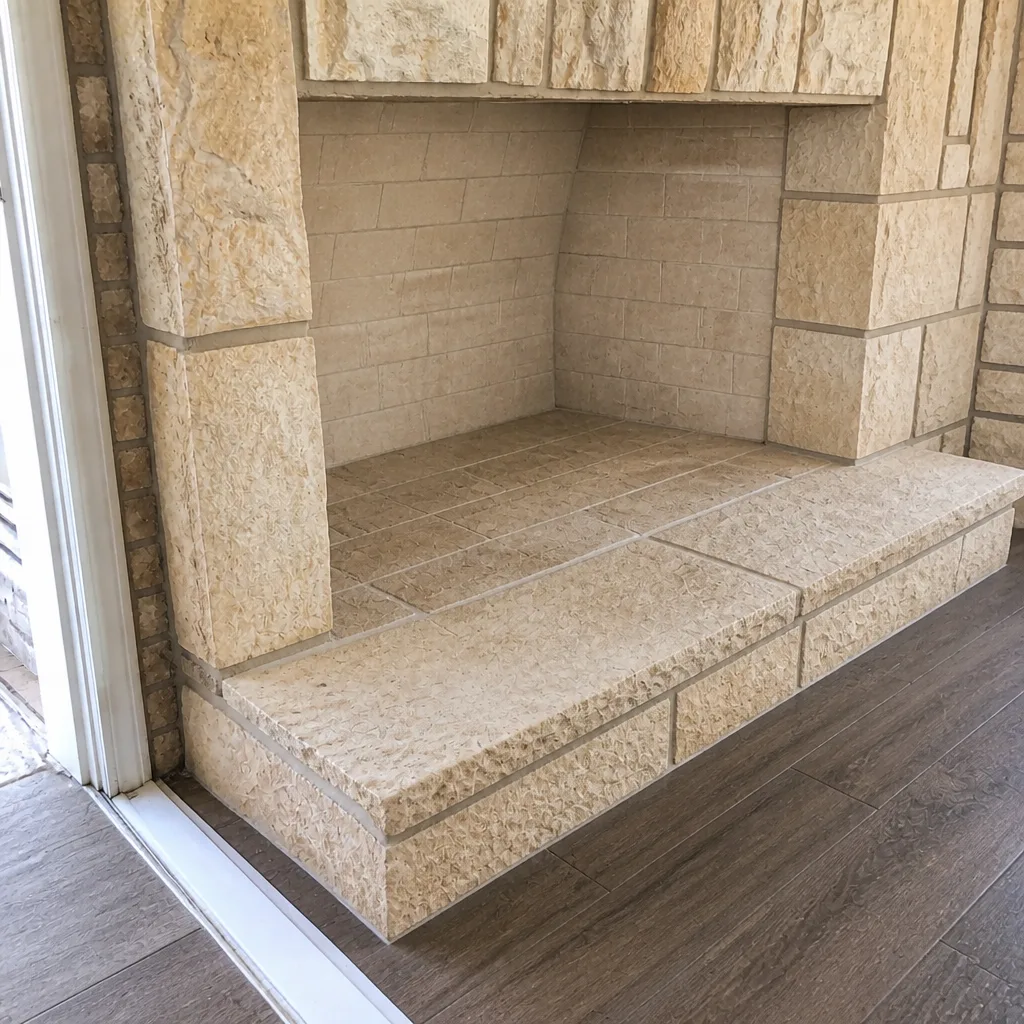
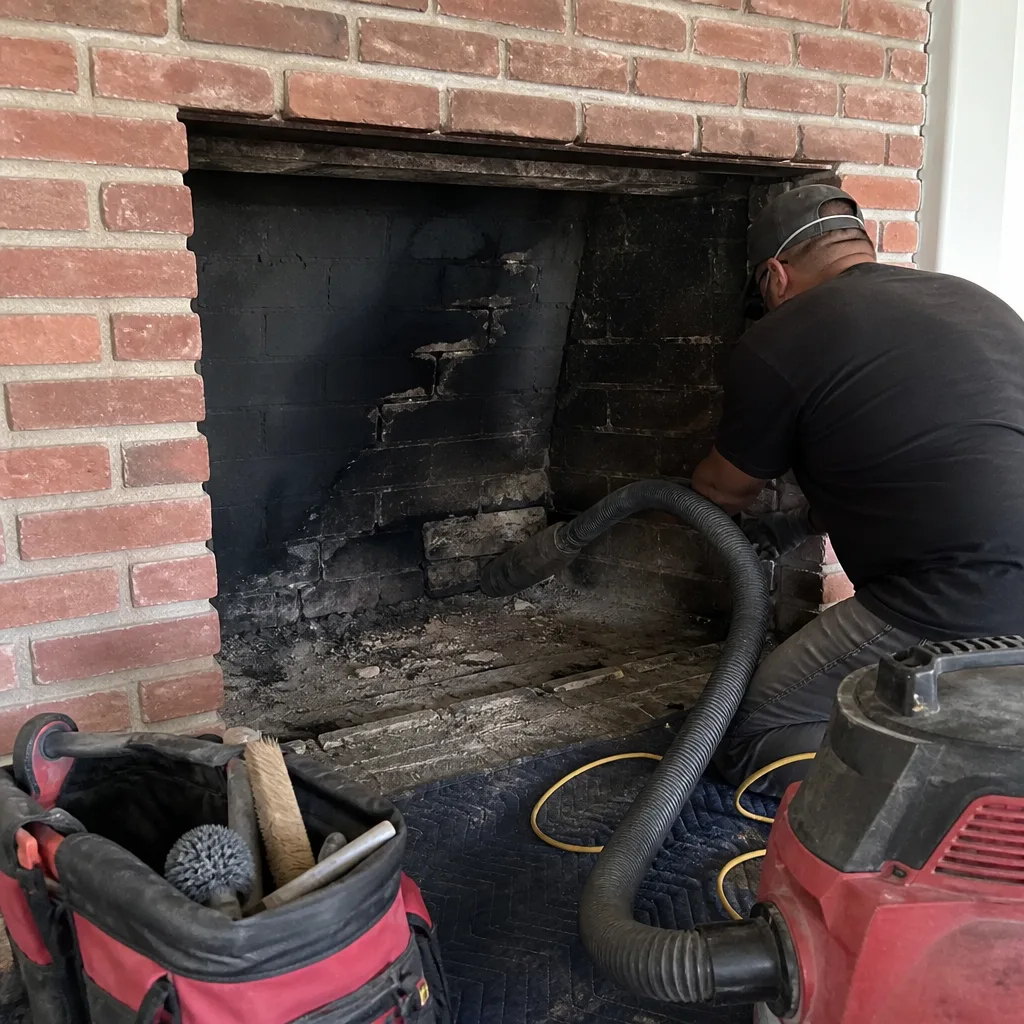
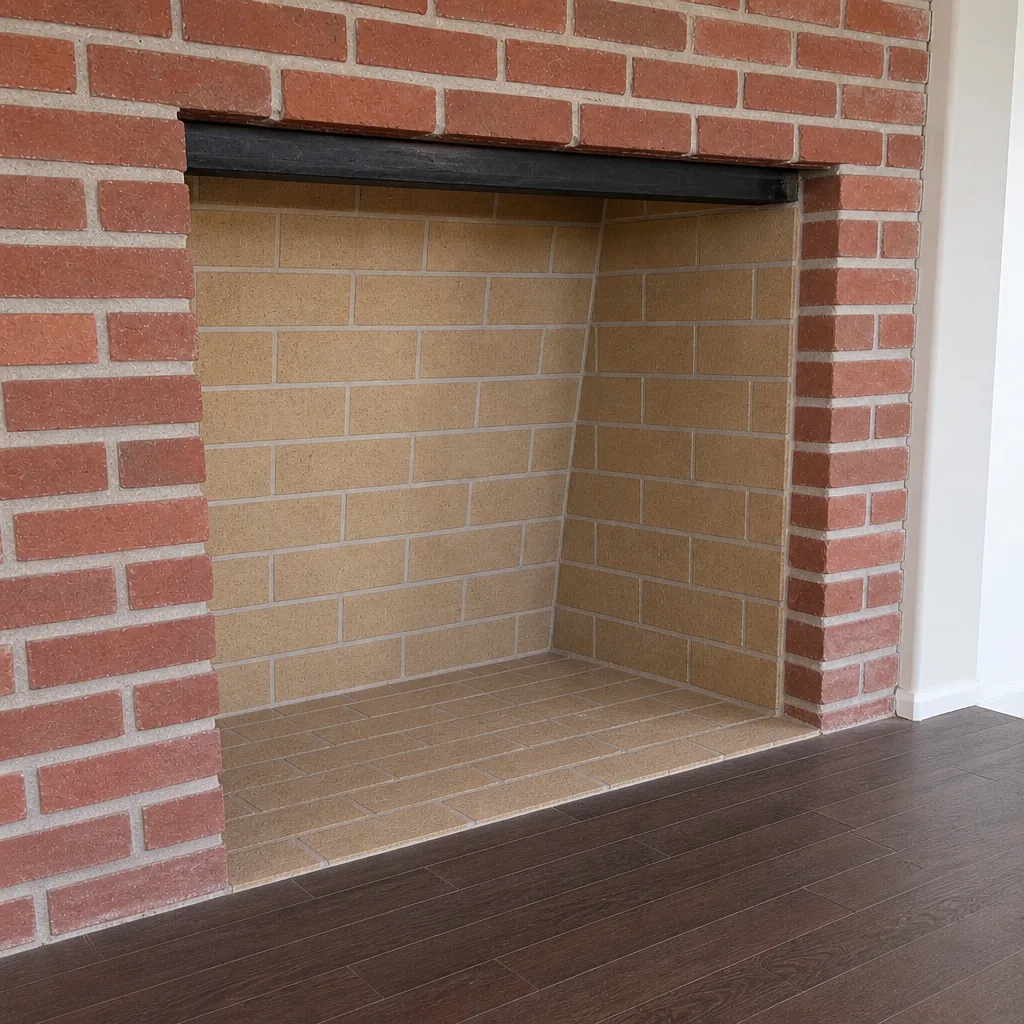
See the difference
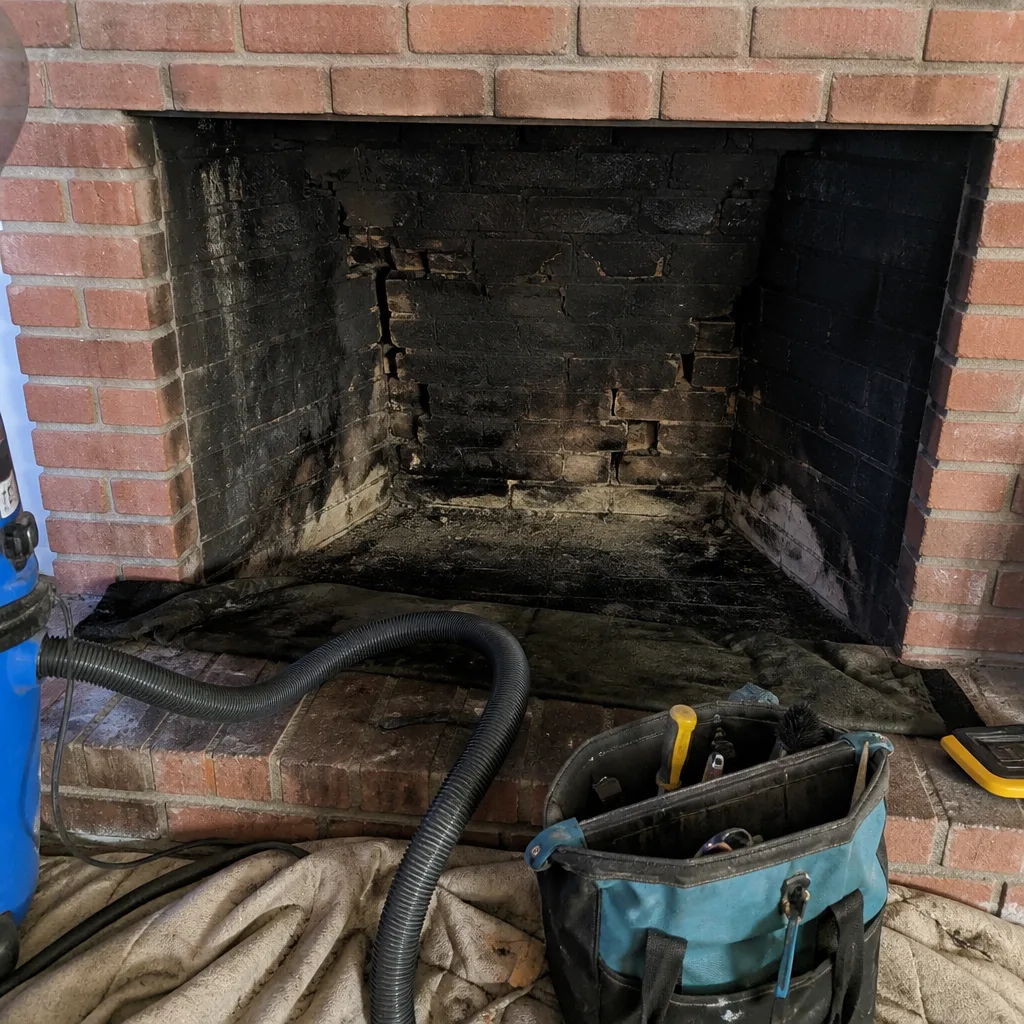 Before
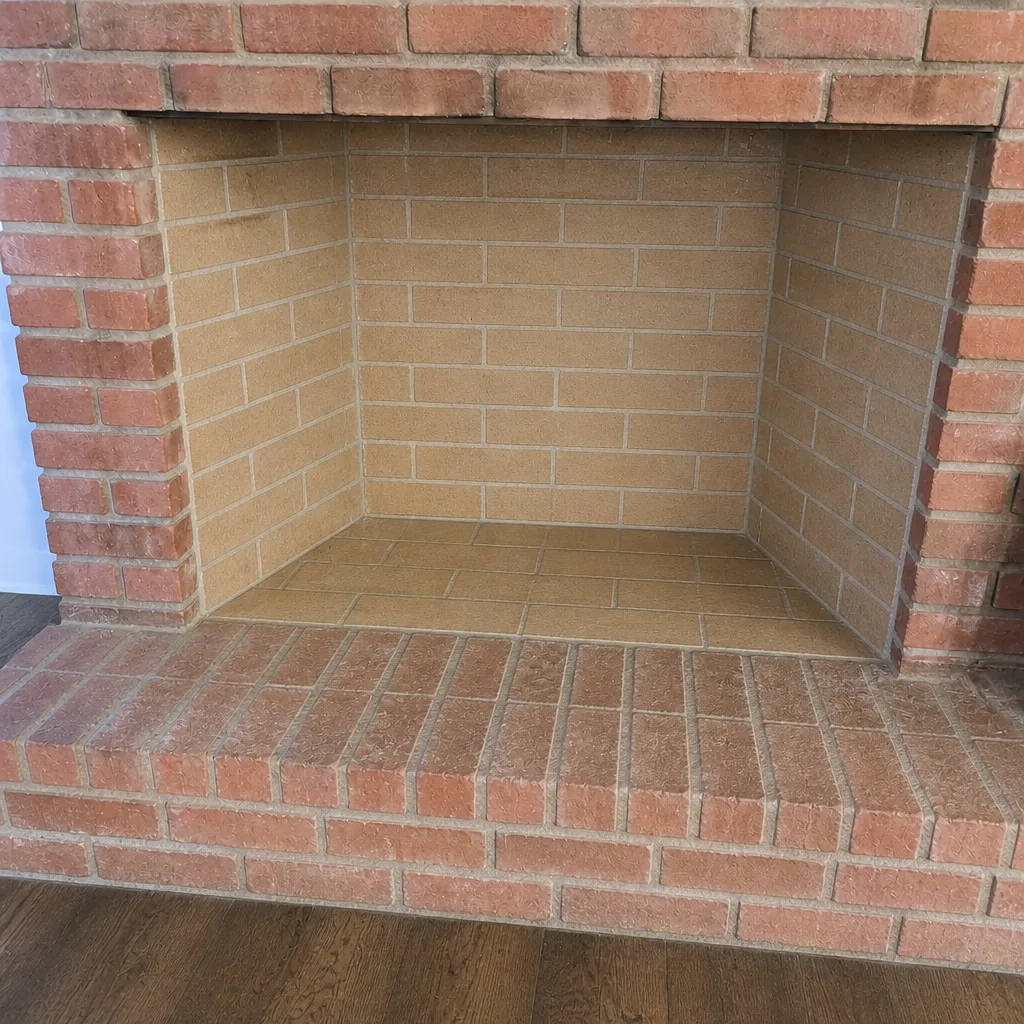 After
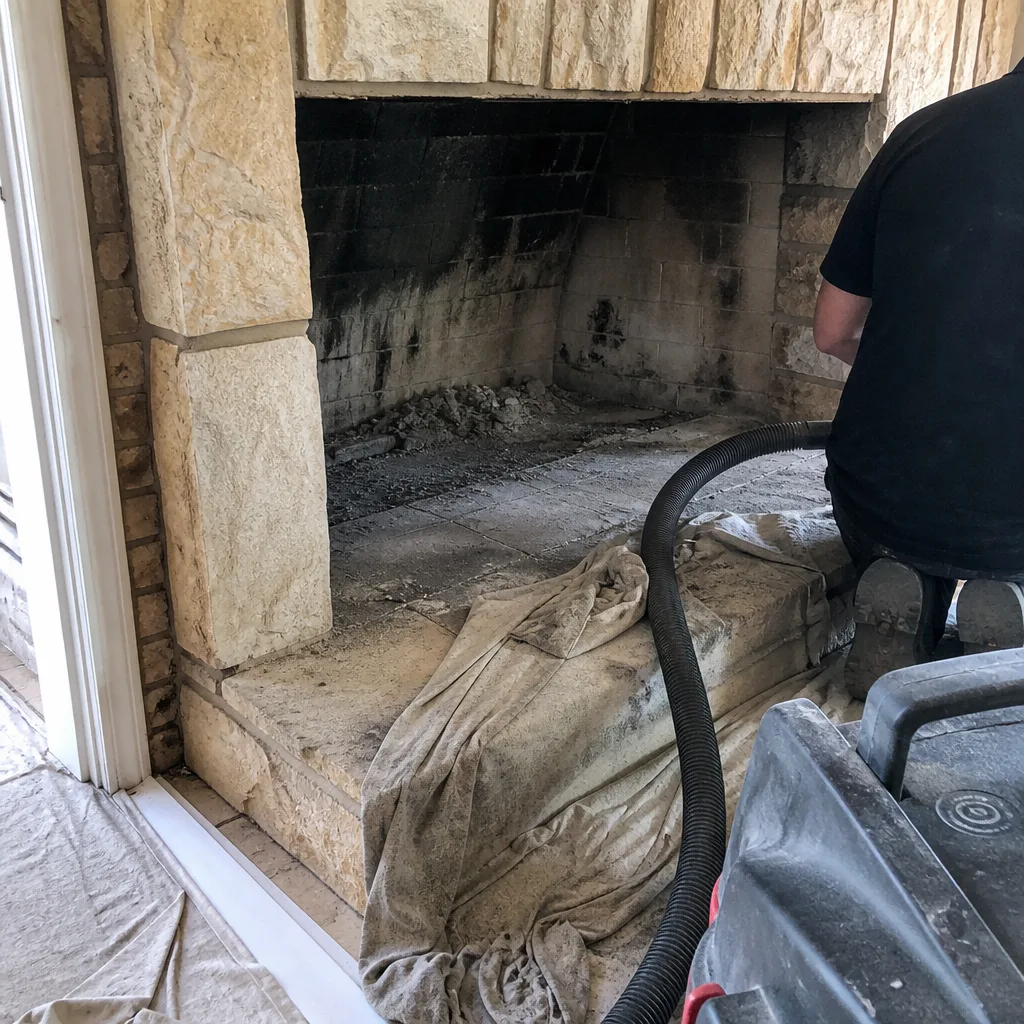 Before
 After
 Before
 After
When to Call a Professional
Some chimney work is DIY territory for a careful homeowner; most of it isn’t. Call a professional when you smell creosote or smoke inside the house when the fireplace isn’t in use, when you see visible cracking or spalling in the firebox masonry, when the cap is damaged or missing, when a top-sealing damper no longer holds its seal, or when the crown has visible cracks. Call before your first burn of the season if the chimney hasn’t been inspected in recent memory – creosote accumulates slowly and invisibly, and the firebox being “clean” from the outside tells you nothing about the flue. Mission Viejo Chimney Sweep Pros offers free estimates in Mission Viejo – call (844) 443-3825. We answer 24/7. Fast dispatch from 7am to 7pm, Sunday through Friday.
Frequently Asked Questions
The brand matters in two places: the equipment the sweep uses and the products installed during repair. A chimney sweep is a service – the tools are professional-grade everything from rods to vacuums – but the brand story for a homeowner really lives in the products on the system after the repair. Caps, liners, dampers, and sealants have brands. A sweep doesn’t leave a product behind. Ask any contractor to name the product brands they install as standard. If they can’t, they don’t have a material standard. Call (844) 443-3825 for an exact quote – estimates are free.
A routine chimney sweep in Mission Viejo typically falls in the range you’d expect for a Southern California market, and the written estimate sets the final price. We don’t quote from the phone because the cost depends on flue configuration, appliance type, and whether an inspection is being bundled with the sweep. The estimate is free. Call (844) 443-3825 for an exact quote – estimates are free.
You need a new liner only if the inspection shows the old one is compromised – cracked clay tiles, gaps, or corrosion in a metal liner. That finding should be documented with photos before any recommendation. If the contractor can’t show you the specific evidence, ask to see it before authorizing the work. HeatShield resurfacing sometimes replaces the need for a full reline, and a diagnosis-first company will offer that option when it applies. Call (844) 443-3825 for an exact quote – estimates are free.
Most wood-burning chimneys need a sweep when about an eighth of an inch of creosote has built up on the flue walls, which for typical Mission Viejo use usually falls somewhere between once a year and once every two years. Gas fireplaces usually need less frequent sweeping but still need periodic inspection. The right answer depends on how much you burn and what you burn. Call (844) 443-3825 for an exact quote – estimates are free.
Professional-grade cap brands include Gelco and Famco, both of which make stainless steel caps rated for long-term weather exposure. HY-C is another widely recognized brand in the category. The cap-brand question matters because caps take the most weather exposure of any chimney component, and cheap caps fail quietly. Ask for the specific brand and model before installing. Call (844) 443-3825 for an exact quote – estimates are free.
Skipping chimney maintenance in Mission Viejo means creosote builds up in the flue and water enters the crown and cap over time. Creosote is the fuel for chimney fires, and water intrusion damages masonry, sealants, and even the interior structure of the house. Neither failure announces itself early. An annual inspection catches both before they become expensive. Call (844) 443-3825 for an exact quote – estimates are free.
The Bottom Line
Brand literacy is your single best protection as a homeowner buying chimney work. The names on the estimate – Gelco, Olympia Chimney, Famco, Copperfield, DuraFlex, HeatShield, ChimneySaver – tell you what’s actually being installed. The alloy and gauge tell you how long it will last. The warranty registration file you build tells you what happens if it doesn’t. Professional-grade materials cost a little more and last substantially longer, and the contractor who can name them on paper is the one who will stand behind them. Our technicians have up to 10 years of experience with the products that make up a full chimney system, from the firebox to the cap. A swept chimney and a safe chimney aren’t always the same thing – inspection tells you which you have.
If you’re in Mission Viejo and want a documented look at your chimney system before the next burning season, call Mission Viejo Chimney Sweep Pros at (844) 443-3825. We answer 24/7, with fast dispatch from 7am to 7pm, Sunday through Friday. Estimates are free, and every recommendation is documented with camera evidence before anything is quoted.
Written by the team at Mission Viejo Chimney Sweep Pros.