
Last updated November 25, 2026
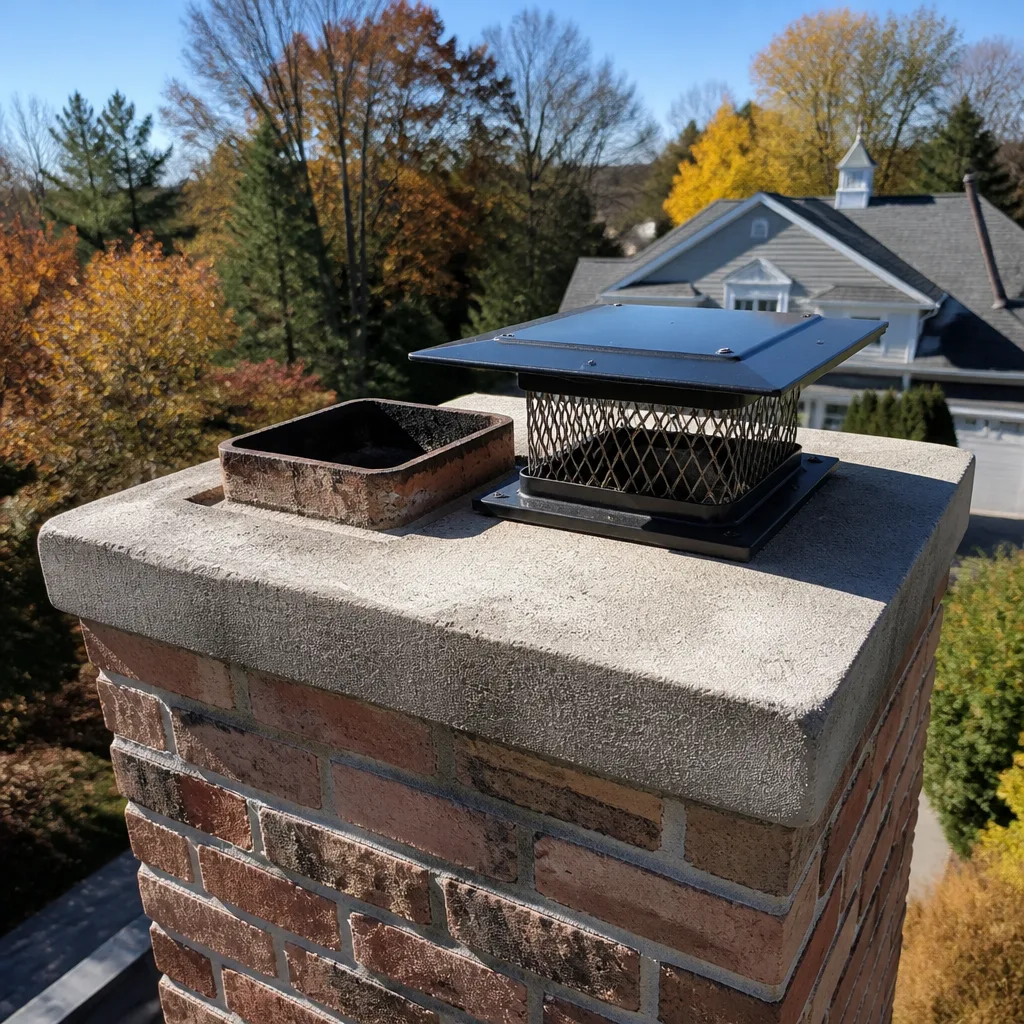 Sweep & inspection
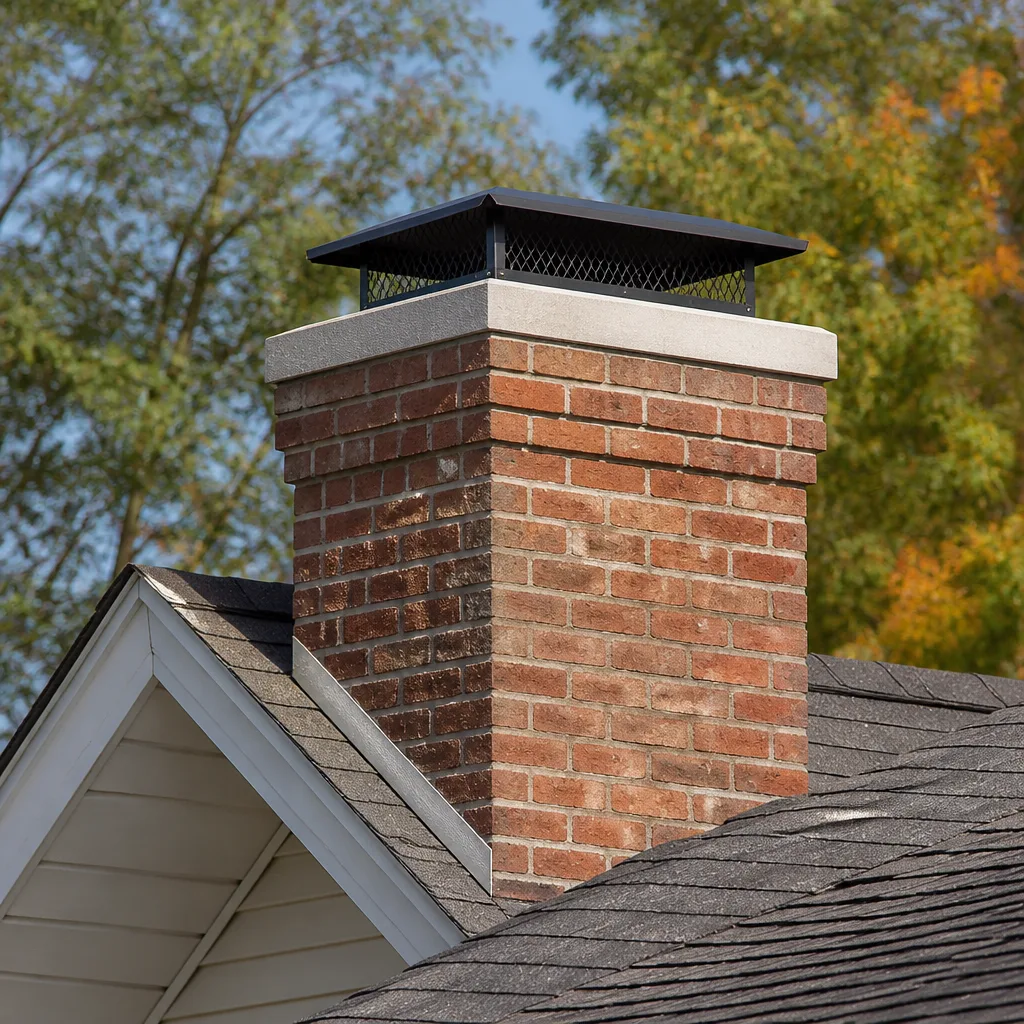 Caps & crowns
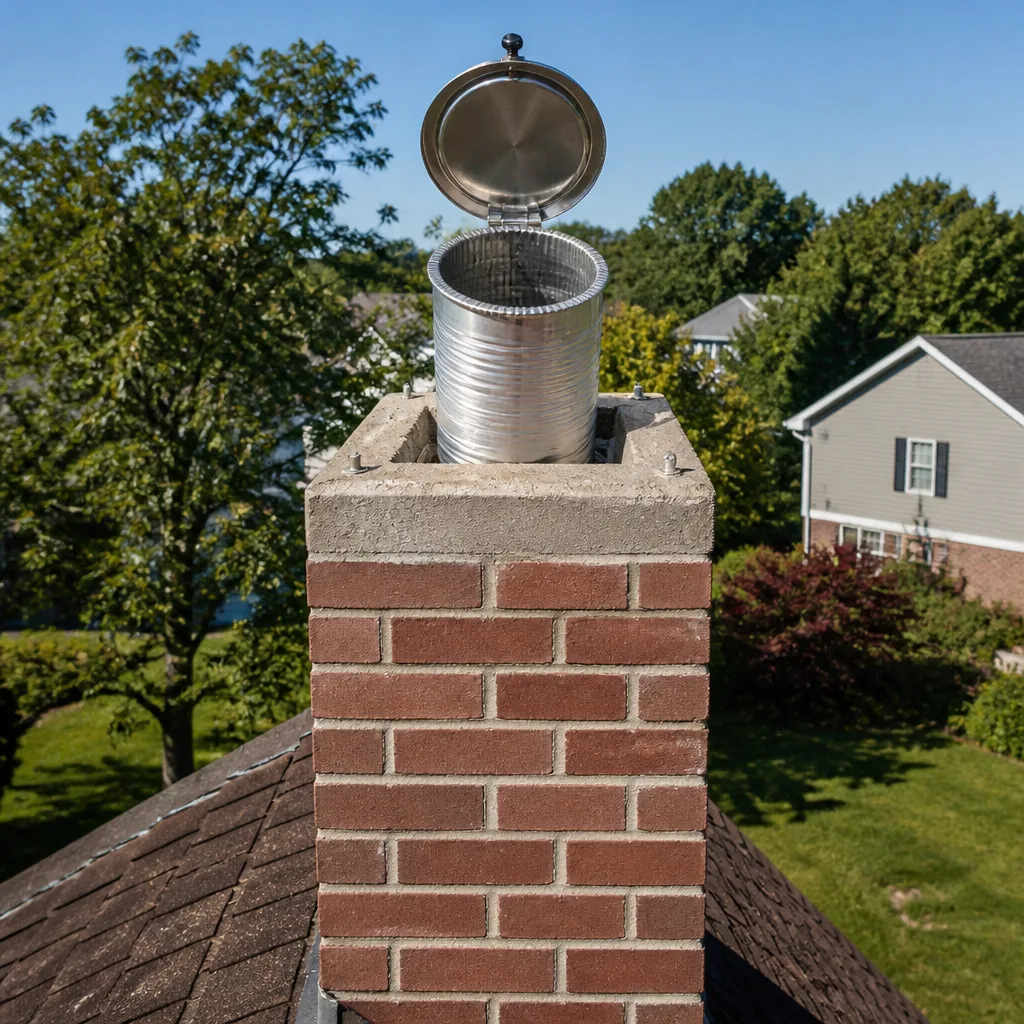 Flue relining
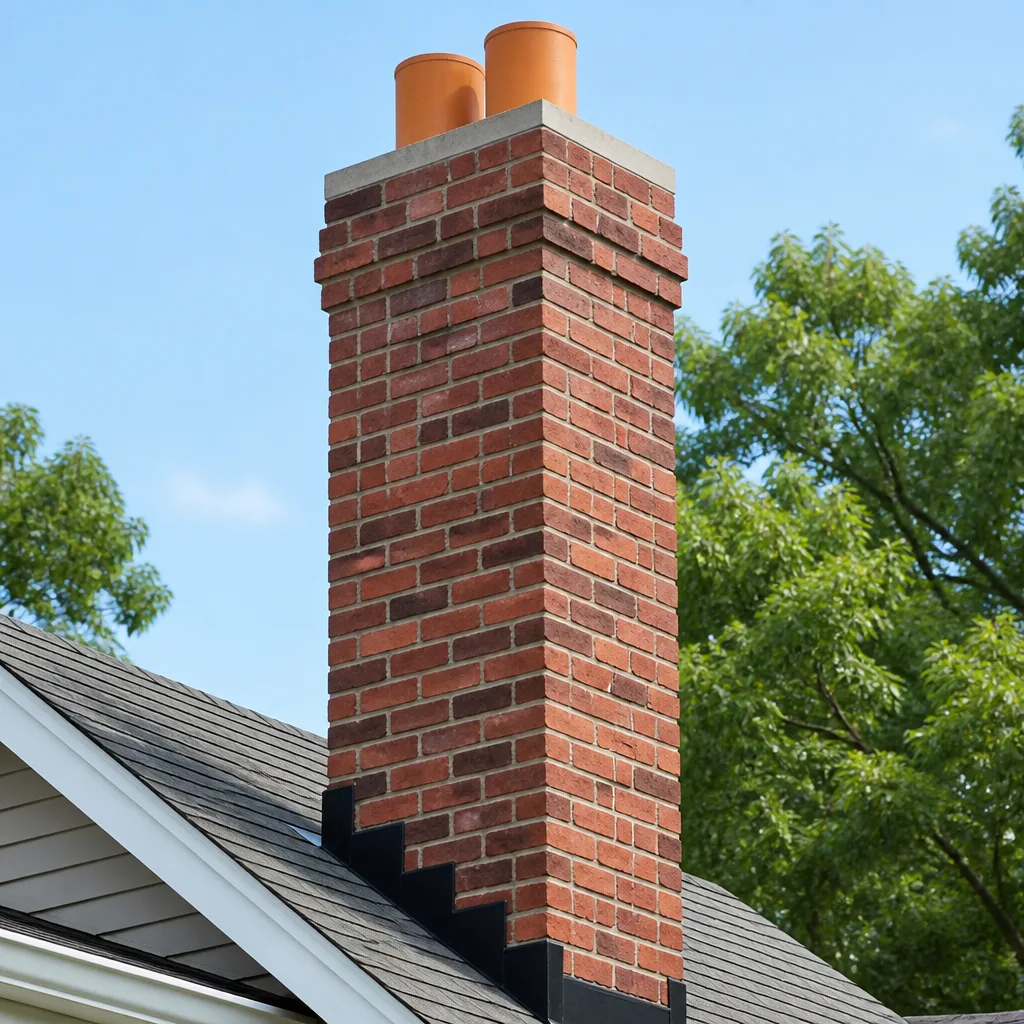 Masonry repair
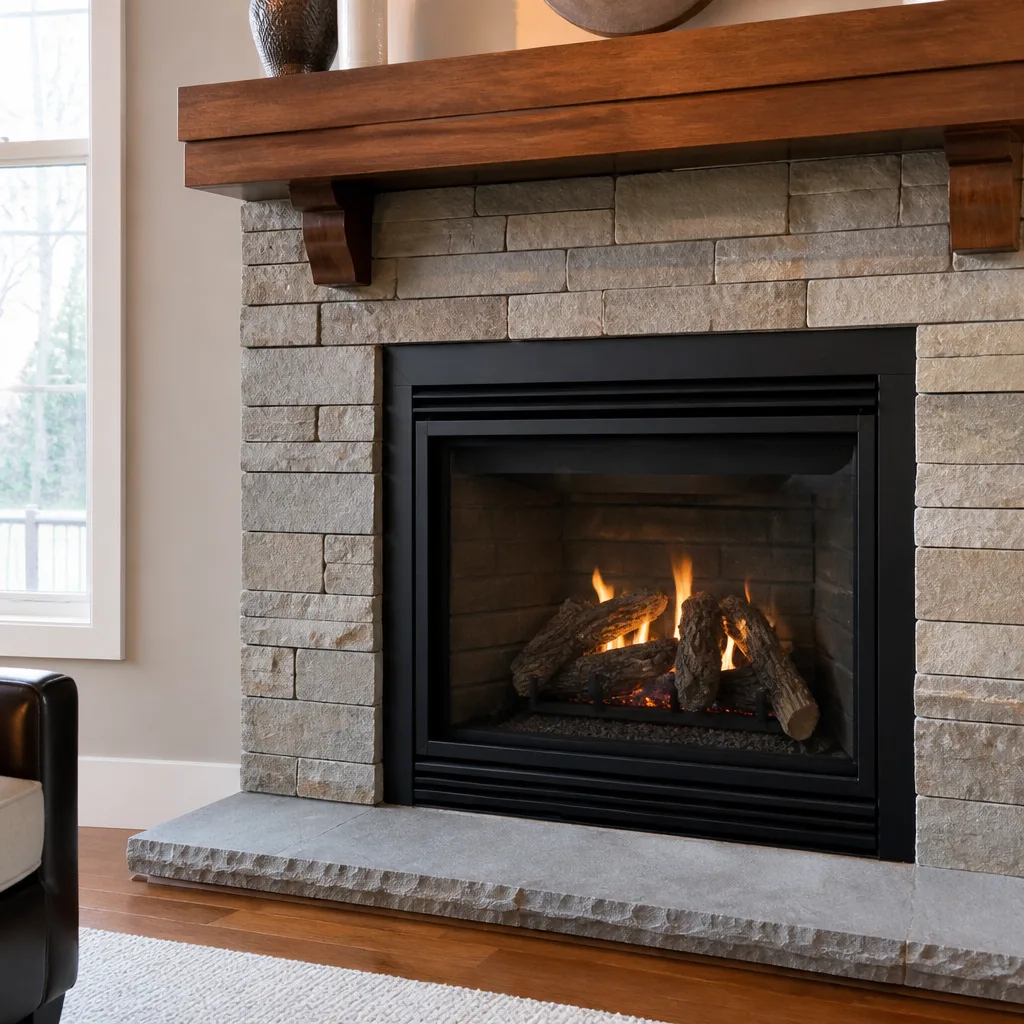 Gas fireplace service
Level 1 sweep and inspection to the NFPA 211 annual standard - flue, crown, cap, and flashing checked and photographed
Chimney sweep logs do not sweep chimneys. They loosen some creosote - which then falls where a brush and vacuum still have to collect it.
How to Hire a Chimney Cleaning Contractor in Mission Viejo: A Step-by-Step Guide
Search “chimney sweep Mission Viejo” and you’ll get pages of results, each promising clean work and fair prices. Here’s the part most homeowners never hear: in California, no license or certification is legally required to call yourself a chimney sweep. Anyone with a brush and a ladder can advertise. The companies worth your money are the ones that can prove they know what they’re looking at, document it, and use materials built to stay in your chimney. This guide walks you through the exact questions to ask, how to read an estimate line by line, and how to spot the operators who pad the bill or disappear after the sweep.
Quick Answer
The best way to hire a chimney cleaning contractor in Mission Viejo is to verify certification before you book (ask for a CSIA credential number and look it up yourself), insist on an in-person or camera inspection before any quote is treated as real, and get a written estimate that names specific materials and parts. A sweep-only crew may be fine for a light cleaning, but a full-system specialist handles the firebox, flue, crown, and cap, and documents every finding with photos so you can see what they see. The written estimate, not the phone quote, should set the final price.
Styles & brands we work with
- Sweep & inspection
- Caps & crowns
- Flue relining
- Masonry repair
- Gas fireplace service
Table of Contents
- The Five Questions to Ask Before You Book
- How to Verify a Chimney Sweep’s Credentials
- Why a Phone Quote Is a Guess, Not a Diagnosis
- Southern California Red Flags to Watch For
- How to Read a Chimney Service Estimate Line by Line
- What Post-Service Documentation Should Look Like
- Common Mistakes to Avoid
- Frequently Asked Questions
The Five Questions to Ask Before You Book
Most homeowners ask two things: how much and how soon. Those are the wrong first questions. The right ones filter out generalists before they ever pull into your driveway. Ask these five on the phone and listen carefully to the answers.
- Are your technicians CSIA-certified, and can you give me the credential number? The Chimney Safety Institute of America runs the recognized certification for this trade. A real answer includes a number you can check, not just the word “certified.”
- Do you inspect before you quote repairs? A yes means the quote is based on evidence. A no means the price is a guess dressed up as a bid.
- Is the inspection done with a camera, and do I get the photos? A camera shows the inside of the flue, the smoke chamber, and the cap. Photos you keep are the difference between a diagnosis and a sales pitch.
- What brands of liner and cap do you install? Vague answers (“good quality materials”) usually hide hardware-store components. Look for named professional lines like DuraFlex, HeatShield, Gelco, or Olympia Chimney.
- Does your company do the repair work, or do you subcontract it out? If the person inspecting hands the job to a third party, accountability splits. One company from inspection to repair keeps the story straight.
In our experience, the call alone tells you most of what you need to know. Crews that answer these clearly have done it hundreds of times. Crews that dodge them are hoping you’ll ask about the weather instead. If you want a starting point, our chimney sweep page lays out what a proper service visit includes. Ask the same of anyone you hire.
How to Verify a Chimney Sweep’s Credentials
Verifying credentials takes about ten minutes and protects you for years. California does not license chimney sweeps the way it licenses electricians or plumbers, so certification is voluntary. That’s exactly why it matters: the technicians who carry it went out of their way to prove competence, take continuing education, and follow a code of conduct.
The CSIA check
The CSIA maintains a searchable directory of certified sweeps. Ask for the technician’s name or credential number, then look it up yourself. A claimed certification that doesn’t appear on the directory is a red flag, not a filing delay.
What else to confirm
- Liability insurance. Ask for a certificate of insurance. Roof access and flue work carry real risk, and you don’t want your homeowner’s policy covering a fall on your roof.
- Workers’ compensation. If a helper gets hurt in your home, this is what keeps you out of it.
- Local business presence. A company with a verifiable business identity in the region is easier to hold accountable than a seasonal operator with a cell phone and a P.O. box.
- Manufacturer authorization. Brands like HeatShield and DuraFlex don’t hand their product lines to just anyone. A crew authorized to install them has been vetted on technique and materials.
None of this is exotic. Any serious contractor expects these questions and answers them without defensiveness. Mission Viejo homeowners are savvy about this sort of thing, and a contractor who acts annoyed by the questions is telling you something.
Why a Phone Quote Is a Guess, Not a Diagnosis
A chimney is a hidden system. The firebox you can see, the flue you can’t. Cracks in the inner liner, gaps in the smoke chamber, a partially blocked flue, a crown that’s cracked and letting water in: none of these show up in a conversation. That’s why a quote given over the phone before anyone looks is a price guess, not a diagnosis.
Consider what happens mid-job when the guessing approach breaks down. A crew quotes a basic sweep, then “discovers” a liner problem and hands you a four-figure bill. You have no camera footage, no written findings, and no way to know whether the repair was real. The pressure to approve it on the spot is enormous.
A diagnosis-first process works differently:
- The technician arrives, lays drop cloths, and inspects the firebox, damper, smoke chamber, flue, and cap.
- A camera goes down the flue, and you see the live feed or the photos.
- You get a written report of what’s actually there, including anything that’s fine and can wait.
- Only then does the conversation about repairs start, with the evidence in front of you.
That difference is the whole ballgame. A swept chimney and a safe chimney aren’t always the same thing, and inspection tells you which you have. The Mission Viejo Chimney Sweep Pros approach works from that principle: document what we find before recommending any repair. Ask every contractor you interview to do the same, and walk away from any who won’t.
Southern California Red Flags to Watch For
Mission Viejo’s mild climate and long burning season keep chimneys in real use for fireplace evenings well into winter. That demand attracts two kinds of operations: established local specialists and out-of-area crews running seasonal campaigns through the region. Telling them apart takes some attention.
- Out-of-area seasonal crews. A company that only advertises here in the cooler months, with no local business identity and no way to reach them after the job, is a problem waiting to happen. If something fails six months later, you want a contractor who’s still around.
- Unbundled upselling after the “inspection.” Watch for a technician who sweeps, then walks out with a list of five urgent repairs and no photos. Repairs may well be needed, but you should see the evidence before the invoice.
- Scare tactics. Phrases like “your house could burn down tonight” are sales pressure. A professional explains the risk accurately and lets you decide the timeline.
- Cash-only demand and no written estimate. Every legitimate contractor puts the price on paper. If the deal only works over the phone, the deal doesn’t work.
- Generalist handymen listing chimney work. A contractor who handles thirty trades won’t have the equipment, the camera, or the brand relationships a chimney system needs. Cap and crown work, liner installation, and resurfacing are specialist skills, not side jobs.
Mission Viejo’s housing stock, much of it built in an era when wood-burning fireplaces were standard, has now seen decades of use. Older chimney systems often need real repair work. That’s precisely why documented diagnosis matters more here than a bargain rate. Our chimney repair team sees that reality every week.
How to Read a Chimney Service Estimate Line by Line
An estimate should read like a parts list, not a wish list. Here’s what separates a professional estimate from a vague one, using the sort of line items you’ll see in this market.
The key test: can you tell what’s being installed, from what brand, and why it’s specified? A vague entry like “cap replacement – $450” tells you nothing about whether you’re getting a $90 hardware-store cap or a stainless component rated for years of weather. A precise line reads more like “Gelco stainless multi-flue cap, sized to flue count, bolted installation.” That’s a quote you can compare against another quote. A vague “chimney repair” line should specify HeatShield resurfacing, a DuraFlex liner run, a crown rebuild, or whatever the actual remedy is, with the brand and part named.
Here’s the rough shape of line items to expect:
- Sweep (per flue): typical and clearly stated, usually a standard rate.
- Level 2 inspection: often included with a sweep or available as a standalone service.
- Cap installation: named brand and material (Gelco, Olympia Chimney, Famco), sized to the flue.
- Crown repair or rebuild: specify materials and method.
- Liner installation: DuraFlex or equivalent by length and diameter, with associated fittings.
- Resurfacing: HeatShield application, with the condition of the flue described.
If a line item is vague, ask. If a contractor can’t or won’t specify, that’s your answer. A good estimate reads like an owner’s manual for your specific chimney. You can find the full breakdown of what our team offers on the fireplace repair page if you want to compare notes.
What Post-Service Documentation Should Look Like
When the crew leaves, you should have more than a clean firebox. The paper trail matters for three good reasons: it protects your insurance claim if a chimney fire ever happens, it’s part of a resale disclosure, and it’s the starting point for the next contractor you hire, even if it’s years from now.
A proper record includes:
- Photos of the flue interior from the camera run, showing the condition at the start and after service.
- A written report identifying what was cleaned, what was found, and what was recommended.
- A clear record of any work declined and the reason it can safely wait, or the risk if it doesn’t.
- Part and material specifications for anything installed, with brand names.
- Date of service and next recommended inspection interval.
If your chimney work is later part of an insurance conversation, a documented service history carries weight. If you ever sell the home, a file of inspection reports and repair records answers buyer questions before they become negotiation points. And for the next contractor, that file is a baseline that saves time and money. Ask any contractor you hire to leave the record in writing.
Common Mistakes to Avoid
- Booking whoever answers the phone first. The first result in a search isn’t the right crew. Ask the five questions, then decide. The two-minute delay is worth it.
- Treating a phone quote as a firm price. A price you can’t verify before the technician shows up isn’t a price, it’s an opening offer. Get it in writing after inspection.
- Hiring a sweep-only company for a chimney that needs repair. A sweep cleans the flue. It doesn’t diagnose liner cracks, resurface a smoke chamber, or rebuild a crown. If your system needs any of that, you’ll need a specialist anyway.
- Accepting verbal findings without documentation. If the findings aren’t in photos and writing, you can’t verify them later. Always ask for the record.
- Assuming a general handyman can handle cap and crown work. Top-of-system vulnerabilities cause most of the water damage we see. Sealing a crown and fitting a cap is a specialty job with specified materials.
- Skipping the annual inspection because the fireplace looks fine. The damage that matters is inside the flue, where you can’t see it. Inspection is a fifteen-minute cost against a much larger repair later.
- Ignoring the slow leak from the cap. Water intrusion from an improperly fitted or missing cap damages the crown, the masonry, and eventually the ceiling below. It’s the quietest expensive problem in the chimney world.
See the difference
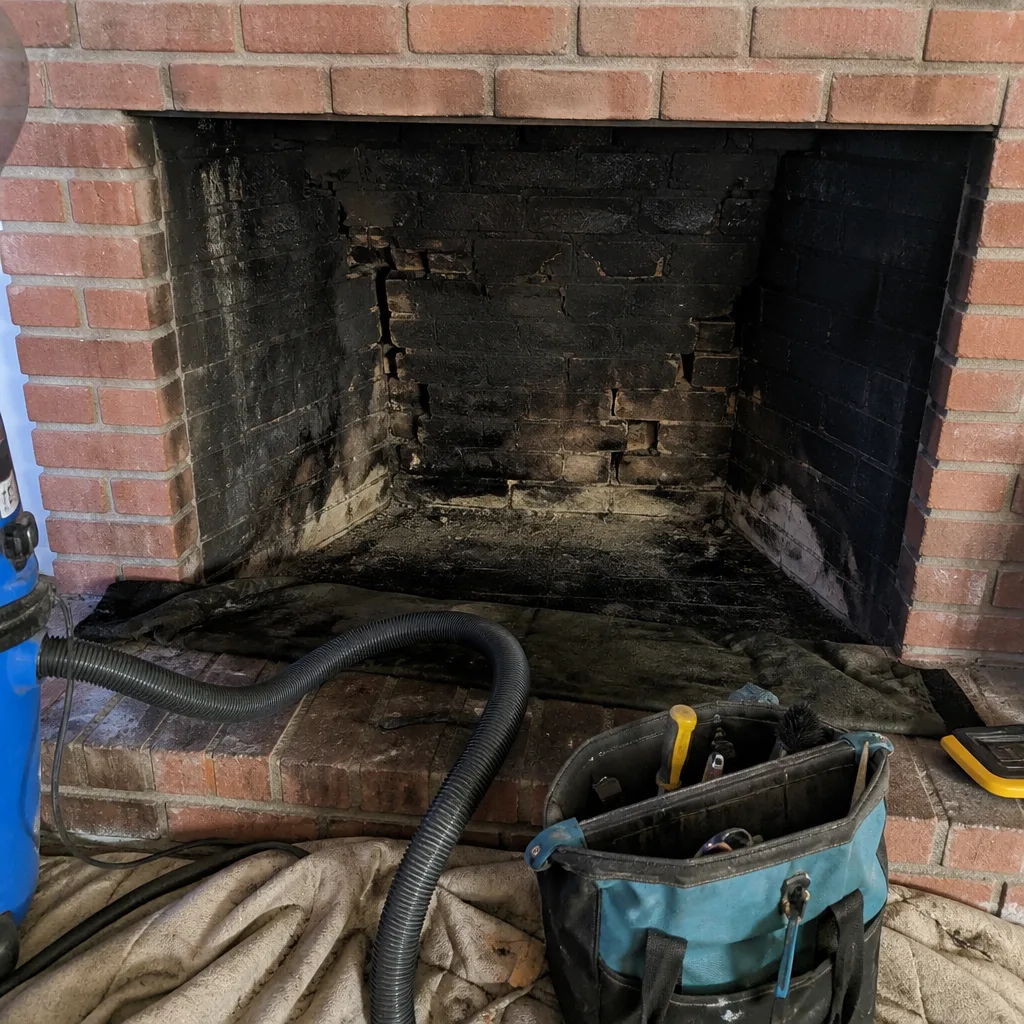 Before
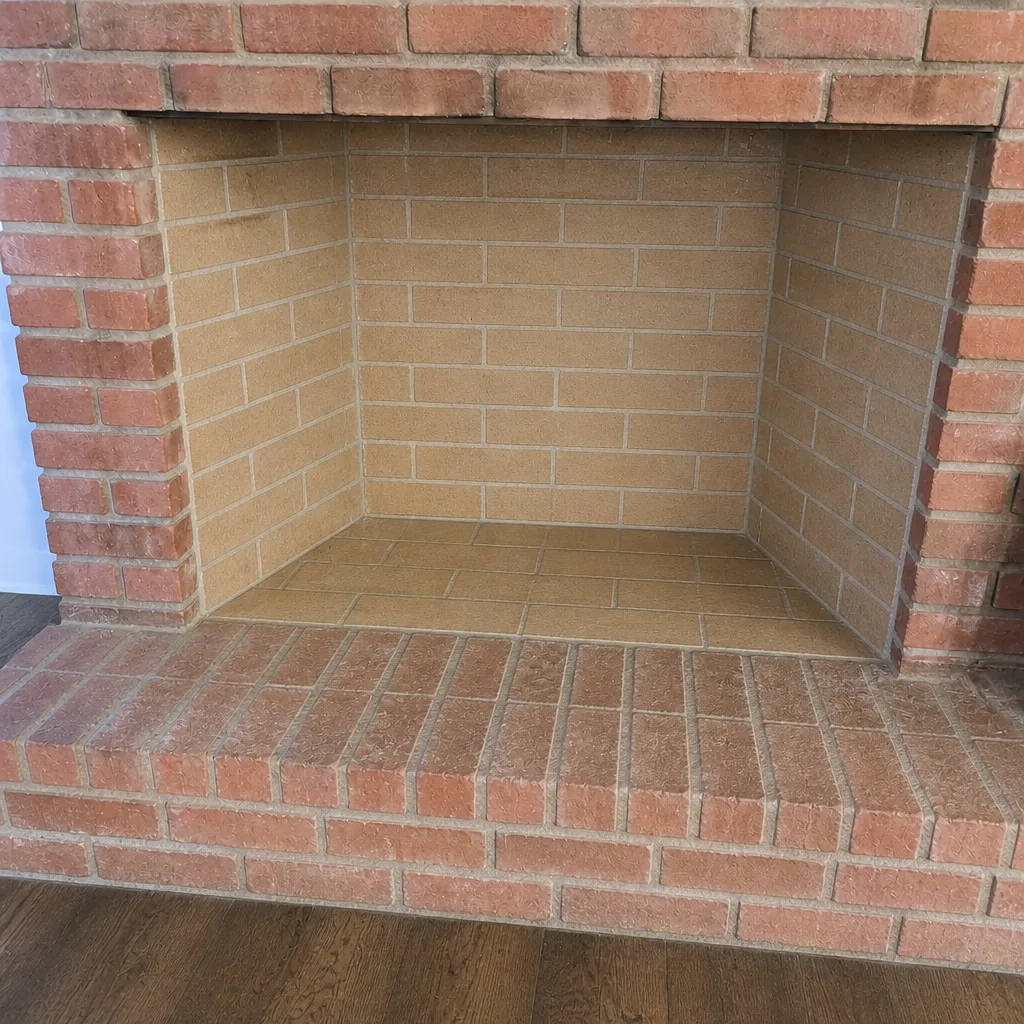 After
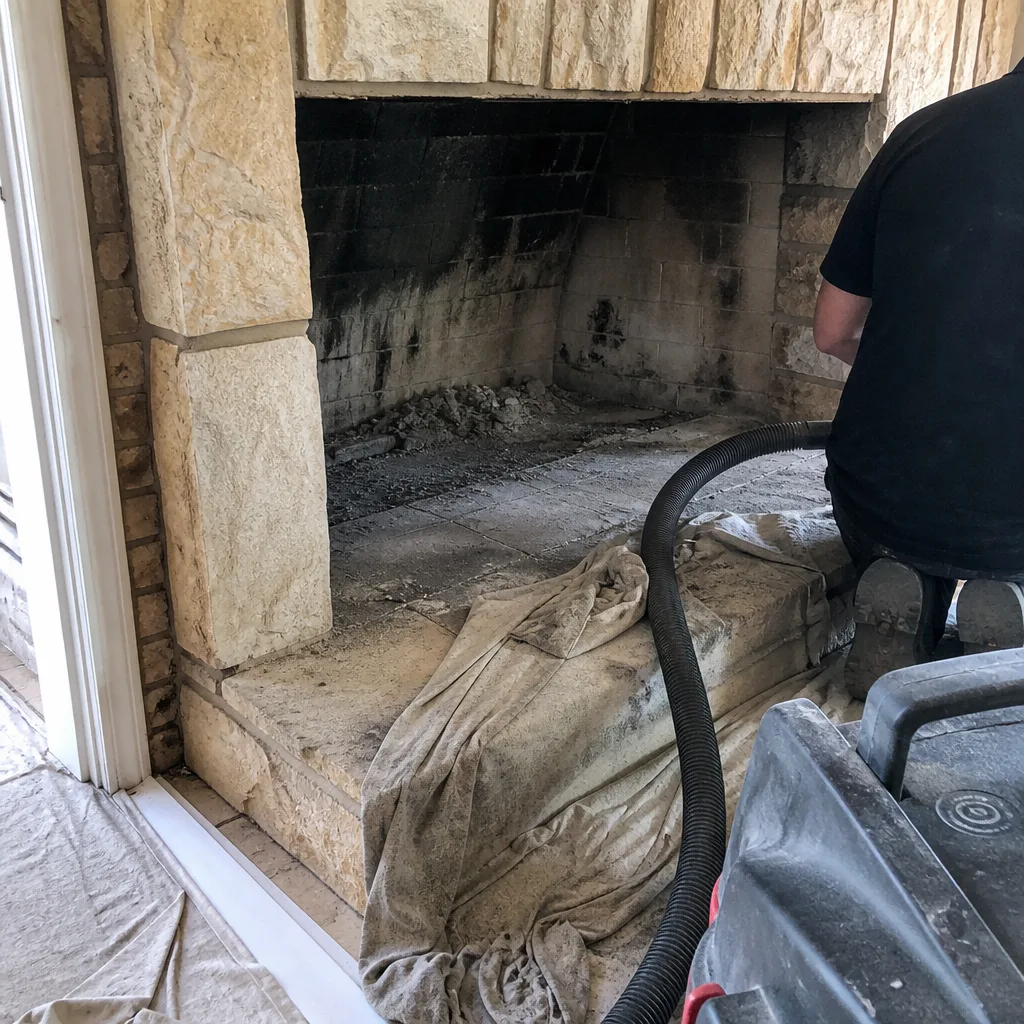 Before
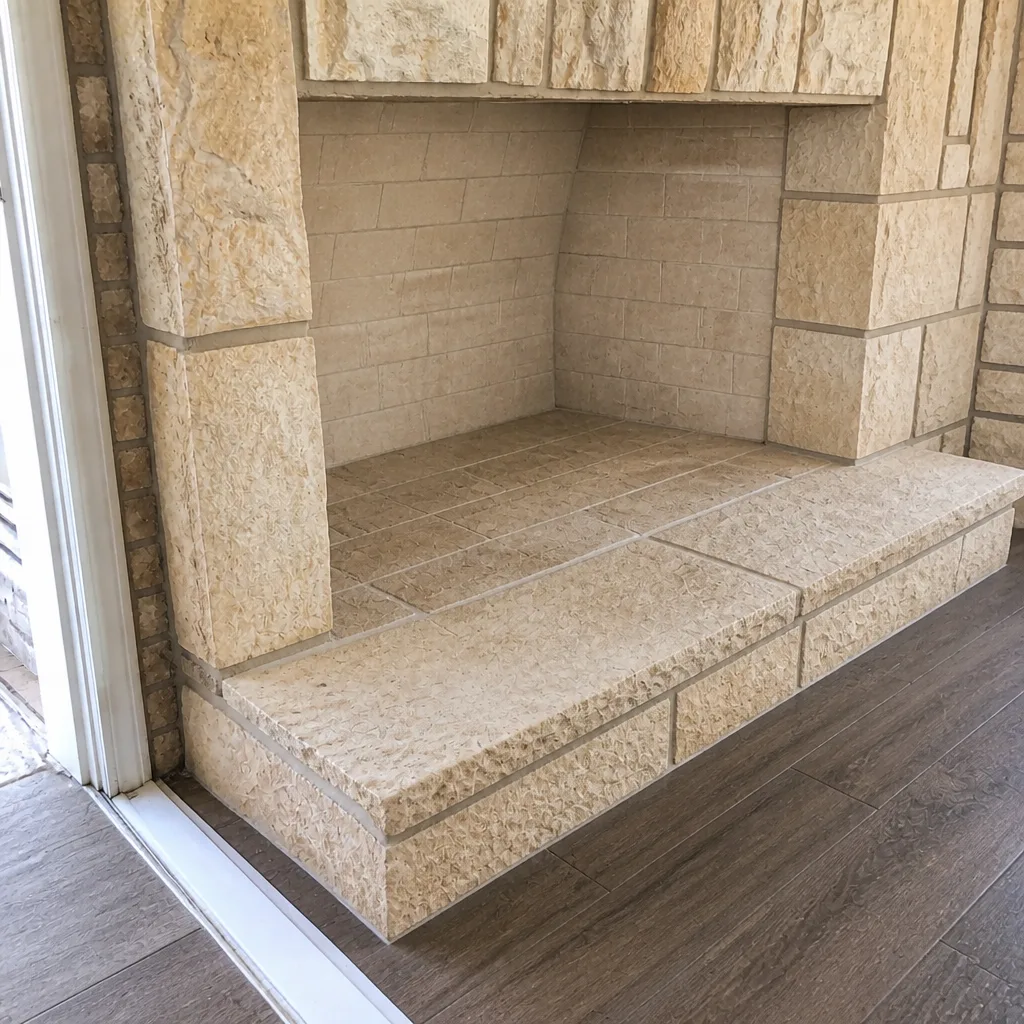 After
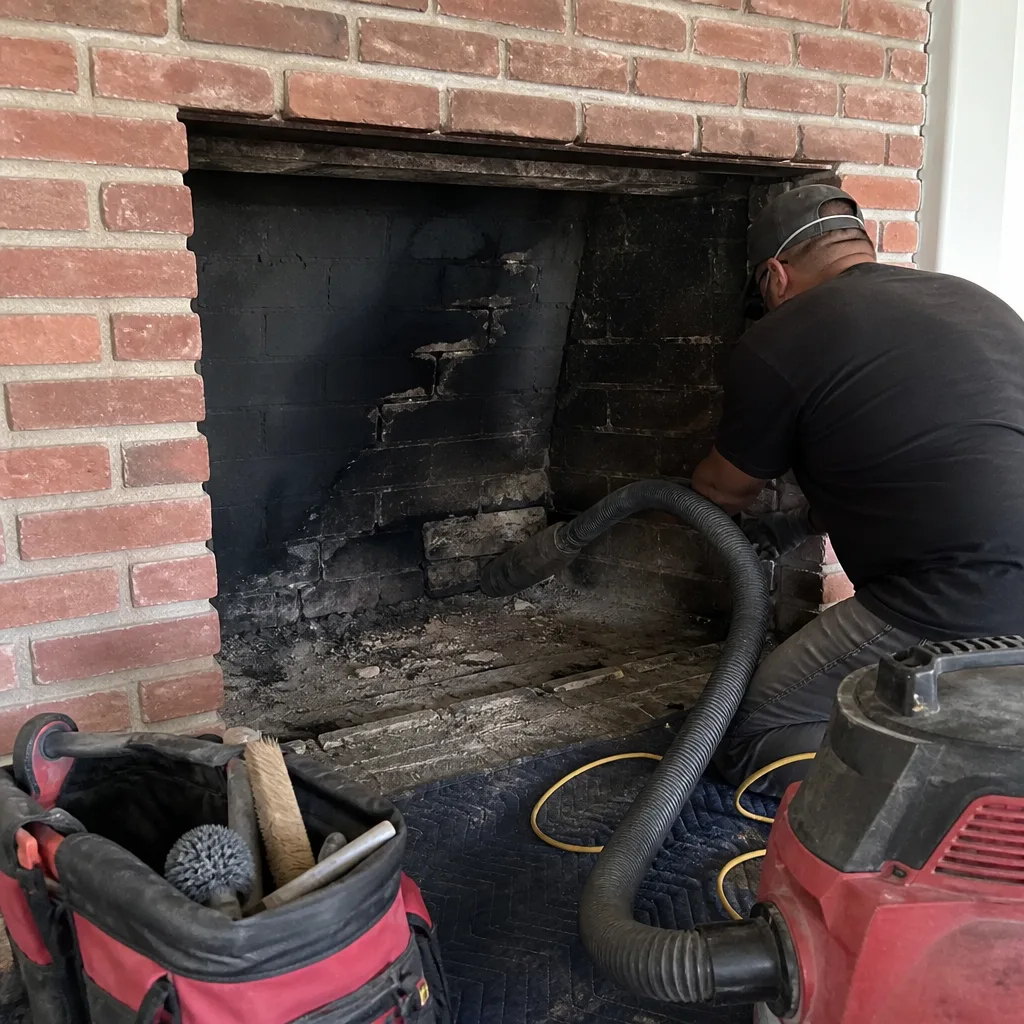 Before
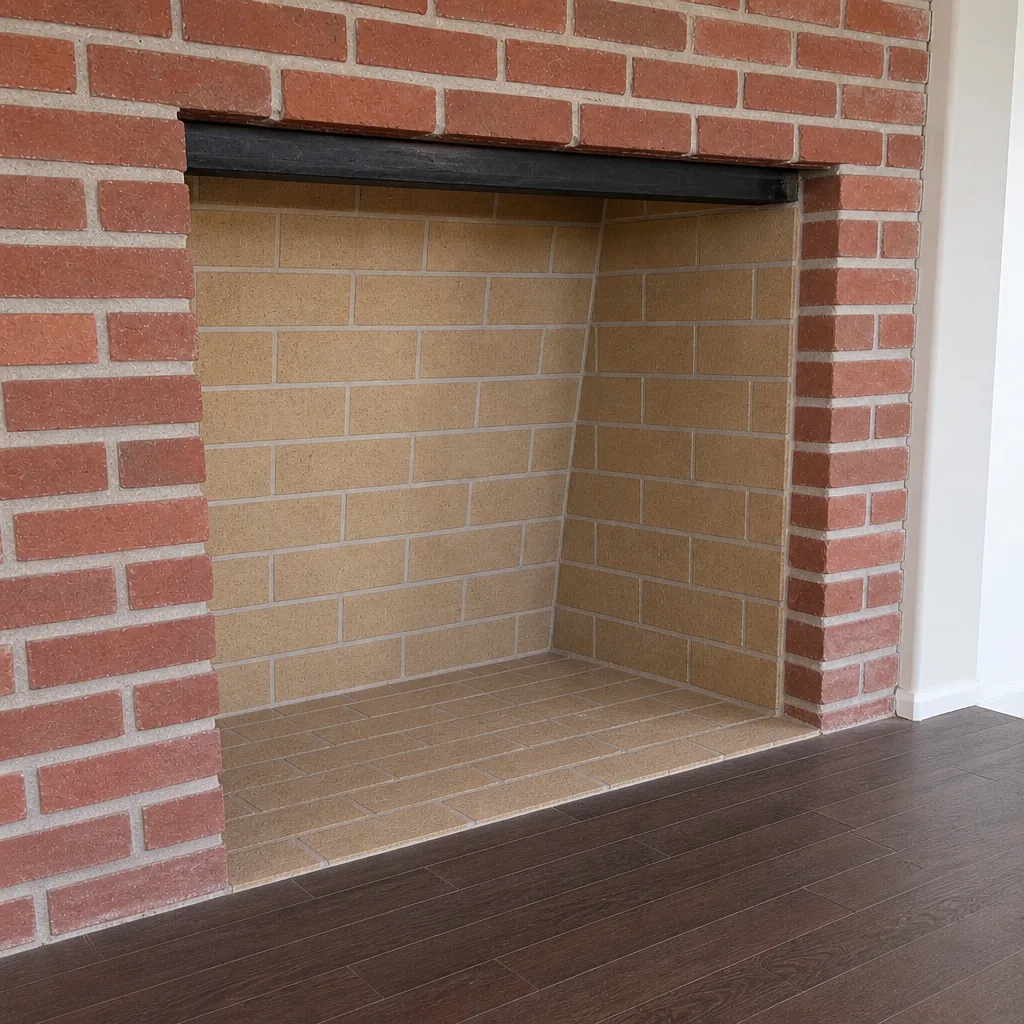 After
When to Call a Professional
Some situations require a professional now. If your fireplace produces more smoke than it used to, if you smell creosote on warm days, if there’s a bird or animal sound coming from the flue, or if it’s been more than a year since the last inspection, book a service. If you’re buying a home with a fireplace, get the chimney inspected before you close. If you’ve moved into a home with a neglected system, an inspection with a written report tells you what you actually own. If you’re seeing water stains near the firebox or on the ceiling above the chimney, stop burning until someone looks at it. Mission Viejo Chimney Sweep Pros offers free estimates in Mission Viejo. Call (844) 443-3825 to schedule.
Frequently Asked Questions
A chimney sweep in Mission Viejo typically runs in the range of $150 to $350 for a single flue, and inspection often adds a modest amount, though many companies bundle a basic inspection with the sweep. The written estimate sets the final price. Anything much below that range should raise questions about what the price actually covers. Call (844) 443-3825 for an accurate quote based on your chimney system.
Only if the inspection shows the current liner is cracked, deteriorated, or sized wrong for your appliance. A camera inspection makes that determination objective: you see the flue, the technician reads what’s there, and you decide together. HeatShield resurfacing can often restore a damaged liner rather than replace it, which is where a specialist crew pays for itself. If the liner is sound, we say so. Call (844) 443-3825 to book an inspection.
Once a year, and more often if you burn frequently or burn green or unseasoned wood. The standard working rule is swept whenever a quarter-inch of creosote has built up on the flue walls. In a home with a regularly used fireplace, an annual sweep is the practical way to stay on top of it. Call (844) 443-3825 to schedule.
Creosote builds up on the flue walls, and in sufficient concentration it can ignite, creating a chimney fire that may damage the liner and the masonry. A blocked or damaged flue can also let carbon monoxide back into the home. You don’t need to be frightened into acting, but you do need to know the facts. Book the sweep and get the inspection on record. Call (844) 443-3825 to schedule.
A handyman can run a brush through a flue, but a sweep isn’t the same as a diagnosis. A generalist typically can’t inspect with a camera, doesn’t carry professional-grade liner materials, and can’t perform HeatShield resurfacing or a crown rebuild. For a straightforward cleaning on a verified-good system, a handyman may be adequate. For anything more, use a specialist. Call (844) 443-3825 and we’ll give you a documented inspection.
No. California does not require a license or certification to perform chimney work, so certification is voluntary. That’s why asking for the credential number and verifying it yourself matters. A CSIA-certified technician has demonstrated competence and continues to maintain the certification. Call (844) 443-3825 to ask about our team’s credentials.
Why Diagnosis-First Matters for Your System
A chimney runs from the firebox to the crown. It’s one system, and the parts you can see are only half the story. Cap and crown services address the top-of-system vulnerabilities that cause most water damage, which most homeowners overlook until it’s expensive. Liner condition determines whether the flue can safely carry exhaust. The firebox and smoke chamber affect how the fireplace pulls and how efficiently it burns. A company that handles all of it in one place can follow the evidence from the first camera run through the final repair, without outsourcing the diagnosis to someone who never saw your home.
We work with professional-grade materials throughout: DuraFlex liners, HeatShield resurfacing, Gelco and Famco components, and Olympia Chimney parts. These aren’t upgrades for the sake of the invoice; they’re the materials that hold up over the long run. A standard off-the-shelf cap or a generic liner installed by whoever shows up first is how the problem gets transferred down the road. Our technicians have up to 10 years of experience, and we inspect as a standalone service, not as a hook for a sales pitch. When we find damage, we show you the photo before we recommend anything. When the system is fine, we tell you that. Call (844) 443-3825 for a free estimate. We answer 24/7. Fast dispatch from 7am to 7pm, Sunday through Friday.
The Bottom Line
The Mission Viejo chimney service market has a spectrum from full-system specialists to generalist handymen listing chimney sweep as one of thirty services. The difference shows up in three places: credentials you can verify, an inspection with photos you keep, and an estimate that names parts and brands. Ask the five questions. Insist on the camera. Read the estimate line by line. Make sure you leave with documentation. That’s the whole checklist. A clean sweep is the goal, but an informed homeowner is what makes it safe. Call (844) 443-3825 for a free estimate with Mission Viejo Chimney Sweep Pros. We answer 24/7. Fast dispatch from 7am to 7pm, Sunday through Friday.
Written by the team at Mission Viejo Chimney Sweep Pros.