
Last updated November 25, 2026
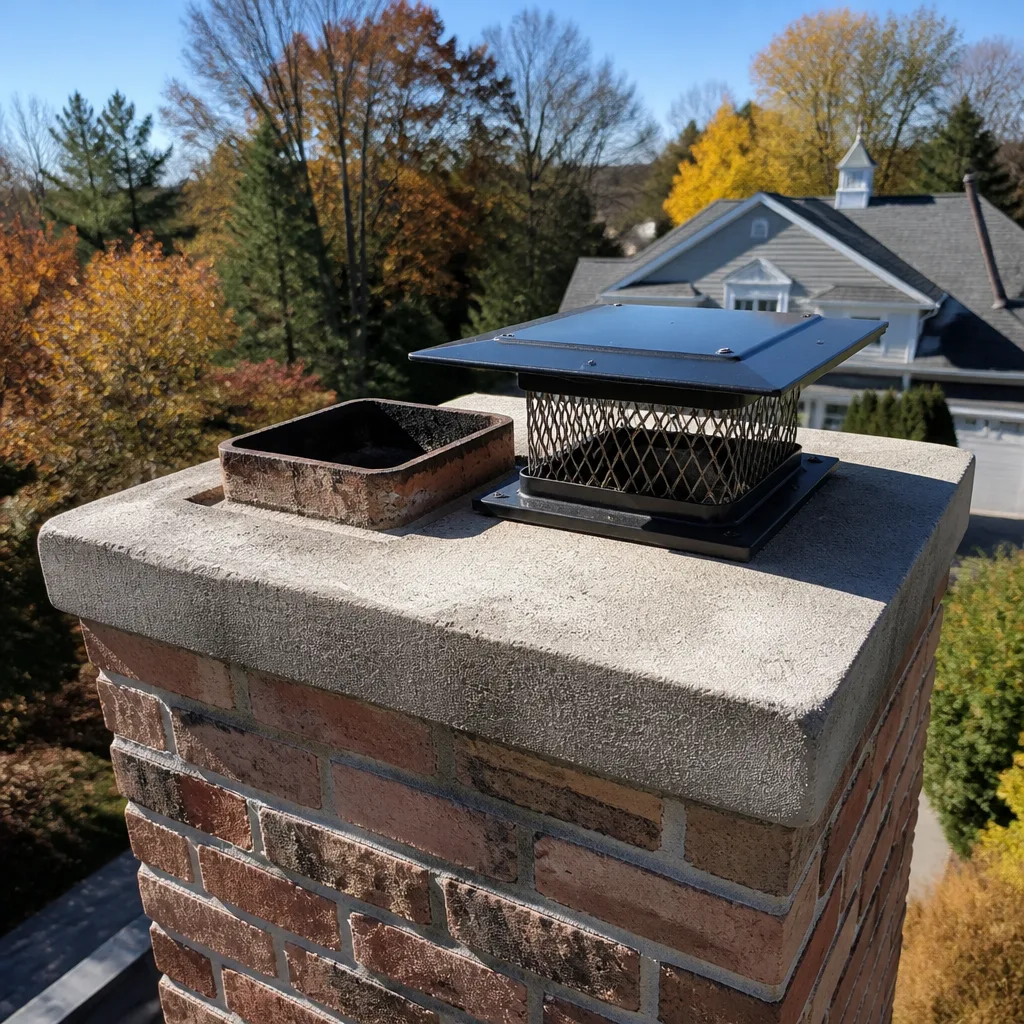 Sweep & inspection
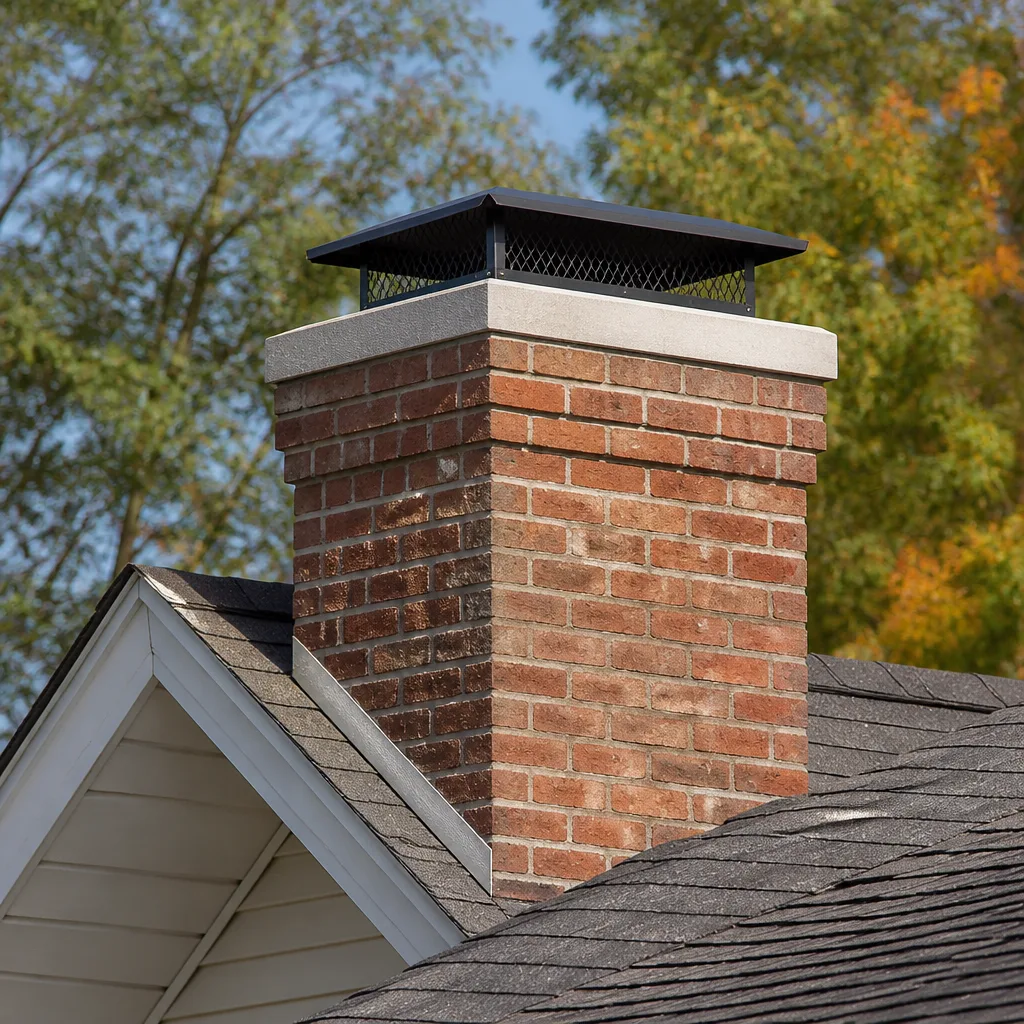 Caps & crowns
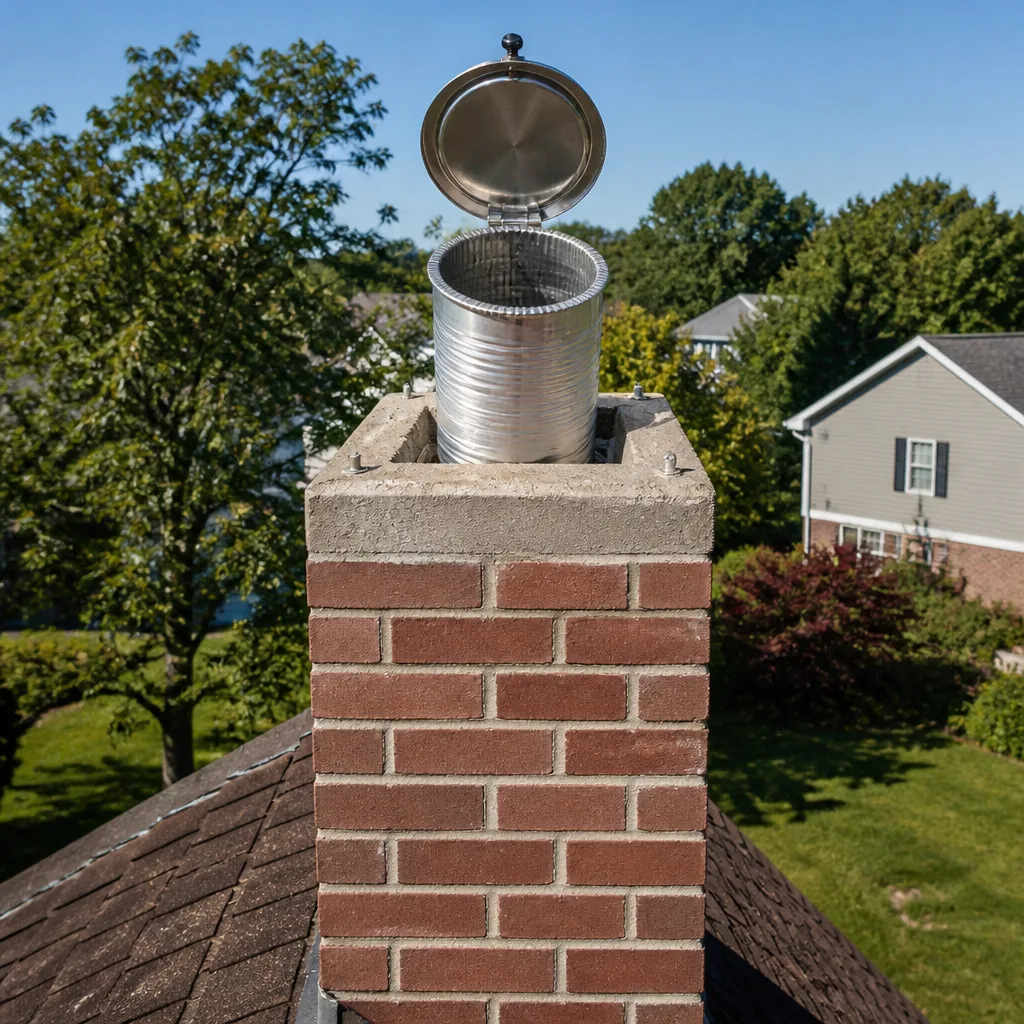 Flue relining
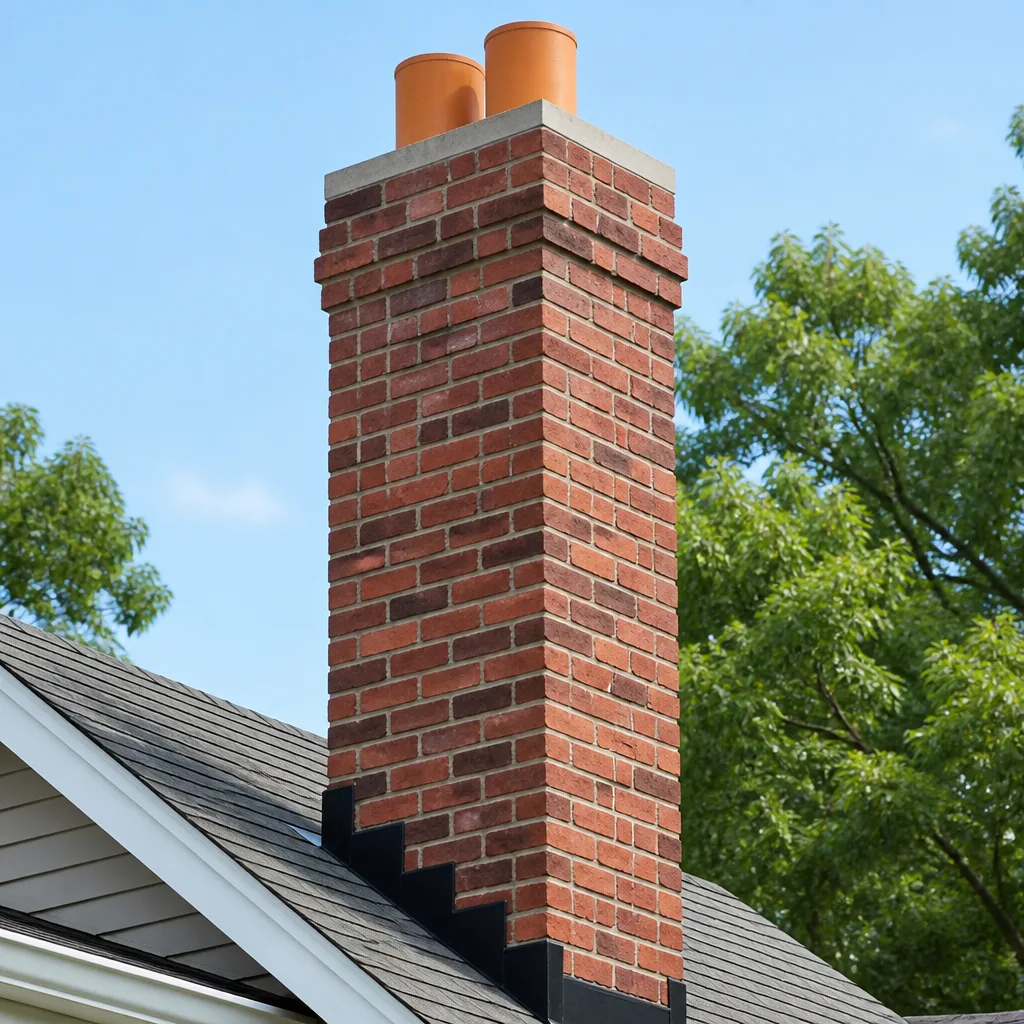 Masonry repair
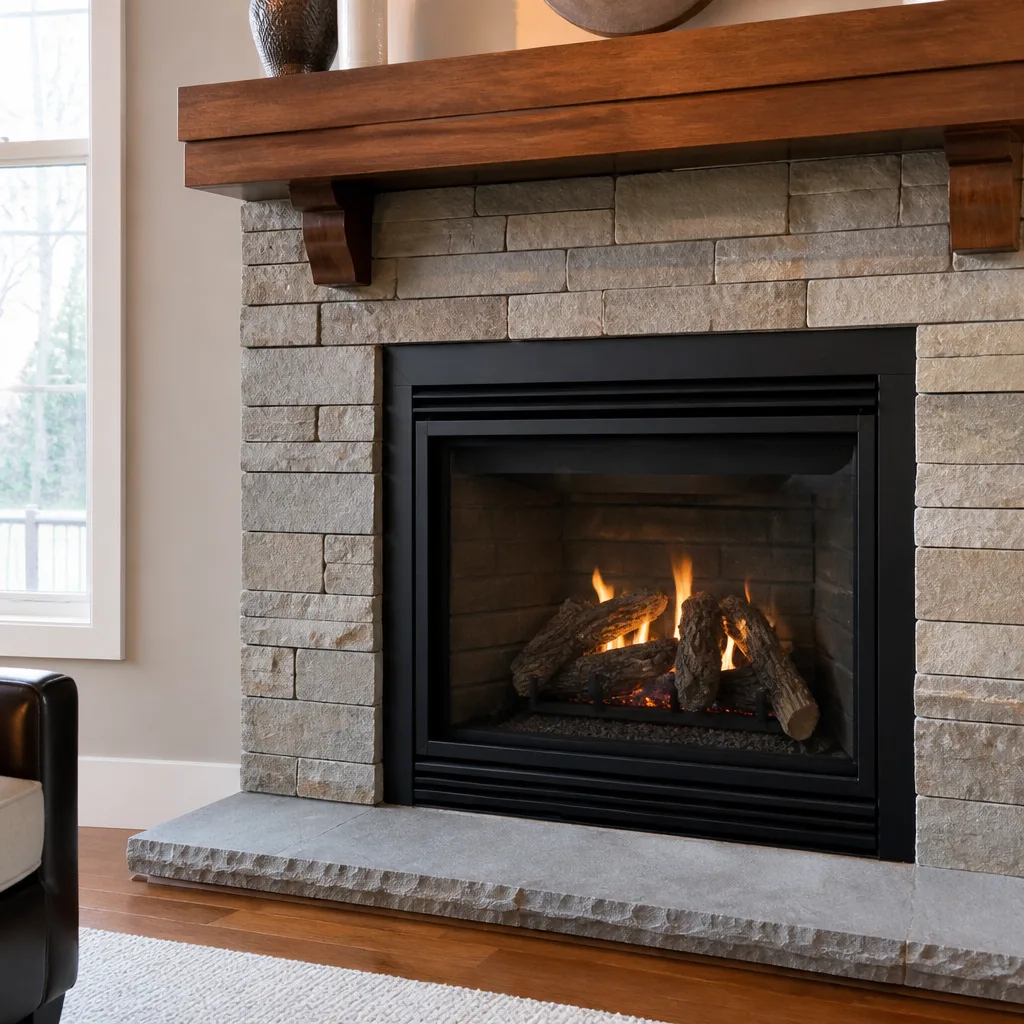 Gas fireplace service
Level 1 sweep and inspection to the NFPA 211 annual standard - flue, crown, cap, and flashing checked and photographed
Chimney sweep logs do not sweep chimneys. They loosen some creosote - which then falls where a brush and vacuum still have to collect it.
Chimney Cleaning Emergency Preparedness Guide for Mission Viejo Homes
Most homeowners think about chimney care the week the first cold front hits. In Mission Viejo, that’s already late. The risk that actually matters here builds months earlier, through a dry summer and into the Santa Ana wind season, when the vegetation on the ridges above the city turns from green to tinder and a single ember has somewhere to land. A dirty flue is a fire hazard inside your house. The same flue, improperly capped or missing its spark arrestor, is a fire hazard on your roof. This guide covers the preparation timeline, the specific chimney components that matter for wildfire, what to do in the hours after a nearby fire, and how to document the whole system so it holds up for insurance, inspections, and any future buyer.
Quick Answer
Chimney emergency preparedness in Mission Viejo means having your flue cleaned and inspected before fire season, confirming your cap and spark arrestor are ember-resistant and in good repair, and knowing exactly what to check and who to call after a nearby wildfire or heavy ash fall. The work that protects your home most is done months ahead of the emergency, not during it: a clean, properly capped chimney removes an ignition point before the Santa Ana winds arrive.
Styles & brands we work with
- Sweep & inspection
- Caps & crowns
- Flue relining
- Masonry repair
- Gas fireplace service
Table of Contents
- Why Wildfire Risk Changes Chimney Care in Mission Viejo
- Cap and Spark Arrestor Specs That Matter for Ember Resistance
- The August-September Service Window: Timing Your Prep to the Santa Ana Winds
- After a Nearby Wildfire or Ash Fall: Your Immediate Chimney Checklist
- What a Chimney Fire Sounds Like and How to Respond
- Building a Whole-Home Emergency Documentation File
- The Complete Pre-Fire-Season Chimney Checklist
- Common Mistakes to Avoid
- When to Call a Professional
- Frequently Asked Questions
Why Wildfire Risk Changes Chimney Care in Mission Viejo
In most of the country, a chimney is a heating appliance with a maintenance schedule. In Mission Viejo, it’s also an opening in your roof, and openings in roofs are exactly what wildfire embers find. Orange County’s major fire events put that in plain terms: during the 2017 and 2021 fire events affecting the region, improperly capped or screened chimneys were identified as ember entry points. That’s the counterintuitive part. The firepeople worry about most during a wind-driven event doesn’t always arrive as a wall of flame. It arrives as cast embers landing on and around structures hours ahead of the front, which is why defensible space rules exist and why building codes in high fire hazard areas address roof vents, attic vents, and yes, chimney openings.
Mission Viejo’s geography puts a lot of homes in that conversation. The city wraps around Lake Mission Viejo and pushes up into the hillsides, and the ridgelines and open space above neighborhoods like Painted Trails, Madrid, Canyon Crest, and Deane Homes carry the kind of dry fuel that fire agencies track closely through summer. When a Santa Ana wind event lines up with low humidity, embers can travel well past the visible fire line. A chimney with a missing cap, a rusted-out screen, or a crown that has cracked open has a direct path from the outside of the house to the inside of the house.
The other side of it is the flue itself. Creosote, the residue that builds up on the inside of a chimney from burning wood, is combustible and accumulates in stages. A light dusting is normal. Thicker, glazed, tarry creosote is the dangerous kind, and it can ignite from a hot ember or a hot fire even when nothing outside is burning. Wildfire season and fireplace season overlap in Mission Viejo more than people assume. An early cold snap in October sends people to the fireplace before the winds have stopped. That’s the window where two risks stack.
What that means practically: chimney care in Mission Viejo is a year-round structural question, not a winter comfort question. We treat it that way. Your chimney system runs from firebox to crown, and we service all of it, because the failure point in a wind event is almost never the part you burn in.
Cap and Spark Arrestor Specs That Matter for Ember Resistance
A chimney cap does three jobs, and most homeowners only know about one. It keeps rain out. It keeps animals and debris out. And in a wildfire zone, it keeps embers out. The third job is the one that needs the right specification, not just any hardware-store lid.
Here’s what to look for when you’re evaluating what’s on top of your chimney right now:
- Full coverage, not partial. A cap should overhang the flue opening on all sides with enough clearance for exhaust to flow freely. A flat plate sitting close to the flue is worse than useless in an ember event because it deflects debris right back toward the opening.
- Welded or mechanically fastened spark arrestor screen. The screen is the actual ember barrier. It needs to be a durable mesh, held in place by something stronger than friction or a few spot welds, and it needs to be intact.
- No gaps at the seams or at the flue collar. Embers are small. A compromised seam or a cap that’s lifted on one edge is an open door. This is the single most common defect we document on Mission Viejo roofs.
- Material rated for long-term weather exposure. We install Gelco and Famco components rated for long-term weather resistance, and that matters more than it sounds. A cap that rusts through in a few seasons won’t be there when you need it.
- Compatible with the appliance. Gas and wood appliances vent differently. A cap that’s right for one isn’t automatically right for the other, and the screen density that suits a wood-burning flue isn’t always correct for a gas appliance.
California fire code and local building requirements for high fire hazard severity zones address ember resistance for vents and openings, and chimney caps and spark arrestors fall into that conversation. Requirements vary by jurisdiction and change over time, so the honest answer is: confirm what applies to your address through the city or county building department, and have your cap evaluated by someone who knows what compliant looks like. We document what we find before recommending any repair, which means you get photographs and a clear explanation of whether your existing cap is doing its job.
Worth saying plainly: if your cap is missing, damaged, or a hardware-store substitute that’s simply sitting on top of the flue, the fix is usually straightforward and it’s the highest-value defensive work you can do on the roof. Cap and crown failures are also behind the majority of water damage we see coming down the inside of chimneys, so the same repair protects you in the rainy season too.
The August-September Service Window: Timing Your Prep to the Santa Ana Winds
The best time to prepare a chimney in Mission Viejo is late summer, and there’s a specific reason for that. Two calendars run in parallel here. The fire calendar peaks with the Santa Ana wind events, which historically cluster in fall and can run into early winter. The fireplace calendar opens whenever the first genuinely cool evening arrives. If your annual chimney sweep happens in August or September, both calendars get served at once: you’re clean and inspected before the winds, and you’re ready before the first fire.
Here’s how we’d sequence the work for a Mission Viejo home:
- August through early September: full sweep and inspection. Get the flue cleaned of creosote buildup and get a documented inspection of the full system, from the firebox to the crown. Address anything found while there’s still runway before the winds.
- Early September: roof-level work. Cap, spark arrestor screen, and crown evaluated and repaired. Any masonry cracks or a failing crown get attention now, not after the first rain finds them.
- Late September: confirm the documentation is in your file. Inspection findings, photographs, and any repair records go into the same folder as your insurance paperwork and defensible space documentation.
- October onward: burn with confidence and monitor. Keep an eye on the flue through the season. If you burn heavily, mid-season ash and creosote accumulation is worth checking.
Why not wait until October or November? Two reasons. First, once the winds start, the roof work you probably need becomes harder to schedule, and any debris or ash that lands on a compromised cap compounds the problem. Second, the trade gets busy as soon as the weather turns. Booking the sweep in the late-summer window means the work happens on a sane schedule instead of in a scramble. In our experience the homes that end up needing expensive repairs are almost always the ones where the chimney got attention only after a problem showed up indoors.
If your home has a gas fireplace, don’t skip the calendar. Gas appliances need less creosote attention, but the venting, cap, and termination are still part of the system, and birds, debris, and corrosion don’t care what you burn. A gas flue that’s been colonized by nesting material or blocked by a failed cap has its own safety problems, carbon monoxide among them.
After a Nearby Wildfire or Ash Fall: Your Immediate Chimney Checklist
If a wildfire burned within a few miles of your Mission Viejo home, or if a significant ash fall settled over your neighborhood, treat the chimney as suspect before you burn again. Not because anything dramatic necessarily happened, but because the checks are cheap and the consequence of skipping them isn’t. This applies whether the fire was on the hillsides above the city, in the open space near the lake, or anywhere the wind carried smoke and particulate.
Work through this in order:
- Don’t light a fire until the system has been looked at. Ash and charred debris can lodge on top of the flue, inside the smoke chamber, or against the cap screen. Burning before you’ve checked can push that material into the flue or, worse, ignite creosote that was already there.
- Inspect the cap and screen from the ground first. Binoculars work. Look for a missing cap, screen that’s torn or clogged, or visible debris piled on the roof around the chimney.
- Look for ash intrusion. With the fireplace cold and the damper closed, check the firebox and the area around the hearth for fine ash that shouldn’t be there. Ash found inside the firebox after an exterior event means something got past the cap or down the flue.
- Check the crown and the masonry visible above the roofline. Heat stress, impact from wind-blown debris, and ember exposure can open cracks in a crown or mortar joints that were tight before the event.
- Book a professional inspection before the first fire of the season. This is where documented findings matter. An inspector photographs the interior of the flue, the smoke chamber, the firebox, and the roof-level components. That record is what you’ll want for insurance or for your own peace of mind.
One more thing people miss: ash fall settles on roofs and in gutters, not just in the yard. It’s worth checking that roof debris, leaf litter, and ash haven’t collected against the chimney or in the valleys around it. A clean roof edge is part of the same defense as a clean chimney.
If you aren’t sure whether your system needs attention after an event, that’s exactly what an inspection is for. We offer inspection as a standalone service for this reason. You shouldn’t have to buy a repair to find out whether you need one. If the flue needs work, we document why before recommending it. If the system is fine, we tell you that too.
What a Chimney Fire Sounds Like and How to Respond
This is the section to read twice. A chimney fire isn’t always the roaring, obvious event people picture. It can be slow and quiet for a while, and the signs can be easy to explain away.
What it can sound like from inside the house:
- A low, rumbling roar that sounds a little like a distant train or a jet passing, often growing in intensity.
- Loud popping or crackling that’s more aggressive than normal fire sounds and doesn’t settle down.
- Ticking or tapping that could be the sound of expanding metal or debris.
- Something that sounds like a helicopter or a low-flying aircraft, which is a description we hear from people who’ve experienced one.
What it can look like and smell like:
- Dense smoke or a visible glow at the top of the chimney, or sparks and flames visible from outside.
- A strong, hot, creosote-like smell indoors that doesn’t match what you’re burning.
- The chimney pipe or the surrounding wall feeling hot to the touch.
- The damper or the pipe making a sound as metal expands, or a sudden draft change.
Call 911. That’s the answer, and it’s the answer even if the fire appears to go out on its own. There are two reasons. First, a chimney fire can damage the flue in ways you can’t see, and a damaged flue is a path for fire and carbon monoxide into the house. Re-ignition is a real possibility when creosote remains. Second, firefighters can confirm the fire is out and check the attic and roof for extension. A fire that looks self-extinguished to you from the living room may not be from the roof. If you’re not sure whether what you’re hearing is a chimney fire, call anyway. That’s not an overreaction, it’s the correct response.
While you wait, the safe moves are to stop feeding the fire, keep the fireplace doors closed, get everyone out of the house, and keep the area clear for firefighters. Don’t put water down the flue. Don’t try to inspect the roof yourself. Once the fire is out, do not use the fireplace again until a professional has inspected the full system. A post-fire inspection is not optional, and it’s what your insurer will want to see. Our chimney repair work starts with exactly that: documented findings from a full inspection before any repair is proposed.
Building a Whole-Home Emergency Documentation File
In a region shaped by wildfire risk, a folder of paper is worth more than most people realize. When an insurance claim is on the line, or when a buyer’s inspector starts asking questions, or when a fire agency wants to see the history of your defensible space efforts, having records changes the conversation. Chimney documentation belongs in that file, and almost nobody keeps it.
What to include:
- Sweep and inspection records. Date, findings, and photos. An inspection service provides documented findings, not verbal estimates alone, and that written record is the whole point.
- Photographs of the full system. Flue interior, firebox, damper, smoke chamber, crown, cap, and the roof-level view. An inspector who documents the work will give you these.
- Repair and installation records. Any relining, resurfacing, cap and crown work, or fireplace repair, with the brand and specification of materials used. This is where professional-grade materials prove their value twice: once in the performance and again in the paper trail. If your liner was replaced with a DuraFlex system or resurfaced with HeatShield, that belongs in the file with the specification information.
- Roof and defensible space records. Anything you’ve done around the structure, kept in the same folder.
- A short summary sheet. One page, listing the property address, the system type (wood-burning or gas), the most recent inspection date, and any known issues.
Why it matters for Mission Viejo specifically: insurers in high fire hazard areas increasingly ask about maintenance and construction details at the point of underwriting. When you’re selling a home, a documented chimney with a recent inspection removes a question from the transaction. When a post-event inspection is needed, having a baseline record of what the system looked like before makes the “what changed” question answerable. Build the folder now, before you need it.
We can help with the chimney portion of it. If you schedule an inspection, everything we find gets documented. You get a record, not just a verdict.
The Complete Pre-Fire-Season Chimney Checklist
Print this or keep it in your phone. It’s the same list we’d walk through for a Mission Viejo home in the weeks before fire season turns serious.
- Schedule the annual sweep. Target August or early September. A full chimney sweep removes the creosote that would otherwise be fuel.
- Book the inspection at the same time or as a standalone. The sweep tells you the flue is clean. The inspection tells you the flue is sound. A swept chimney and a safe chimney aren’t always the same thing, and inspection tells you which you have.
- Confirm the cap is present, intact, and properly sized. Full coverage, welded or securely fastened ember screen, no gaps at the seams or collar.
- Check the spark arrestor screen. Intact and clear. Replace or repair if it’s torn, sagging, or clogged.
- Inspect the crown. Cracks, spalling, or a failing bond at the flue are all water and ember pathways. Repair or resurface as needed.
- Check the visible masonry and flashing above the roofline. Loose mortar, open joints, or compromised flashing all get attention before the weather turns.
- Look inside the firebox and at the damper. Any damage or a damper that won’t seat correctly is worth fixing before the season, and a fireplace repair now is easier than a repair in the middle of fireplace season.
- Get the inspection documentation into your emergency file. Photos and written findings.
- Re-read the “what a chimney fire sounds like” section with your household. Everyone in the home should know the signs and know that 911 is the answer.
- Check the roof, gutters, and defensible space. Clean the roof edges and clear any debris that collects near the chimney.
It’s a two-hour visit for most homes and it’s the highest-leverage maintenance you’ll do all year. The full-system view is what makes it work. A sweep alone would tell you the flue is clean but not that your cap has a lifted seam. An inspection alone would document the problem but not remove the creosote. Doing both, once a year, before the winds, is the whole method.
Common Mistakes to Avoid
- Treating the cap as optional or cosmetic. In a Mission Viejo wind event, the cap is the ember barrier. A hardware-store lid sitting loose on top of the flue provides shelter from rain and nothing else. Check the screen and the seams, not just that a cap exists.
- Skipping the inspection because the sweep “looked fine.” A sweep clears the flue. It doesn’t assess the crown, the smoke chamber, or the flashing. A swept chimney and a safe chimney aren’t the same thing, and assuming otherwise is how small problems become structural ones.
- Booking the work in October. By then the winds are here and the calendar is full. The August-September window aligns the work with the fire season timeline instead of the scramble that follows it.
- Burning again right after a nearby fire without checking. Ash and debris on top of the flue or inside the system need to come out before you light a fire. Book an inspection before the first burn.
- Trying to diagnose a chimney fire from the living room. If you hear a roar, a roar that sounds like a train, or heavy popping, call 911. Don’t wait to see if it goes out on its own. Don’t climb on the roof to check. Let professionals handle it.
- Keeping no records. When an insurer asks for maintenance history, or a buyer’s inspector starts asking questions, a folder of documented inspections and photographs is worth more than any explanation. Keep it current.
- Letting the trim and roof debris go. Cleaned gutters and a clear roof edge aren’t chimney work, but they’re part of the same wildfire defense. Don’t let leaf litter and ash pile up against the chimney or in the valleys around it.
When to Call a Professional
Call us when your annual sweep is due, when you’ve moved into a home with a fireplace you can’t verify, or when you’re buying a property and want the chimney evaluated before you close. Call us after any nearby wildfire or significant ash fall, before you light the next fire. Call us if you’ve heard a chimney fire, even if it appeared to go out. Call us if your cap is missing or damaged, your crown is cracked, your damper won’t seat, or your firebox shows wear. Call us if you’re a first-time fireplace owner who just wants to know what you have. We work with the full range of Mission Viejo chimney systems, we document what we find before recommending repair, and inspection is available as a standalone service.
Mission Viejo Chimney Sweep Pros offers free estimates in Mission Viejo. Call (844) 443-3825. We answer 24/7. Fast dispatch from 7am to 7pm, Sunday through Friday.
Frequently Asked Questions
Once a year for most homes, and the timing matters as much as the frequency. We recommend scheduling your sweep for August or early September so the cleaning lands before the Santa Ana wind season and before your first fire of the year. Homes that burn heavily, or that burn unseasoned wood, may need a mid-season check. A gas fireplace still needs annual attention on the venting, cap, and termination even though creosote isn’t the concern. Call (844) 443-3825 for an exact quote on a sweep and inspection. Estimates are free.
Yes, and it’s the highest-value item on your roof. During the 2017 and 2021 fire events affecting Orange County, improperly capped or screened chimneys were identified as ember entry points. A proper cap with an intact spark arrestor screen closes that path. It also keeps rain and animals out, which is why we recommend professional-grade components like Gelco and Famco caps rated for long-term weather resistance. If you’re not sure what’s on top of your chimney right now, have it evaluated. Call (844) 443-3825 to book an inspection.
Don’t burn anything in the fireplace until the chimney has been inspected. Check the cap and screen from the ground, look for ash intrusion inside the firebox, and examine the crown and masonry above the roofline. Then book a professional inspection that documents the full system. Ash fall can settle inside the flue and on the cap, and ember exposure can open cracks that weren’t there before. Call (844) 443-3825 to schedule a post-event inspection. Estimates are free.
It can sound like a low roar similar to a distant train or a jet, along with loud popping and crackling that doesn’t settle, or a ticking from expanding metal. Call 911, even if the fire seems to go out on its own. A chimney fire can damage the flue in ways you can’t see, and re-ignition is a real possibility. After the fire is out, don’t use the fireplace again until a professional has inspected the system. Call (844) 443-3825 once the fire department clears you to schedule the inspection.
Yes, and sweeping and inspection are separate services for exactly that reason. But we’d tell you that the sweep only tells you part of the story. A sweep clears creosote. An inspection tells you whether the flue is sound, whether the crown and cap are intact, and whether there are problems you can’t see from the firebox. We offer inspection as a standalone service so the diagnosis doesn’t depend on buying a repair. Call (844) 443-3825 to talk through which service you actually need.
Visible roof damage after an ember event is worth an inspection because the chimney cap, screen, crown, and flashing are all in the same exposure zone. If the cap is compromised, the chimney is your entry point for water damage through the rainy season and for embers next wind event. Evaluate the whole roof system, not just the parts that look damaged. Call (844) 443-3825 for a documented inspection of the chimney and roof-level components.
The Bottom Line
Emergency chimney preparedness in Mission Viejo comes down to a handful of things done ahead of time. Clean and inspect the chimney in August or early September, before the winds. Make sure your cap and spark arrestor screen are actually ember-resistant, not just present. Know the sounds of a chimney fire and know that the answer is 911, every time. Have the system professionally inspected after any nearby fire or ash fall before you burn again. And keep a documented record of the whole system for insurance, resale, and your own peace of mind. A dirty or damaged chimney is not just a house fire risk. In this region, it’s an ignition point. The work that reduces that risk is done well before the event, and it’s not complicated. It just has to happen on time. If you’re not sure where your system stands, start with an inspection. We document what we find before recommending any repair.
Ready to prepare your chimney for the season? Call Mission Viejo Chimney Sweep Pros at (844) 443-3825 for a free estimate, and visit Mission Viejo Chimney Sweep Pros to see the full range of services. We answer 24/7. Fast dispatch from 7am to 7pm, Sunday through Friday.
Written by the team at Mission Viejo Chimney Sweep Pros.
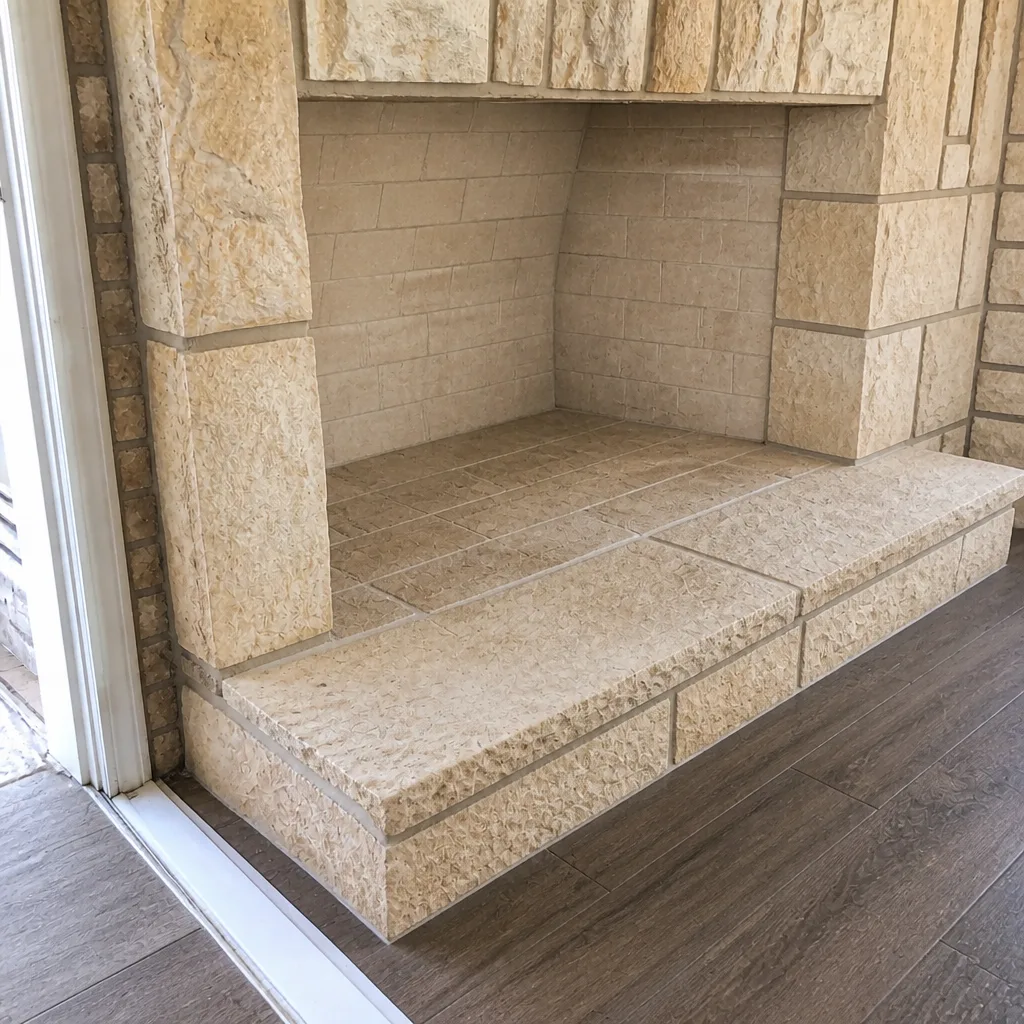
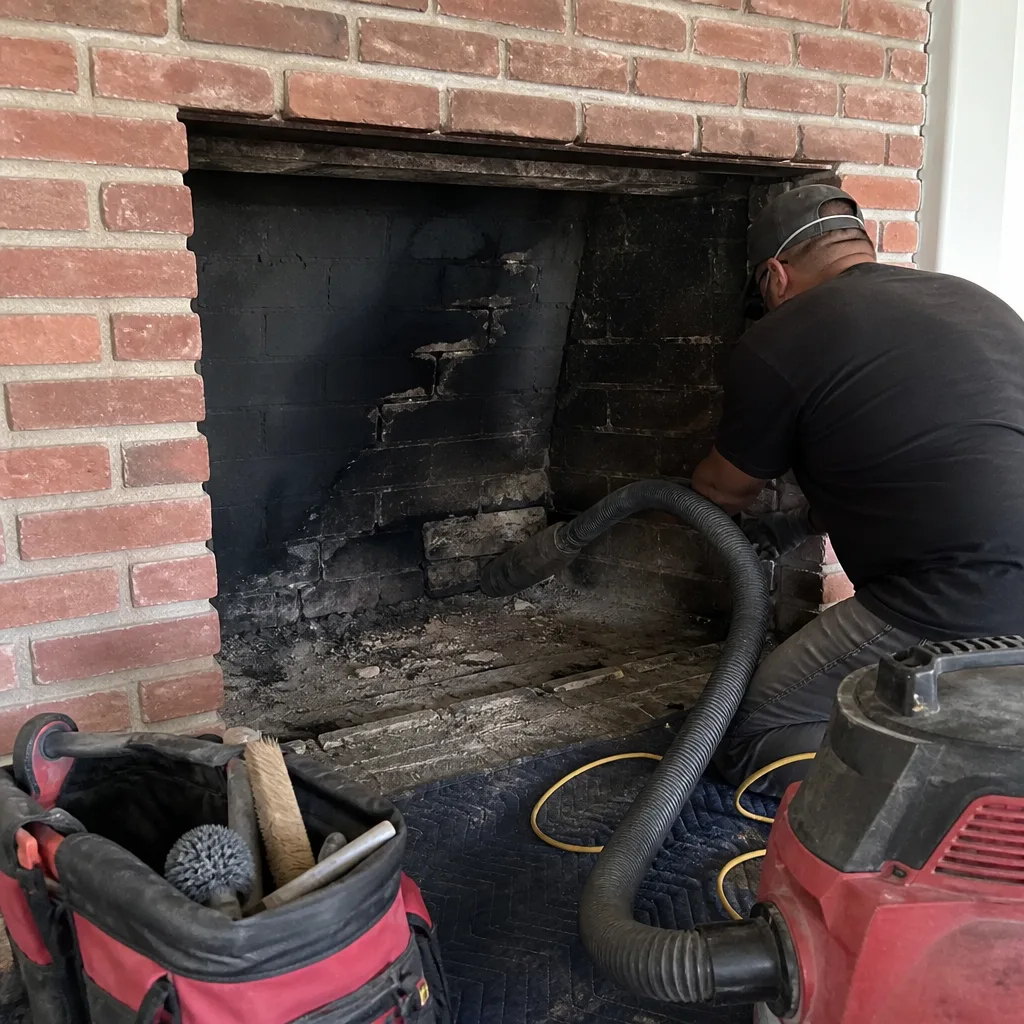
See the difference
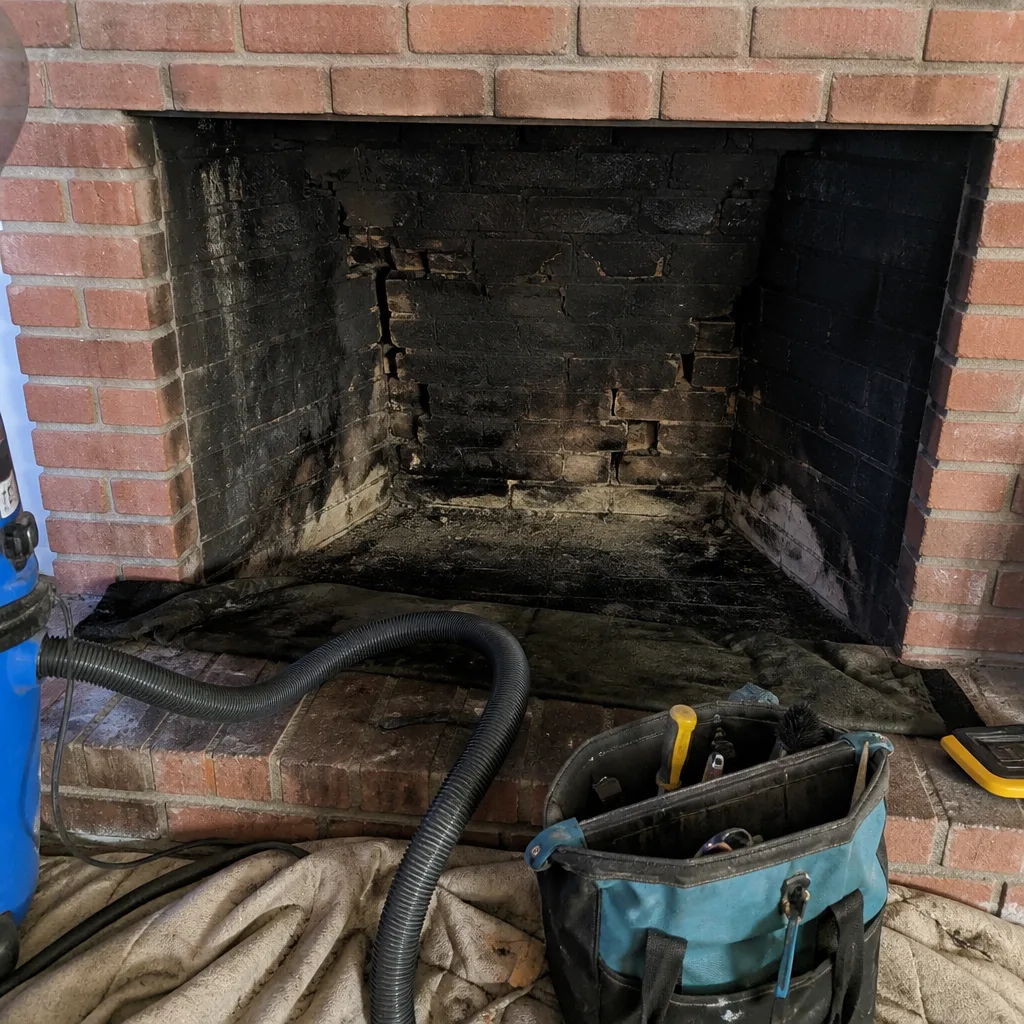 Before
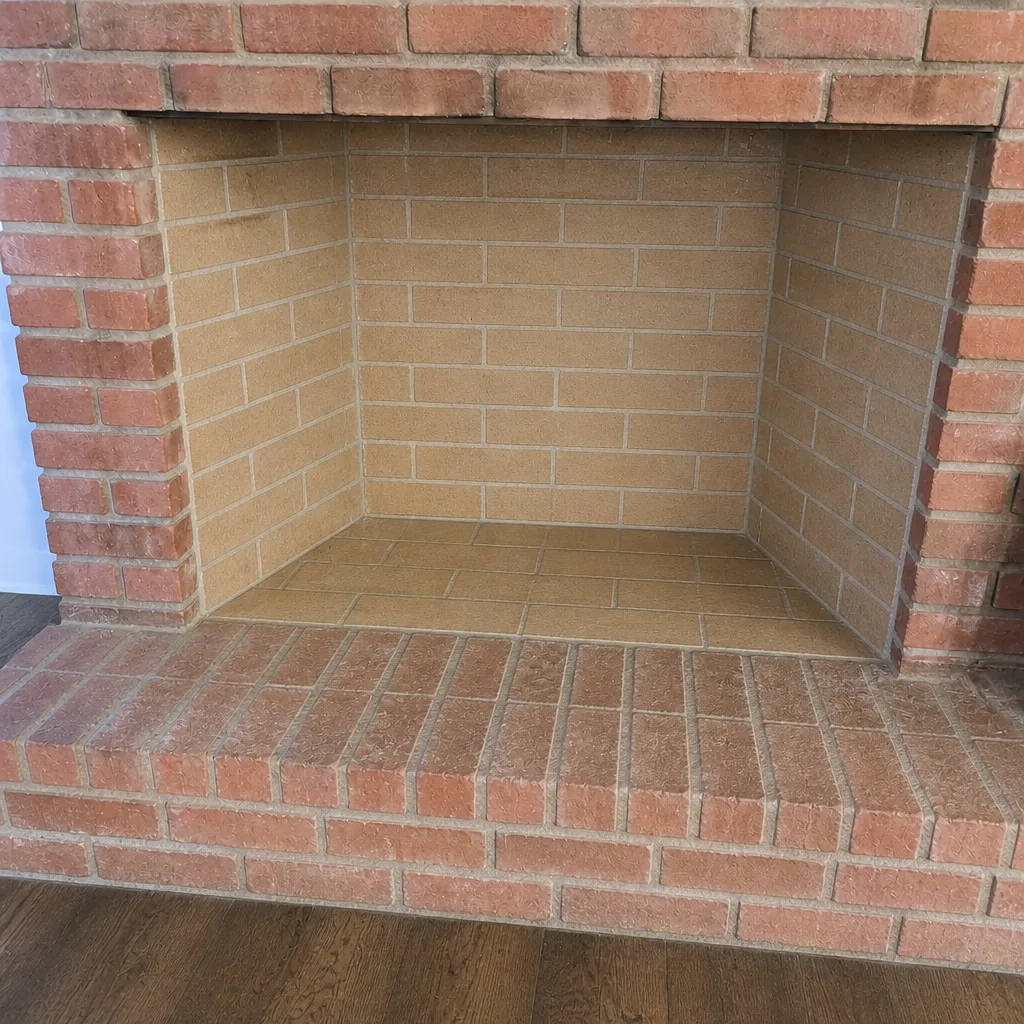 After
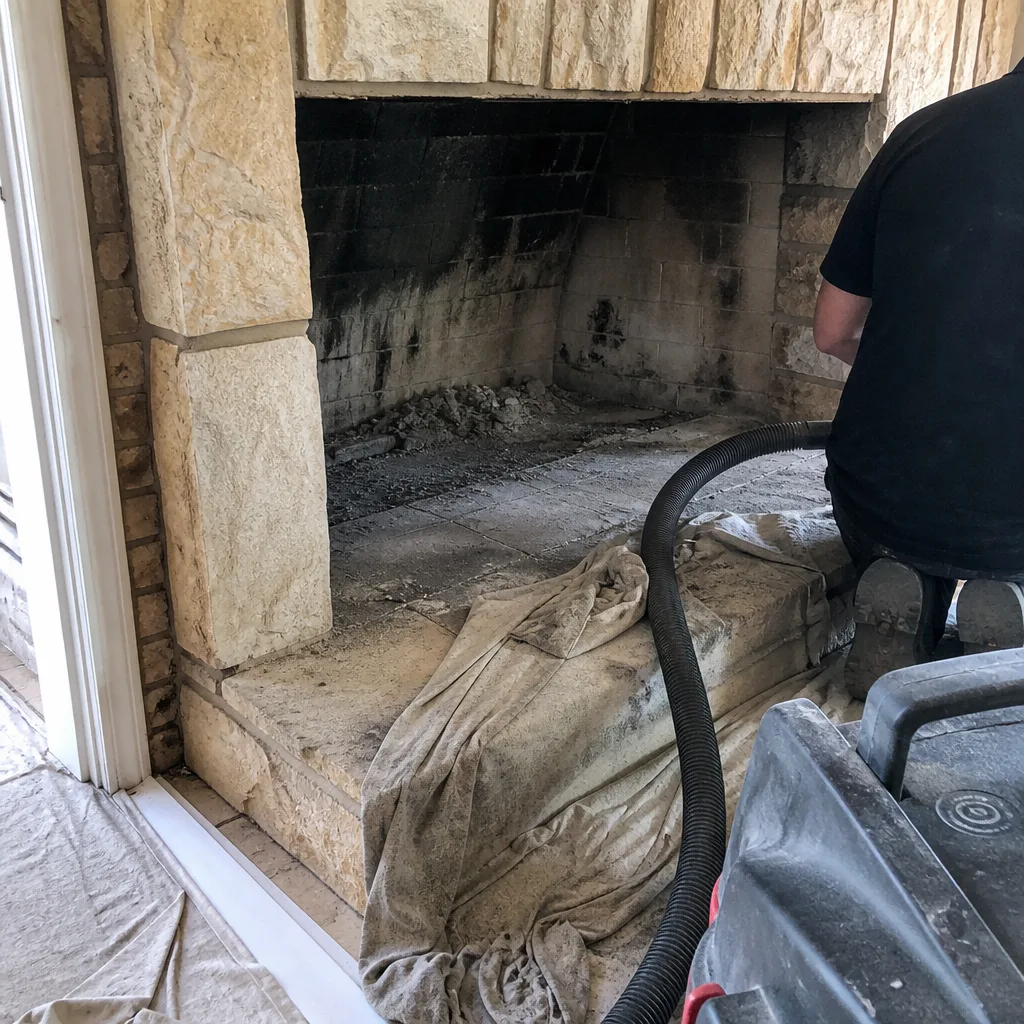 Before
 After
 Before
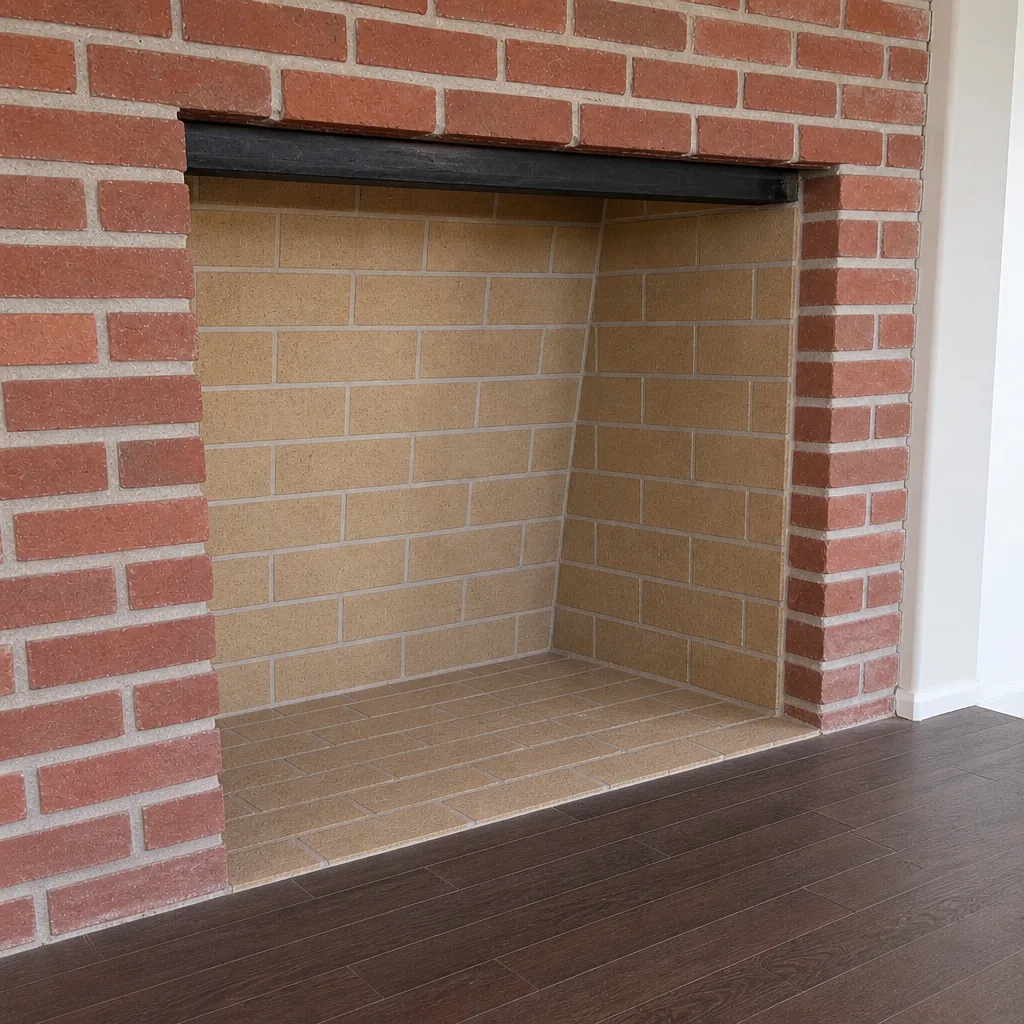 After