
Last updated November 25, 2026
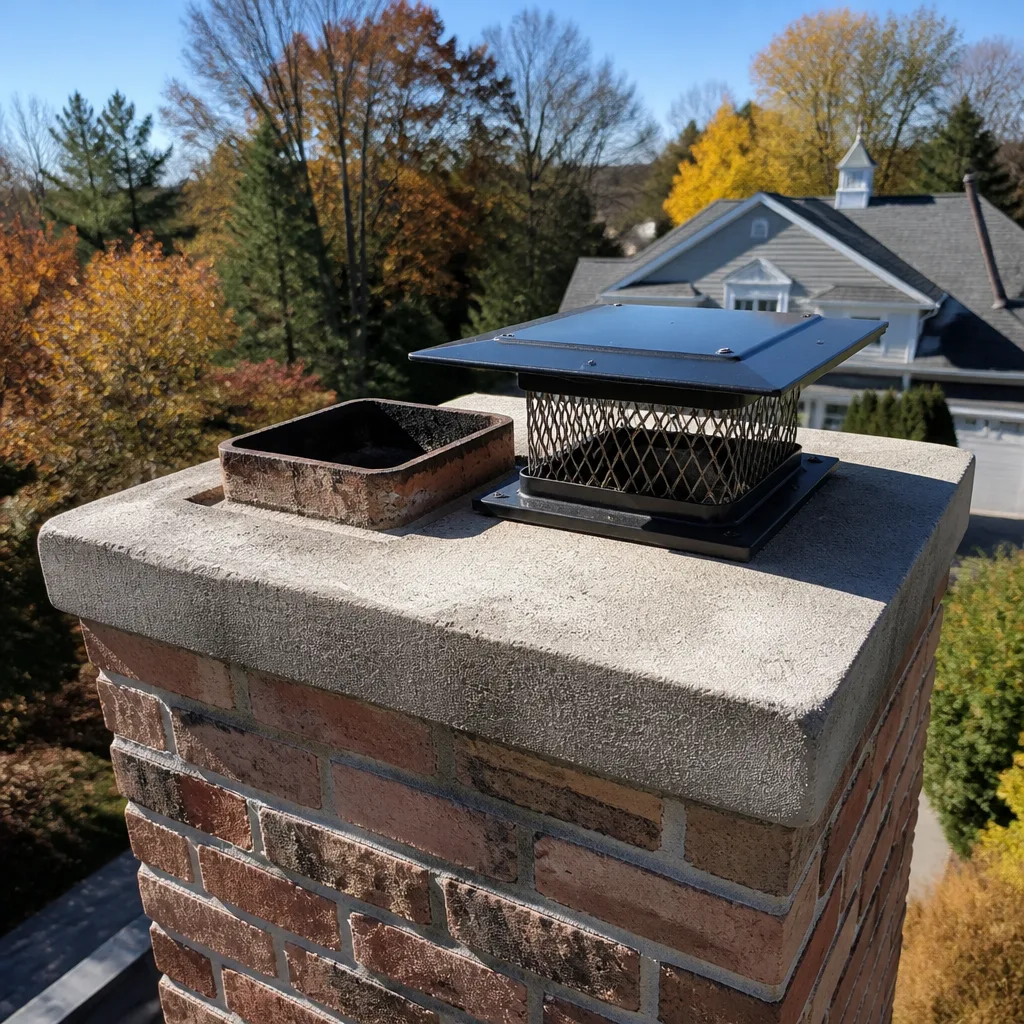 Sweep & inspection
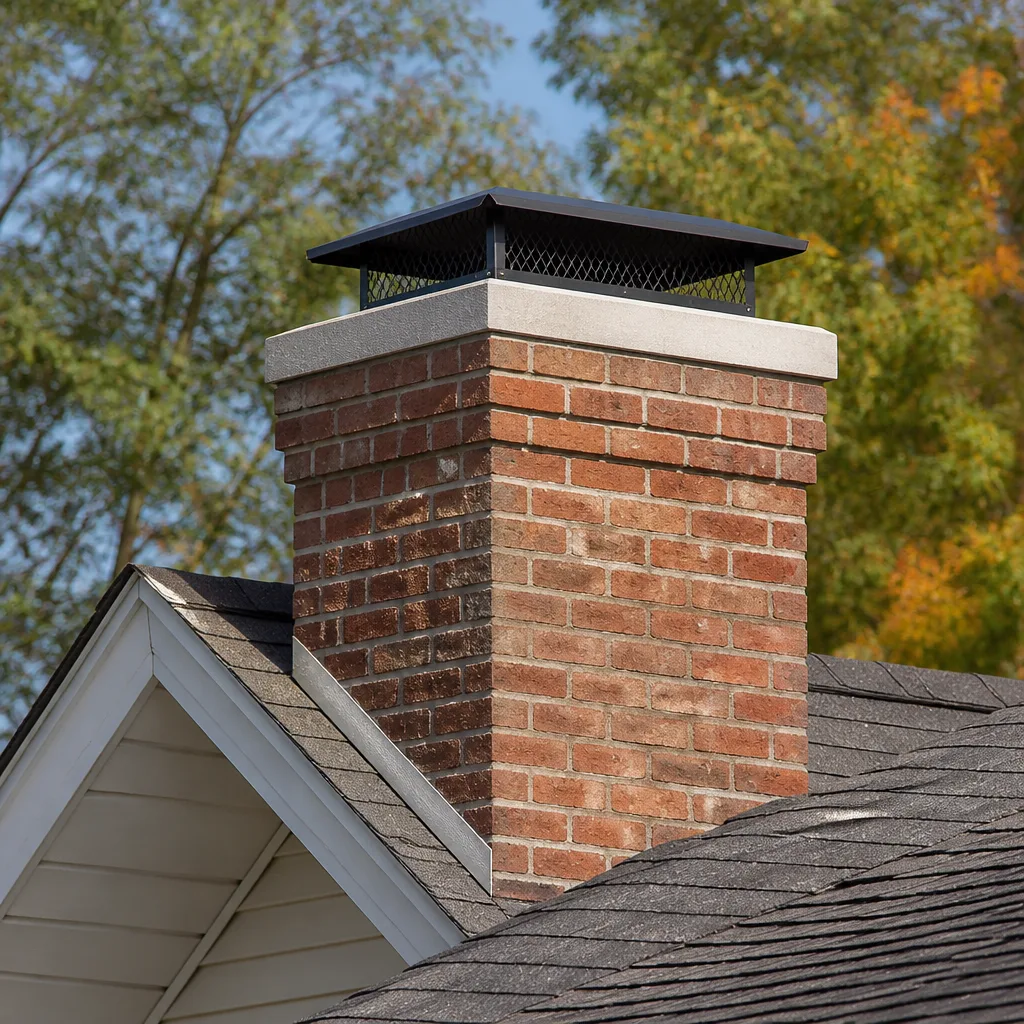 Caps & crowns
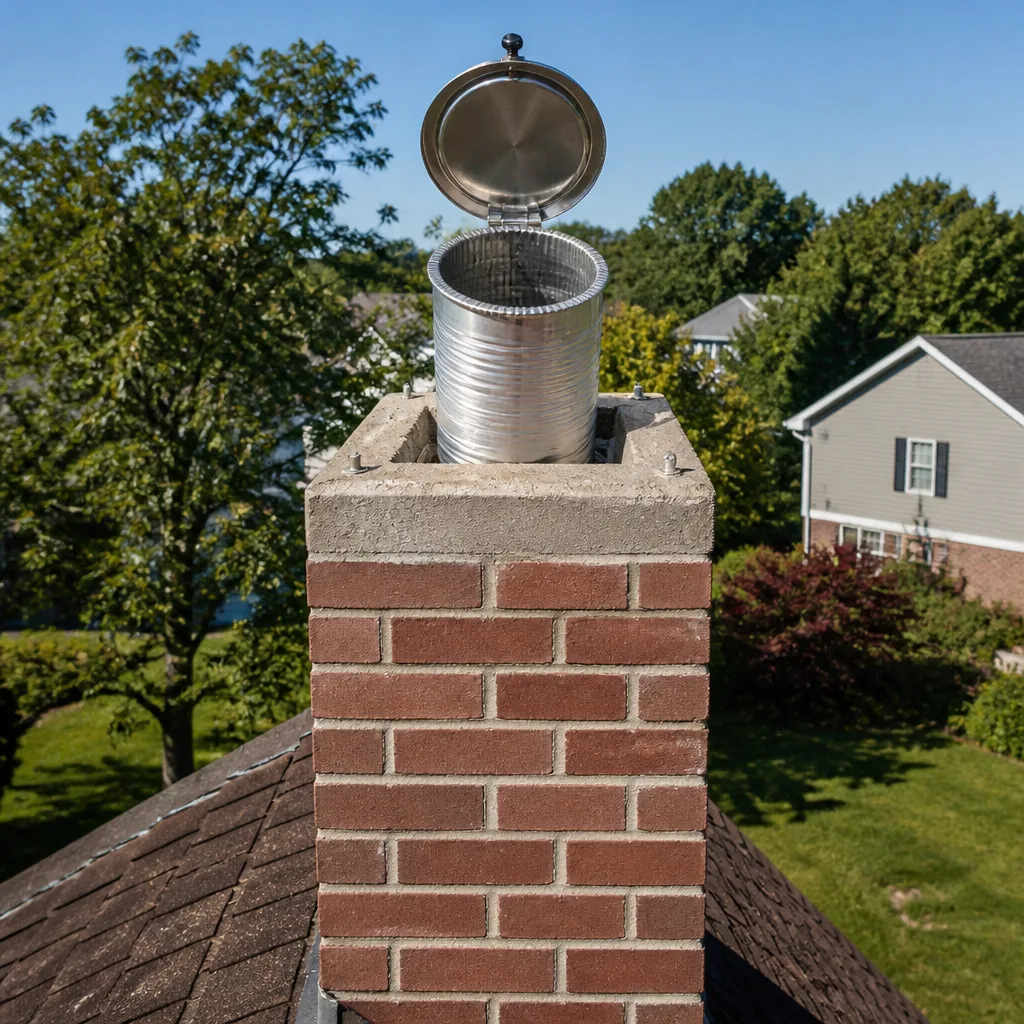 Flue relining
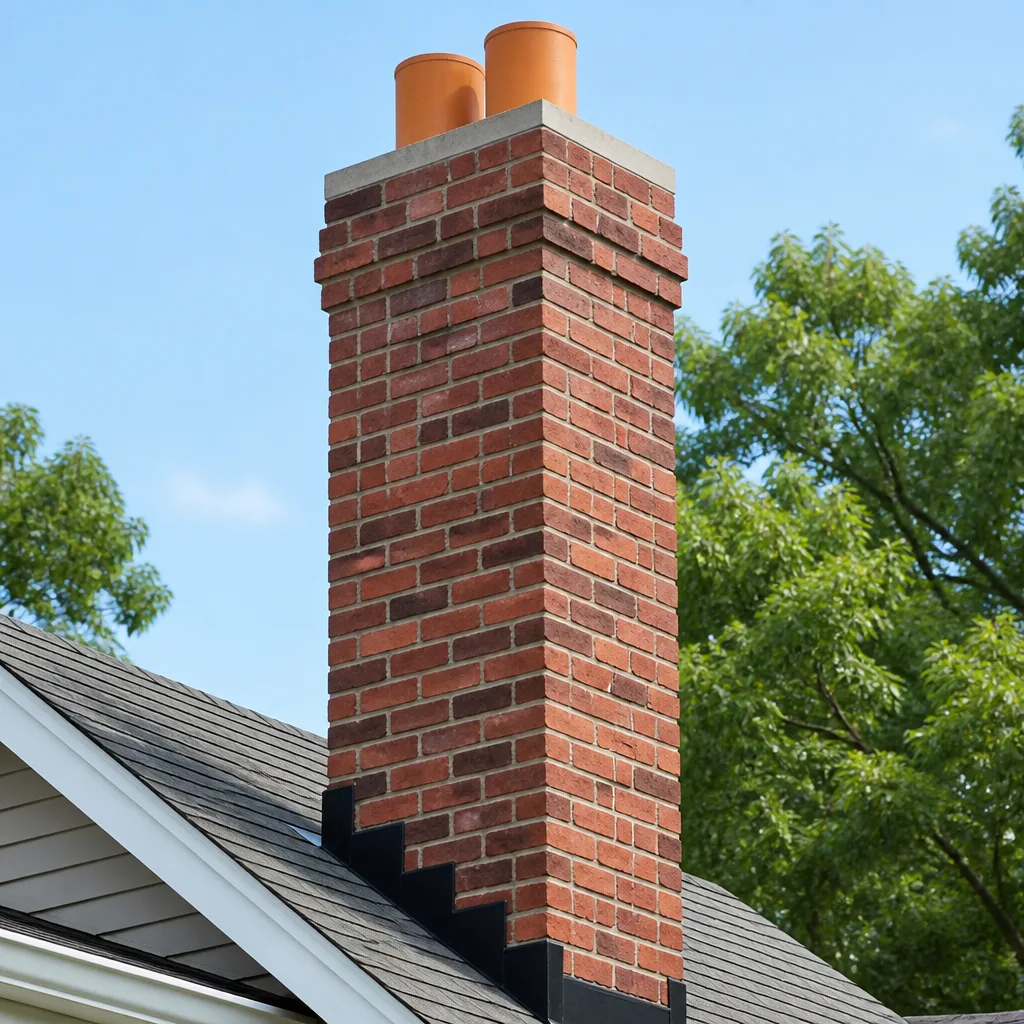 Masonry repair
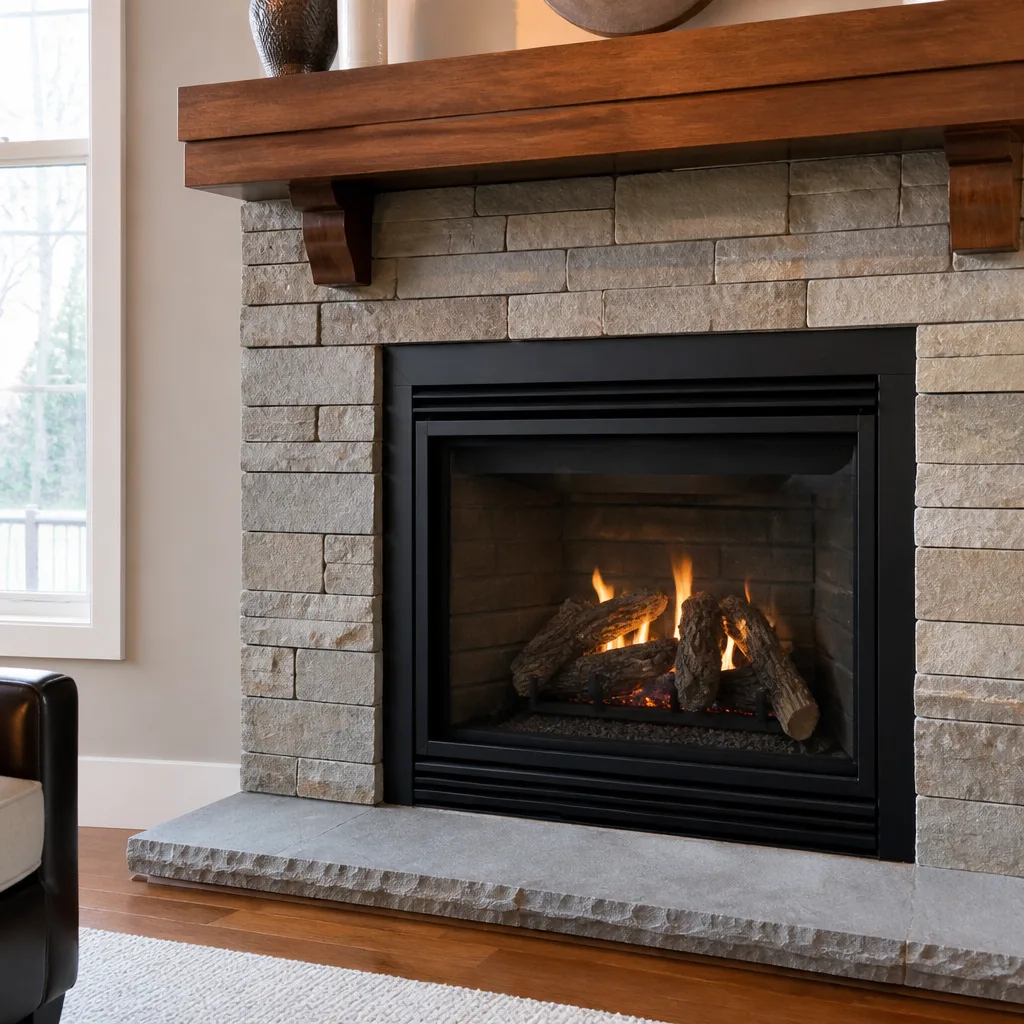 Gas fireplace service
Level 1 sweep and inspection to the NFPA 211 annual standard - flue, crown, cap, and flashing checked and photographed
Chimney sweep logs do not sweep chimneys. They loosen some creosote - which then falls where a brush and vacuum still have to collect it.
The Complete Guide to Chimney Cleaning in Mission Viejo
Most Mission Viejo homeowners use their fireplace fewer than fifteen nights a year. That’s a reasonable guess for our corner of South Orange County, where a chilly evening is a novelty and the fireplace is often a design feature more than a heat source. You’d expect a lightly used chimney to stay clean. The opposite is closer to the truth. A chimney that sits dormant for ten or eleven months a year collects things an actively burning flue stays warm enough to shed: moisture from the marine layer, nesting material, and slow mortar decay that nobody’s fire ever burns off. This guide is about what a Mission Viejo chimney actually faces and what a proper clean and inspection should cover.
Quick Answer
Chimney cleaning in Mission Viejo means sweeping soot and creosote from the flue and, just as importantly, inspecting the full system from firebox to crown for the problems that come from low use, dry heat, and damp overnight air. Most homes here should be swept and inspected once a year before burning season, even if the fireplace gets little use. A cleaning-only crew addresses the flue; a full-system service also catches the animal nesting, crown cracking, and mortar spalling that a dormant chimney hides.
Styles & brands we work with
- Sweep & inspection
- Caps & crowns
- Flue relining
- Masonry repair
- Gas fireplace service
Table of Contents
- Why Low-Use Chimneys in Mission Viejo Deteriorate Faster in Some Ways
- The Five Components of a Mission Viejo Chimney System
- How Marine Layer and the 73 Corridor Affect Your Crown and Cap
- Why Camera Inspection Isn’t Optional for a Dormant Chimney
- CSIA-Standard Cleaning vs. Full-System Diagnostic Service
- What a Proper Cleaning Visit Looks Like Step by Step
- Signs Your Mission Viejo Chimney Needs Attention Now
- What Drives the Cost of Chimney Cleaning in Mission Viejo
Why Low-Use Chimneys in Mission Viejo Deteriorate Faster in Some Ways
In a cold-climate town, the chimney runs hot for months. Constant fire dries the flue, keeps animals out, and moves enough air that moisture gets carried up and away. A Mission Viejo chimney works the other way around. It sits cold and quiet most of the year, and the stresses that build during that idle time are the ones cold-climate cleaning guides never mention. Here’s what a low-use chimney here actually deals with.
- Moisture intrusion without the drying fire. Cool nights draw damp air into a cold flue. Without regular burns to dry it, that moisture works into masonry joints and slowly weakens the mortar.
- Animal nesting. An unused flue is an open cavity with a warm, sheltered top. Birds, squirrels, and other small animals treat a quiet chimney as a den, and their nesting material and droppings add both a blockage and a fire load.
- Mortar spalling and crumbling. Repeated wet-then-dry cycles break down the surface of brick and mortar. The result is spalling, where the face of the masonry flakes away and the joints loosen.
- Creosote that never gets touched. Even the few fires a season generates leave a thin glaze in the flue. In a chimney that’s never hot for long, that glaze just sits and builds.
A high-use chimney in a snowy place gets swept because the owner sees the buildup. A Mission Viejo chimney often goes years without anyone looking inside. That’s the pattern that turns small, cheap problems into big ones.
The Five Components of a Mission Viejo Chimney System
A chimney isn’t one thing. It’s a stack of parts that each do a job, and each one takes a beating in the local climate in its own way. During a proper cleaning visit we look at all five. Here’s what each part does and what it needs.
- Firebox and damper. The firebox holds the fire; the damper seals the flue shut when the fireplace isn’t in use. In a lightly used Mission Viejo fireplace, a damper that doesn’t close fully lets damp air into the house all year. Inspecting the damper for a clean seal matters as much here as checking for cracks.
- Smoke chamber. This is the tapered area just above the firebox that funnels smoke into the flue. Soot collects on its walls, and cracks here can let smoke and carbon monoxide drift into the room instead of up the flue.
- Flue and liner. The flue carries smoke and gases to the top. Its liner protects the surrounding structure. The liner is where creosote settles and where cracks from heat and moisture show up first. If the liner is compromised, we’ll talk about relining; a DuraFlex liner and HeatShield resurfacing are the two professional-grade paths we work with.
- Crown. The crown is the sloped concrete cap at the very top that sheds water away from the flue. A cracked crown is the most overlooked cause of slow water damage in inland Southern California chimneys.
- Chimney cap and spark arrestor. The cap sits over the flue opening to keep out rain, animals, and debris while letting smoke escape. A cap in poor shape does nothing for the flue below it, which is why we inspect it every visit.
Your chimney system runs from firebox to crown, and we service all of it. A cleaning-only crew usually stops at the flue, which is the part that’s easiest to reach. The problems that cost money live at the ends: the firebox you can see and the crown you can’t.
How Marine Layer and the 73 Corridor Affect Your Crown and Cap
Mission Viejo sits inland enough that people don’t think of it as coastal, but the marine layer still moves through on many summer nights, sliding up over the hills and toward the 73 corridor before it burns off. That overnight damp matters to the top of your chimney, even miles inland. The crown and cap are the most exposed parts of the whole system, and they take the brunt of it.
Here’s what that damp night air does over time. The crown is a slab of concrete or masonry, and when it holds moisture and then dries in the afternoon sun, it expands and contracts. Small cracks open up. Once water gets behind the crown, it finds its way into the flue and the framing around it. The cap faces the same wet-dry cycle but on thinner metal or masonry, so corrosion and rust show up there first. A cap that’s rusted through or a crown that’s cracked no longer protects the flue, no matter how clean the inside is.
This is the top-of-system vulnerability most homeowners overlook until it’s expensive. It’s also the simplest thing to prevent. A properly seated cap and a sound crown keep water out of the whole system, which means the flue, liner, and smoke chamber below stay dry and stable. We install caps and crowns using Gelco and Famco components rated for long-term weather resistance, and we check both every time we’re on the roof. Built to last the season, and the ones after it.
Why Camera Inspection Isn’t Optional for a Dormant Chimney
If your chimney burns a few nights a year, it spends over ten months dormant. That’s ten months for a cracked liner tile, an animal nest, or a loose mortar joint to develop where nobody can see it. A flashlight pointed up the flue from the firebox tells you very little past the first few feet, and a chimney cleaning that stops there can miss the exact problem that makes the next fire dangerous. That’s why we don’t treat camera inspection as an upsell. It’s how we find out what’s actually inside the flue.
A camera inspection runs a video scope up the length of the flue so we can see the interior walls, joints, and liner all the way to the top. On a dormant chimney, that footage answers the questions that matter:
- Is the liner intact, or are there cracks, gaps, or missing sections?
- Is there a nest, a blockage, or a debris pile restricting the flue?
- Is creosote building in a glazed form that needs more than a standard sweep?
- Are the flue joints tight, or is moisture already working them loose?
We document what we find before recommending any repair. That means a photo or video report you can look at yourself, not a verbal estimate over the phone. If a sweep is all your chimney needs, that’s what we tell you. If the camera shows a problem, you’ll see the same evidence we do. A swept chimney and a safe chimney aren’t always the same thing, and inspection tells you which you have.
CSIA-Standard Cleaning vs. Full-System Diagnostic Service
The industry standard for chimney sweeping is a clean flue, done to recognized safety practice. That’s a real service and it matters. But a cleaning-only crew and a full-system service answer two different questions. A cleaning-only job answers “is the flue clear?” A full-system diagnostic answers “is the whole chimney safe?” In a Mission Viejo home, that second question is the one that catches the expensive problems.
Here’s the difference in practice. A cleaning-only crew sweeps the flue and leaves. What they miss, or at least don’t formally check, is the crown, the cap, the mortar joints, the smoke chamber, the damper seal, and the liner condition past the reach of a brush. Those are exactly the parts a low-use, damp-night chimney punishes. A full-system service combines the standard sweep with a documented inspection of every component, then tells you plainly what needs attention and what can wait.
The other thing full-system service gives you is single-source accountability. The same company that inspects also repairs, with no outsourcing handoffs. If the camera finds a bad crown or a failing liner, we’re already the ones on the roof who can fix it. HeatShield-qualified resurfacing and relining are part of what we offer, which means a specialty repair most sweep-only competitors can’t do and have to sub out. You don’t get handed off between a sweeper and a repair contractor who never saw the inspection.
What a Proper Cleaning Visit Looks Like Step by Step
A full-system cleaning visit is more than running a brush up the flue. Here’s the sequence, and what each step is for.
- Protect the room. We lay drop cloths around the hearth and set up dust control so the living space stays clean while we work.
- Inspect the firebox and damper first. Before any sweeping, we check the damper seal and the firebox for cracks, so we know what we’re working around.
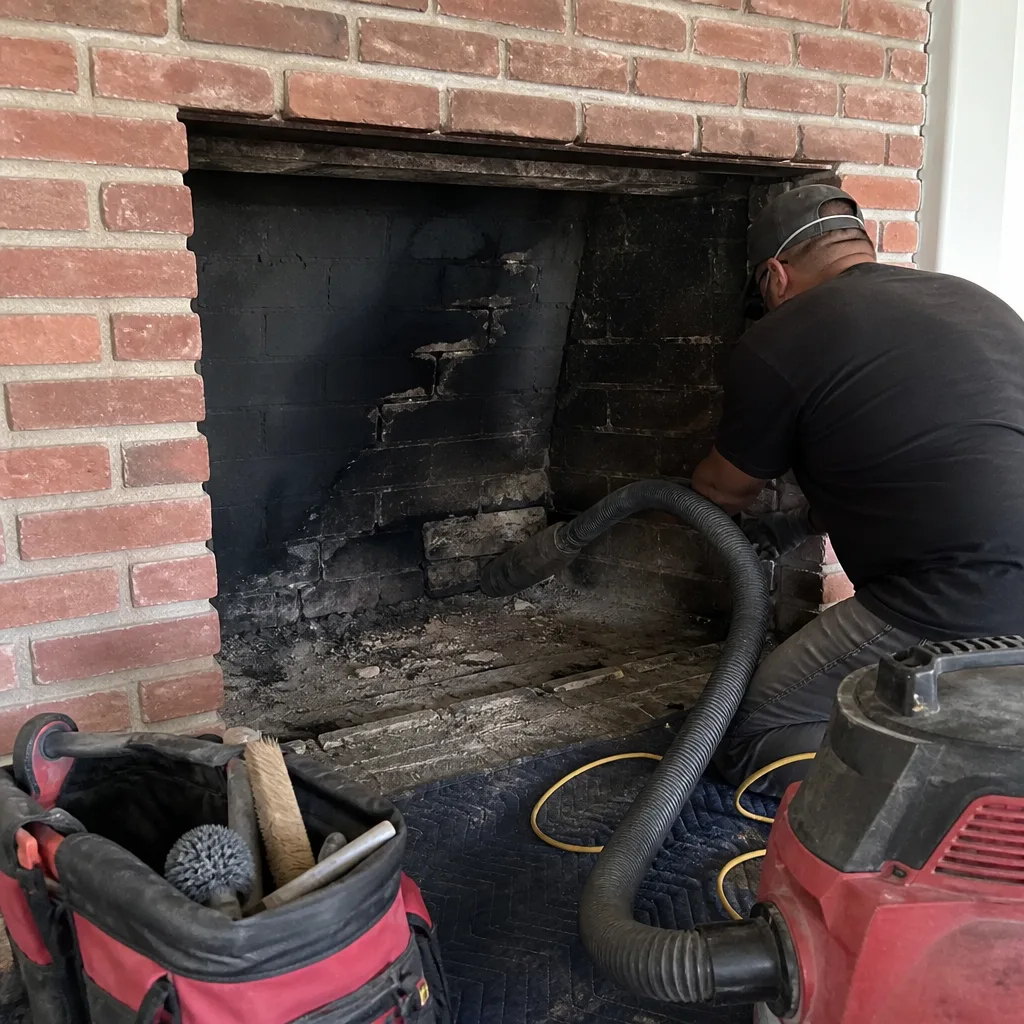
- Sweep the flue. We brush the full length of the flue and remove soot and creosote buildup, along with any nest or debris we found near the top.
- Run the camera. A video scope goes up the flue to confirm it’s clear and to inspect the liner, joints, and smoke chamber, with the findings recorded for you.
- Check the top of the system. Up on the roof, we examine the crown and cap for cracks, rust, and seating, since that’s where water damage starts.
- Document and report. We walk you through what we found and give you a written report, with recommendations only where the evidence supports them.
The whole visit usually happens once a year, ideally before burning season, so the chimney is clean and inspected before the first fire of the year. If you want a focused look without a full clean, inspection is offered as a standalone service, which keeps the process diagnosis-first. If you’re ready to book the standard clean, our chimney sweep service covers the flue and the full-system check together.
Signs Your Mission Viejo Chimney Needs Attention Now
Because local chimneys sit quiet for so long, problems often give no warning until they’re well along. These are the signs worth acting on right away rather than waiting for your next annual visit.
- A smoky smell in the house on warm days. Damp air moving down a cold flue can push soot and old smoke odor back into the room, a common sign of a flue that needs a clean and a check.
- Water stains or rust around the firebox or on the cap. This points straight at a crown or cap failure letting water into the system.
- Animal sounds or debris in the flue. A quiet chimney is a nesting site. If you hear scratching or see nesting material, the flue needs a look.
- Loose mortar or flaking brick around the chimney exterior. Spalling and crumbling joints mean moisture is already working the masonry.
- A damper that won’t close tight. A poor seal lets damp air and pests into the flue all year.
- Smoke rolling back into the room when you do burn. A restriction, a cracked smoke chamber, or a bad liner can cause this, and it’s a safety issue, not a nuisance.
One thing to keep front of mind: a chimney fire and carbon monoxide are the two serious risks a neglected flue carries. A blocked or damaged flue can send carbon monoxide into the living space, and a creosote-glazed flue can ignite. Both are the reason we don’t recommend skipping the annual check, even on a lightly used fireplace. If a crack in a firebox, a damaged liner, or a major masonry repair turns up, that’s chimney repair territory, and we handle it under the same roof.
What Drives the Cost of Chimney Cleaning in Mission Viejo
We price per job by written estimate, so the estimate sets the final price. What moves it up or down is the condition of your system, not a flat fee. A lightly used chimney with a clear flue and a sound crown is a simpler job than one with a nest, heavy creosote, or a failed cap that needs replacing. The components below are the ones that most often affect the estimate.
| What it covers | What affects the estimate |
|---|---|
| Standard flue sweep | Length of flue, amount of creosote, and whether a nest or debris must be removed |
| Camera inspection | Whether it’s paired with a sweep or booked as a standalone diagnostic |
| Crown repair or rebuild | Size of the crown, extent of cracking, and access |
| Cap and spark arrestor | Flue dimensions and the cap style chosen |
| Liner resurfacing or relining | Condition found on camera, and whether HeatShield resurfacing or a new DuraFlex liner is the right path |
We don’t quote a hard number sight unseen. A written estimate based on what we actually find is the only honest way to price a chimney, and it protects you from being sold work the system doesn’t need. If your fireplace needs a fix beyond the flue, our fireplace repair service covers the firebox side, and a full survey starts with Mission Viejo Chimney Sweep Pros. Estimates are free, so there’s no reason to guess.
Common Mistakes to Avoid
- Skipping the annual check because you barely burn. Low use is exactly the pattern that lets moisture, nesting, and mortar decay go unnoticed. The idle months do the damage, not the fires.
- Hiring a cleaning-only crew and calling it done. A clean flue says nothing about the crown, cap, or liner. Those are the parts a dormant Mission Viejo chimney damages first.
- Ignoring a cracked crown until water shows up inside. A crown crack is cheap to address early and expensive once water reaches the flue and framing. Have it checked every visit.
- Accepting a repair estimate with no photo or video evidence. You shouldn’t have to take a diagnosis on faith. Ask to see the camera footage before any repair is approved.
- Assuming a coastal label doesn’t apply inland. The marine layer still reaches Mission Viejo overnight, and the crown and cap feel it even when the daytime air is dry.
- Letting a dormant flue sit open to animals. A proper cap keeps nesting material and droppings out of the flue. Without one, an unused chimney becomes a den.
- Burning without a smoke chamber check. A cracked smoke chamber can let smoke and carbon monoxide into the room. It’s worth confirming before the first fire of the season.
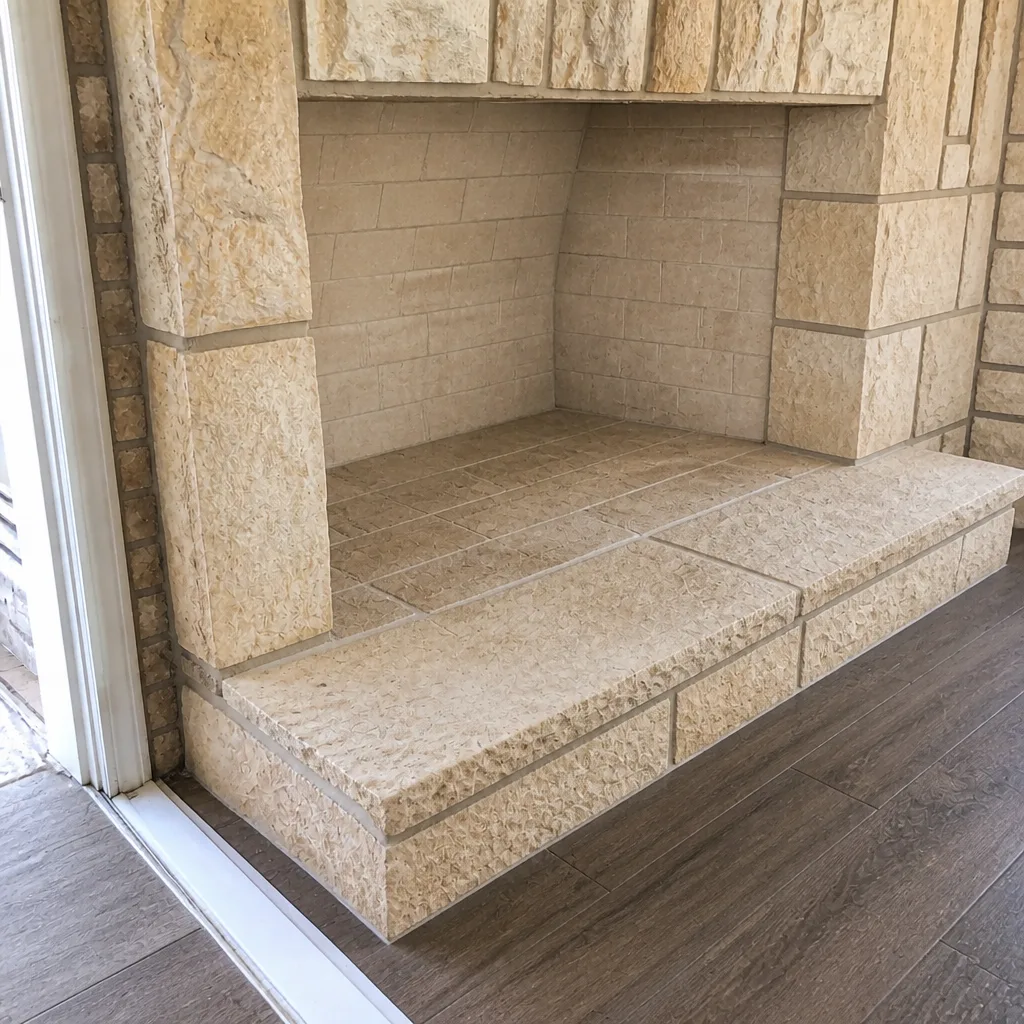
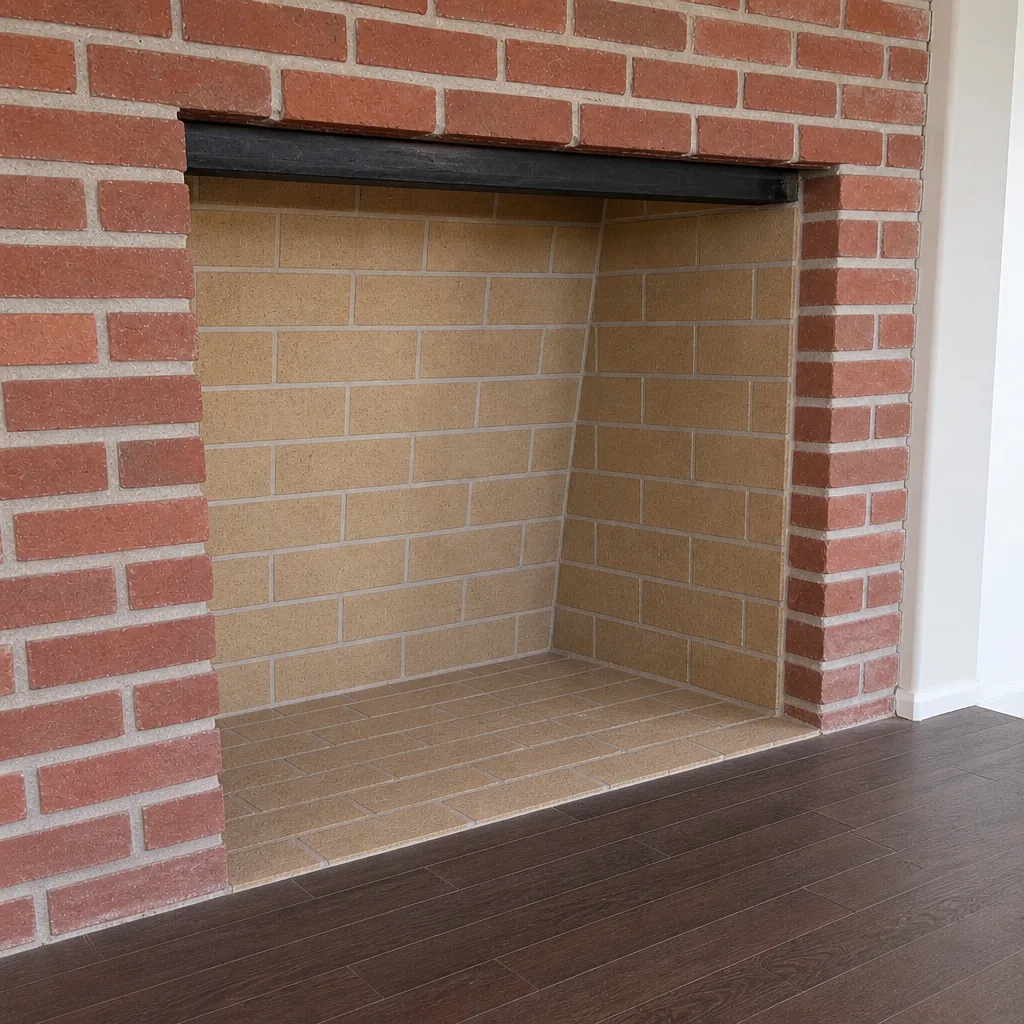
See the difference
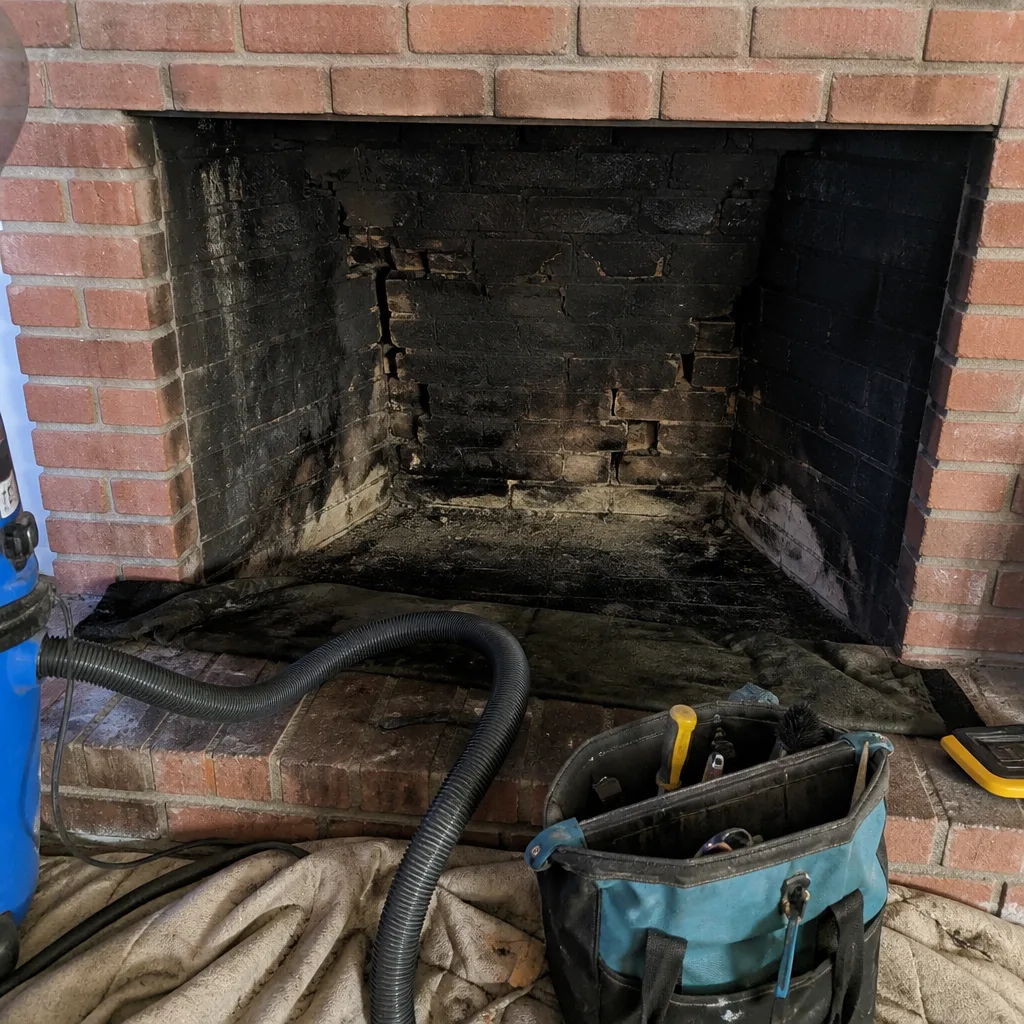 Before
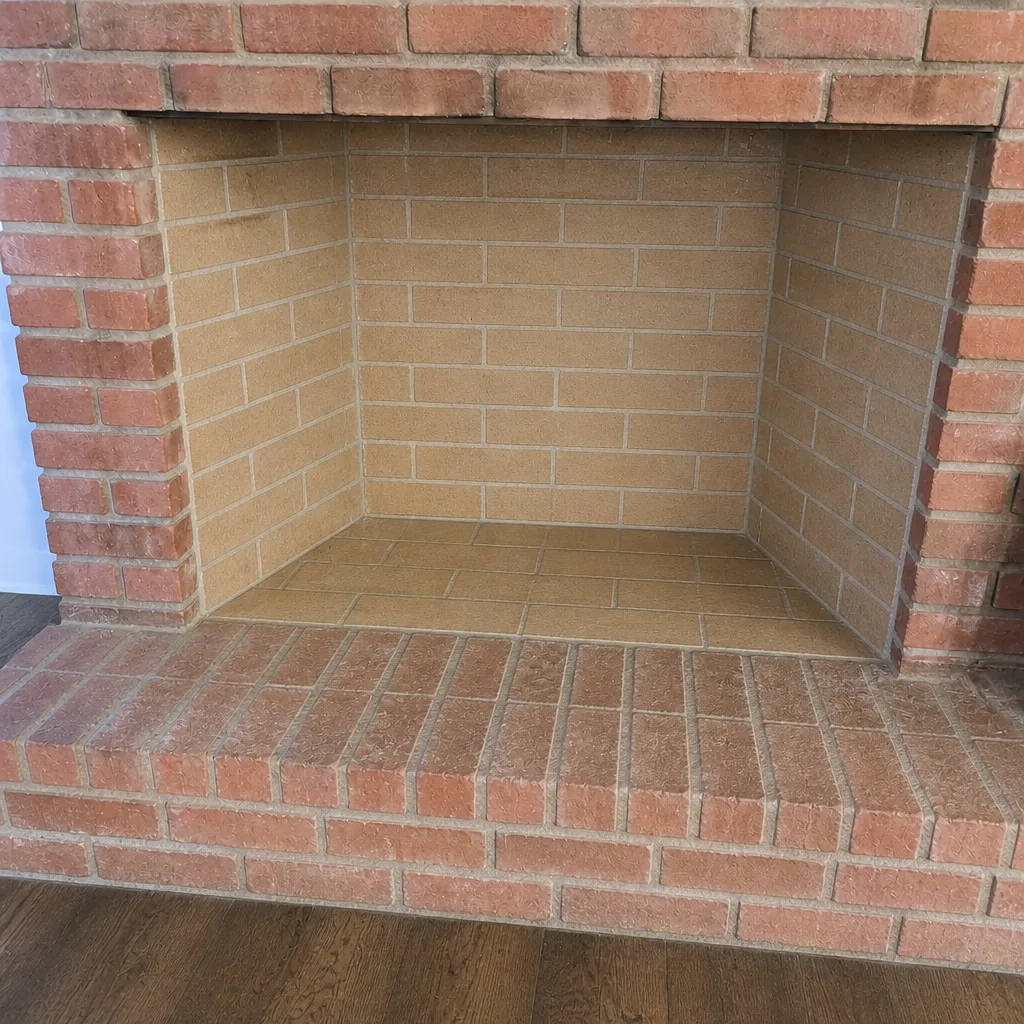 After
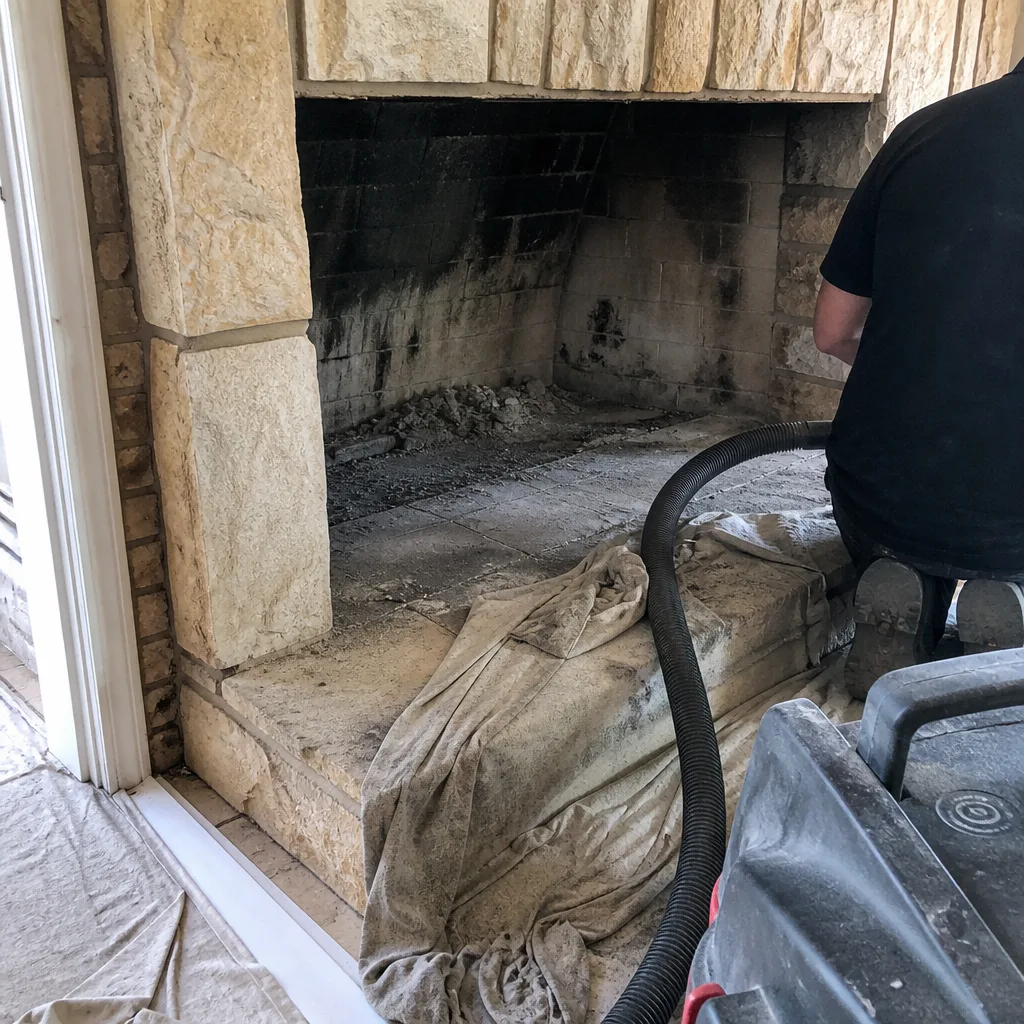 Before
 After
 Before
 After
When to Call a Professional
Some chimney work is a clear case for a trained professional. If you smell smoke or soot in the house on warm days, hear animals in the flue, see water stains or rust around the firebox, or catch smoke rolling back into the room when you burn, call rather than wait for your next annual visit. Any sign of a cracked firebox, a damaged liner, or loose masonry is a call-a-pro situation: those involve the parts of the system that carry fire and gases, and they shouldn’t be handled by a homeowner. Even without warning signs, a chimney that hasn’t been inspected in over a year is due for a look, because a dormant flue hides problems well. Mission Viejo Chimney Sweep Pros offers free estimates in Mission Viejo. Call (844) 443-3825. We answer 24/7. Fast dispatch from 7am to 7pm, Sunday through Friday.
Frequently Asked Questions
Once a year is the right rhythm for most Mission Viejo homes, even ones that burn only a few nights a season. Yearly cleaning and inspection catch the moisture, nesting, and mortar problems that a dormant flue develops between fires. If you burn more heavily or notice any warning signs, don’t wait the full year. Call (844) 443-3825 for a free estimate.
Yes, and a lightly used fireplace is often the stronger reason to get one. A chimney that sits dormant ten or more months a year can develop a cracked liner or an animal nest out of sight, and a flashlight can’t reach far enough to show it. The camera confirms what’s really inside the flue. Call (844) 443-3825 to book an inspection. Estimates are free.
Skipping it lets creosote build, moisture work into the masonry, and animals take up residence, all out of sight. The two serious risks are a chimney fire from a glazed flue and carbon monoxide backing into the home from a blocked or damaged flue. Neither gives much warning. A yearly clean and inspection is the simple way to rule both out. Call (844) 443-3825 for an exact quote.
A smoky smell on a warm day usually means damp air is moving down a cold flue and pushing old soot and smoke odor into the room. It’s common in lightly used chimneys and often a sign the flue needs a clean and a check of the damper and cap. It’s worth a look before it points to something bigger. Call (844) 443-3825 to schedule an inspection.
It can. Overnight marine air reaches Mission Viejo and the 73 corridor on many summer nights, and the crown and cap at the top of the system feel it most. Repeated damp-then-dry cycles crack crowns and corrode caps, which lets water into the flue below. Checking both every visit is how you stay ahead of it. Call (844) 443-3825 for a free estimate.
With us, yes. The same company that inspects also repairs, so there’s no handoff between a sweeper and a repair contractor who never saw the findings. We handle the sweep, the documented inspection, and any crown, cap, liner, or masonry repair that follows. Call (844) 443-3825 to start with a free estimate.
The Bottom Line
Chimney cleaning in Mission Viejo is less about heavy soot and more about the slow damage that comes from a chimney that mostly sits idle. Damp overnight air, animal nesting, and mortar decay build up during those ten quiet months, and a cleaning-only job won’t catch any of it. The approach that actually protects your home is a full-system clean and a documented camera inspection, from firebox to crown, done by the same people who can fix what they find. Do it once a year, before burning season, and have any warning sign checked promptly. That’s how a Mission Viejo chimney stays safe and keeps the value in your home.
Ready to get your chimney looked at properly? Call Mission Viejo Chimney Sweep Pros at (844) 443-3825 for a free estimate. We answer 24/7. Fast dispatch from 7am to 7pm, Sunday through Friday. Estimates are free, and the written estimate sets the final price.
Written by the team at Mission Viejo Chimney Sweep Pros.